
Range by David Epstein
Why generalists triumph in a specialized world
Reading time
7-9 hours
Listen with speakeasy
20-35 minutes with speakeasy summary
Summary
Range challenges the conventional wisdom — popularized by books like Outliers and the story of Tiger Woods — that early specialization and 10,000 hours of deliberate practice are the paths to excellence. David Epstein argues that in most domains of human endeavor, the opposite is true: breadth of experience, late specialization, and diverse sampling periods produce more creative, adaptable, and ultimately successful practitioners. Drawing on research across music, sport, science, chess, and business, Epstein distinguishes between kind learning environments (where feedback is clear and rules don't change, like golf or chess) and wicked learning environments (where rules are unclear, feedback is delayed, and patterns are hard to identify). He shows that in wicked environments — which describes most of real life — generalists with diverse experience outperform early specialists because they can draw analogies across domains, transfer abstract principles, and question their own assumptions. Range profiles scientists who made breakthrough discoveries by importing ideas from other fields, athletes who played multiple sports before specializing late, and executives whose diverse career histories made them more effective leaders. The book is a case for the value of exploration before exploitation.
Key takeaways
- Early specialization produces experts in kind learning environments but often underperforms in wicked, real-world problems
- Breadth of experience and a sampling period before specialization improve long-term creative performance
- Generalists transfer abstract principles across domains, enabling them to solve novel problems specialists miss
- The outside view — applying frameworks from other fields — is often more accurate than deep domain expertise alone
- Career pivots and diverse experiences are assets, not liabilities, in complex and rapidly changing environments
Why listen?
Epstein's argument about the value of breadth resonates across education, career planning, and innovation. Listening to essays on speakeasy about learning, expertise, and creativity lets you engage with the rich interdisciplinary literature that Epstein draws on, and with the ongoing debate about how best to develop talent.
About Range
Published in 2019 by David Epstein, Range has become one of the most widely discussed titles in psychology. At 352 pages, it's a substantial work that rewards careful attention — but in today's busy world, finding time to sit down with a 352-page book can feel impossible.
That's where speakeasy comes in. While we can't convert entire copyrighted books to audio (that's what audiobooks are for), we can help you engage with the rich ecosystem of content surrounding Range: reviews, summaries, analysis essays, author interviews, and discussion pieces. These articles — often published on Substack, Medium, and literary blogs — provide valuable context and different perspectives on the book's themes.
Why Range endures
Great books continue to generate conversation long after publication, and Range is no exception. David Epstein's work has inspired countless essays, podcast discussions, and analytical deep-dives that explore its themes from new angles. Whether you've already read the book and want to deepen your understanding, or you're considering whether to pick it up, listening to analysis and reviews is one of the most efficient ways to engage with the ideas.
The psychology genre has seen tremendous growth in online discourse, with writers on Substack and Medium regularly publishing thoughtful takes on books like Range. speakeasy lets you convert these articles to audio and listen during your commute, workout, or evening routine — turning any moment into an opportunity to engage with great literature.
The listening advantage for book lovers
Audio content about books serves a different purpose than the books themselves. While audiobooks give you the full text, article audio gives you context, analysis, and multiple perspectives in a fraction of the time. A 20-minute article about Range can surface insights that might take hours of reading to discover on your own.
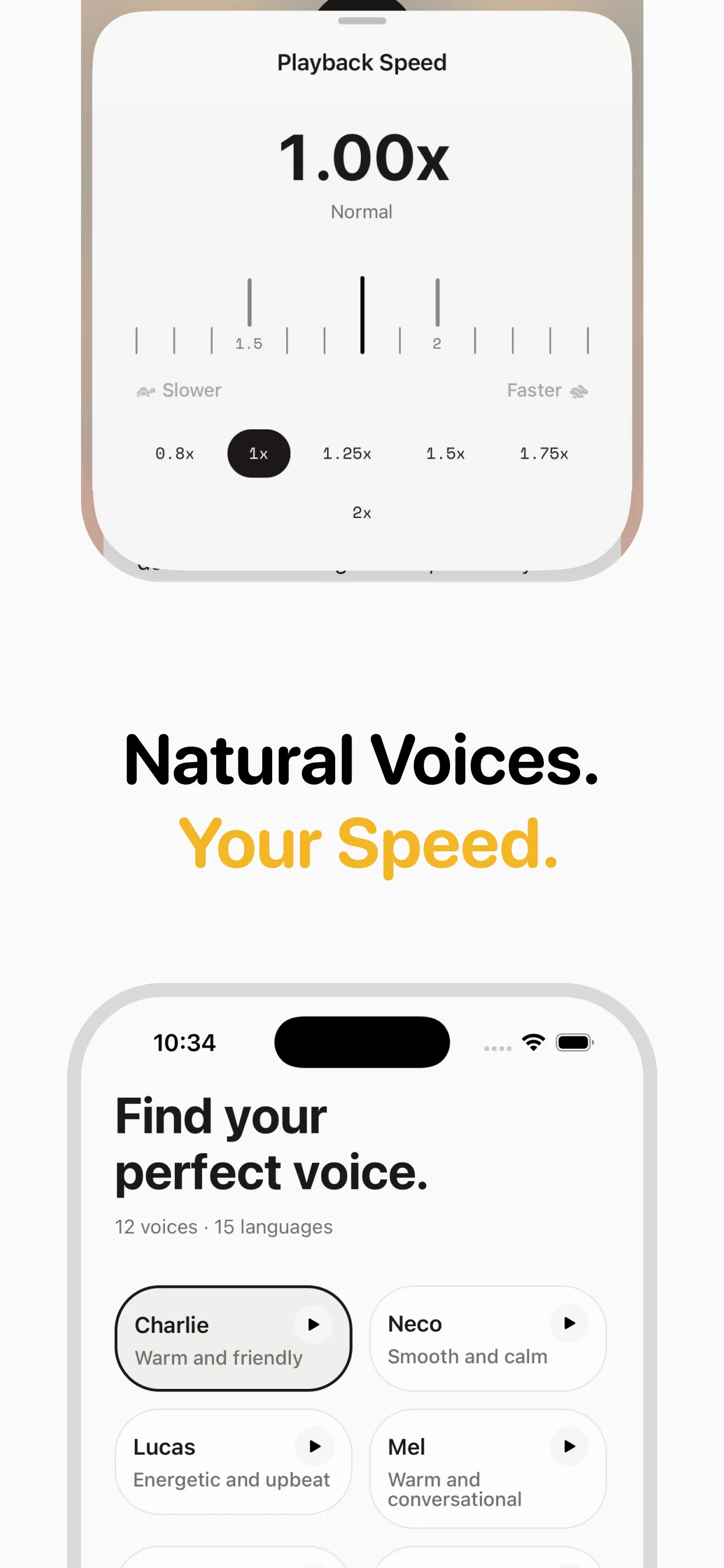
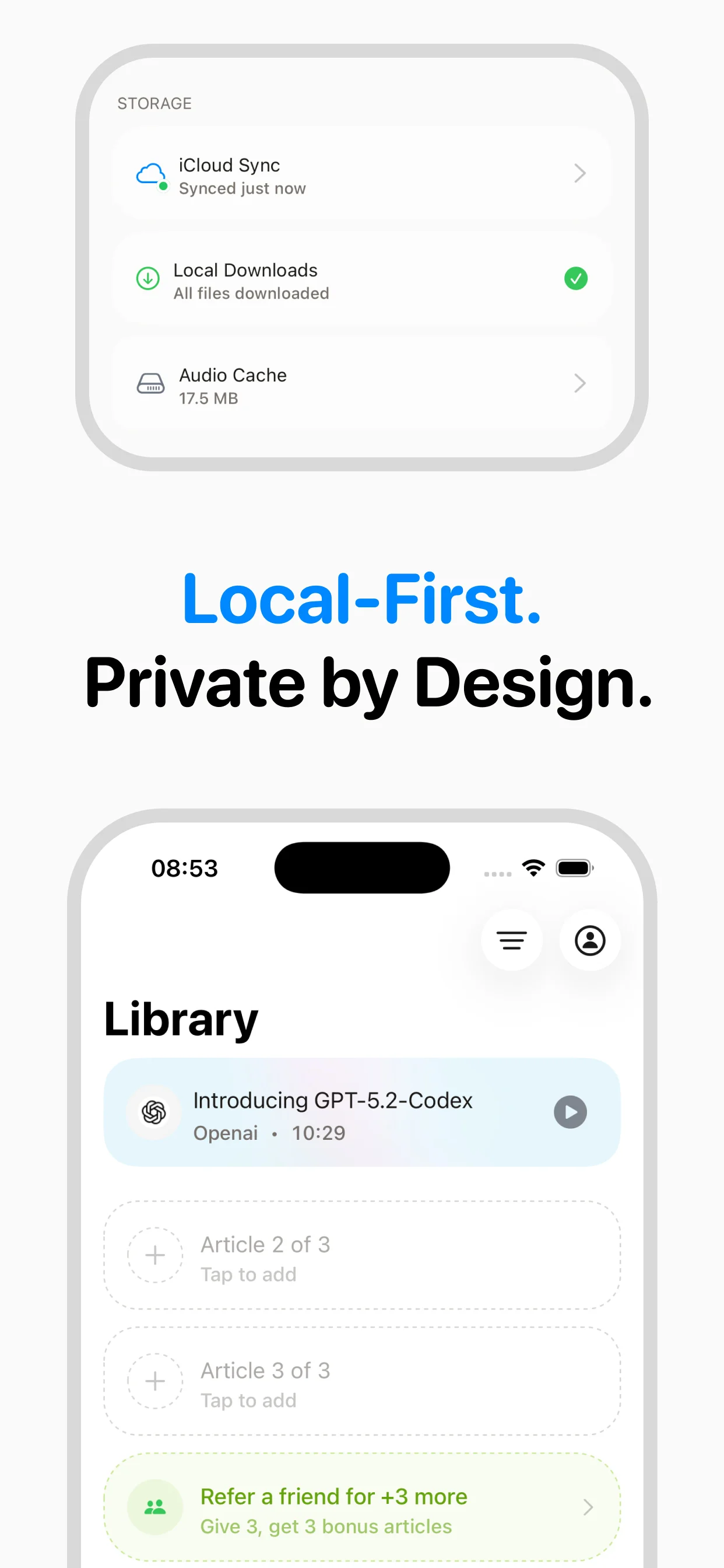
speakeasy's natural AI voices make these articles feel like listening to a knowledgeable friend discuss the book with you. Adjust the playback speed to match your preference — 1.0x for relaxed listening, 1.3x for efficient consumption — and build a personal library of the best literary analysis the web has to offer. Your collection syncs across iPhone and Mac through iCloud, so your reading list is always at your fingertips.
Exploring David Epstein's wider work
If Range resonated with you, David Epstein's broader body of work and the essays inspired by it offer even more to explore. Many of the web's best writers have published pieces connecting Range to current events, personal experiences, and other works in psychology.
Use speakeasy to build a listening queue around David Epstein's ideas: start with the most-shared reviews and analysis, then branch out to interviews, opinion pieces, and thematic essays that connect this book to the wider literary conversation. The result is a richer, more nuanced understanding of both the book and the ideas it explores — all consumed during time that would otherwise go unused.
Frequently asked questions

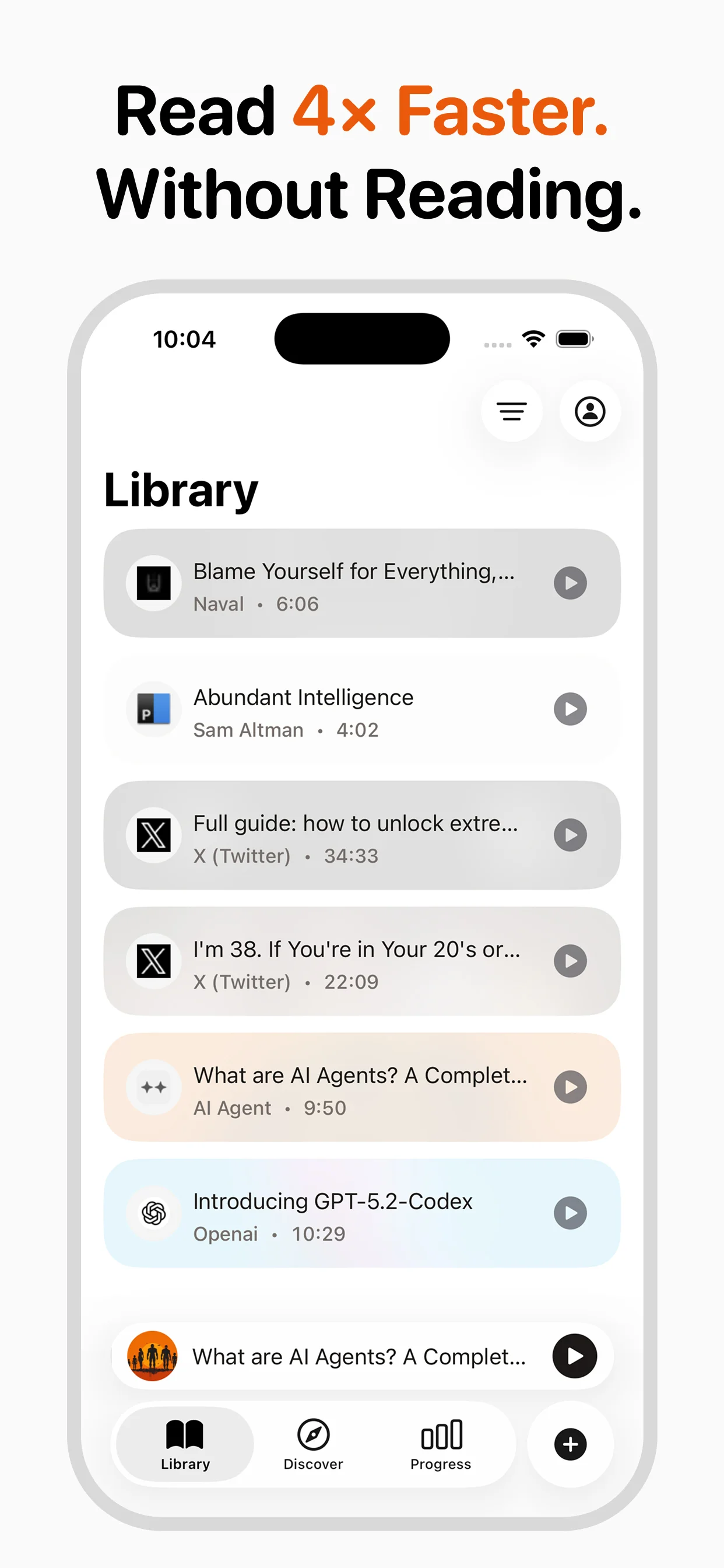
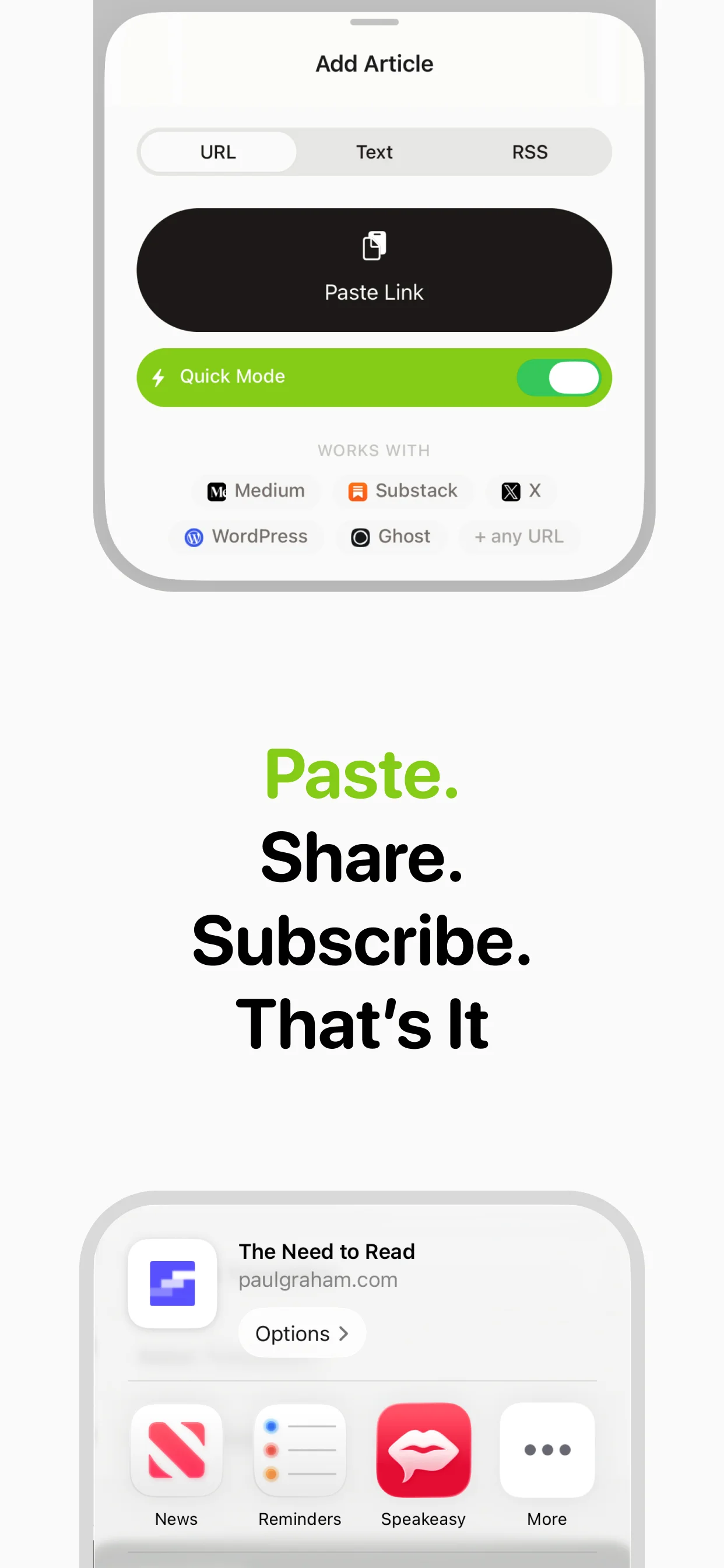
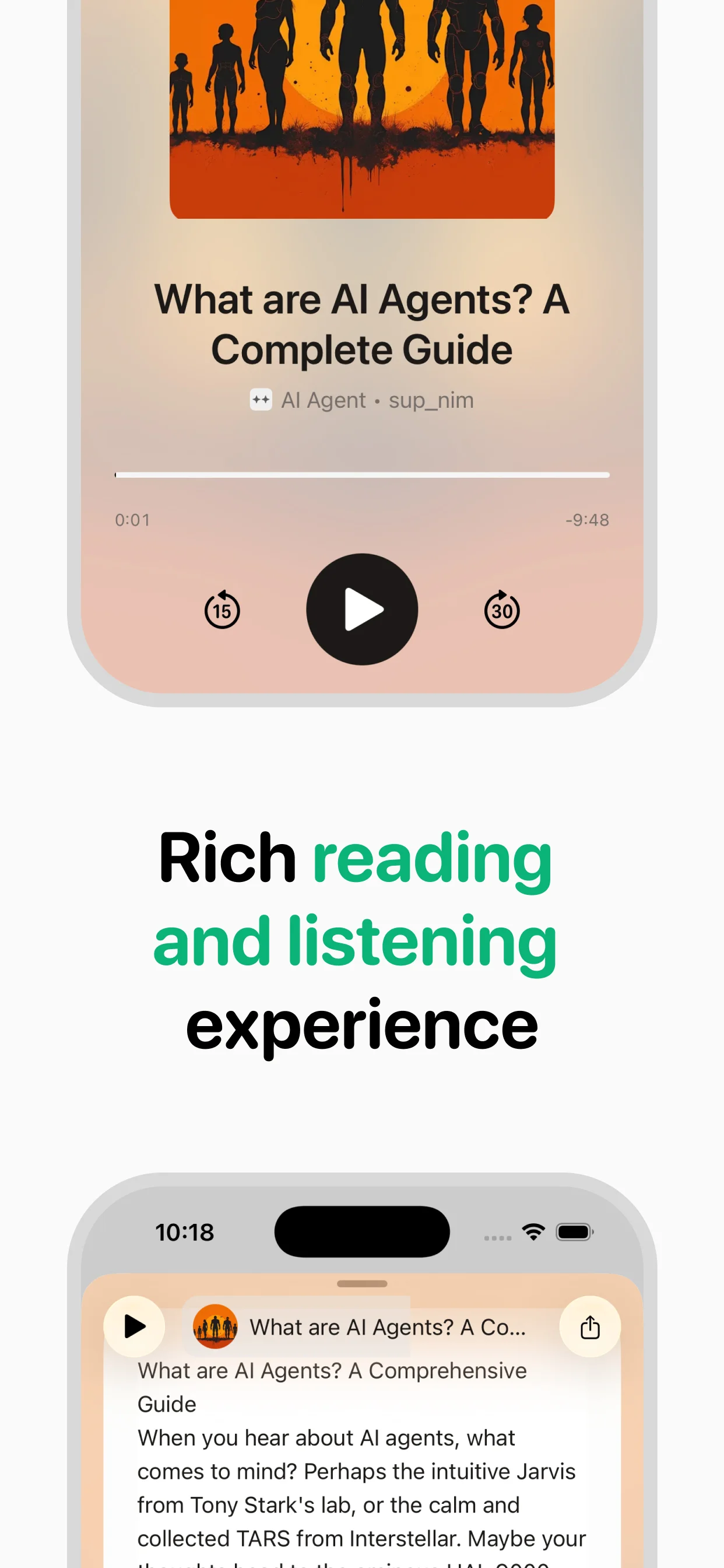
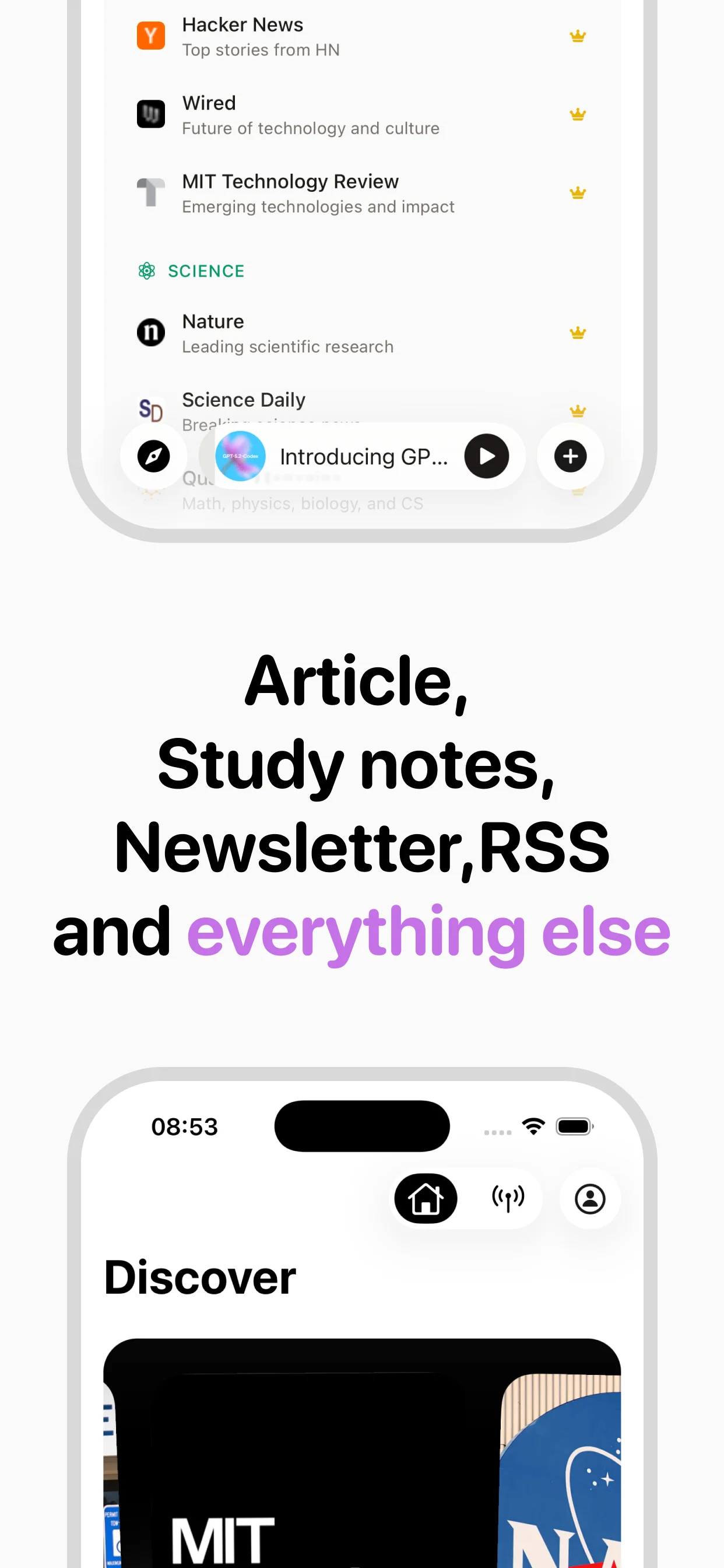
Turn any article into natural-sounding audio. Paste a link, press play, and stay informed while you move.
Coming soon on Android


