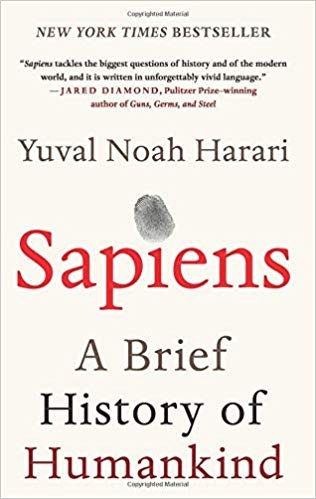
Sapiens by Yuval Noah Harari
A brief history of humankind
Reading time
8-10 hours
Listen with speakeasy
20-35 minutes with speakeasy summary
Summary
Sapiens by Yuval Noah Harari traces the entire history of Homo sapiens from our emergence as an unremarkable African primate to our current role as the planet's dominant species. Harari organizes this sweeping history around four major revolutions: the Cognitive Revolution, which gave rise to language and collective myths roughly 70,000 years ago; the Agricultural Revolution, which transformed nomadic foragers into settled farmers; the unification of humanity through money, empires, and religion; and the Scientific Revolution, which unleashed an unprecedented explosion of knowledge and power. A central argument is that what makes humans unique is our ability to believe in shared fictions — nations, money, corporations, human rights — that allow millions of strangers to cooperate. Harari challenges comfortable assumptions about progress, happiness, and what it means to be human, asking whether the Agricultural Revolution was a step forward or a trap, and whether modern prosperity has made us any happier.
Key takeaways
- Homo sapiens' unique ability to believe in shared fictions — money, nations, religions — enables large-scale cooperation impossible for other species.
- The Cognitive Revolution, roughly 70,000 years ago, gave humans language and imagination, allowing us to dominate other species.
- The Agricultural Revolution may have been history's greatest fraud — it created food surpluses but also harder lives, disease, and hierarchy.
- Money, empires, and universal religions are the three great unifiers that have progressively integrated all of humanity.
- The Scientific Revolution began with humanity's admission of ignorance and a commitment to observation and experimentation over received wisdom.
Why listen?
Sapiens opens doors to vast areas of history, anthropology, and philosophy. speakeasy lets you follow those threads by converting essays on human evolution, the history of money, or the origins of agriculture into audio — turning commutes and walks into a continuing education in big-history ideas.
About Sapiens
Published in 2011 by Yuval Noah Harari, Sapiens has become one of the most widely discussed titles in history. At 443 pages, it's a substantial work that rewards careful attention — but in today's busy world, finding time to sit down with a 443-page book can feel impossible.
That's where speakeasy comes in. While we can't convert entire copyrighted books to audio (that's what audiobooks are for), we can help you engage with the rich ecosystem of content surrounding Sapiens: reviews, summaries, analysis essays, author interviews, and discussion pieces. These articles — often published on Substack, Medium, and literary blogs — provide valuable context and different perspectives on the book's themes.
Why Sapiens endures
Great books continue to generate conversation long after publication, and Sapiens is no exception. Yuval Noah Harari's work has inspired countless essays, podcast discussions, and analytical deep-dives that explore its themes from new angles. Whether you've already read the book and want to deepen your understanding, or you're considering whether to pick it up, listening to analysis and reviews is one of the most efficient ways to engage with the ideas.
The history genre has seen tremendous growth in online discourse, with writers on Substack and Medium regularly publishing thoughtful takes on books like Sapiens. speakeasy lets you convert these articles to audio and listen during your commute, workout, or evening routine — turning any moment into an opportunity to engage with great literature.
The listening advantage for book lovers
Audio content about books serves a different purpose than the books themselves. While audiobooks give you the full text, article audio gives you context, analysis, and multiple perspectives in a fraction of the time. A 20-minute article about Sapiens can surface insights that might take hours of reading to discover on your own.
speakeasy's natural AI voices make these articles feel like listening to a knowledgeable friend discuss the book with you. Adjust the playback speed to match your preference — 1.0x for relaxed listening, 1.3x for efficient consumption — and build a personal library of the best literary analysis the web has to offer. Your collection syncs across iPhone and Mac through iCloud, so your reading list is always at your fingertips.
Exploring Yuval Noah Harari's wider work
If Sapiens resonated with you, Yuval Noah Harari's broader body of work and the essays inspired by it offer even more to explore. Many of the web's best writers have published pieces connecting Sapiens to current events, personal experiences, and other works in history.
Use speakeasy to build a listening queue around Yuval Noah Harari's ideas: start with the most-shared reviews and analysis, then branch out to interviews, opinion pieces, and thematic essays that connect this book to the wider literary conversation. The result is a richer, more nuanced understanding of both the book and the ideas it explores — all consumed during time that would otherwise go unused.
Frequently asked questions

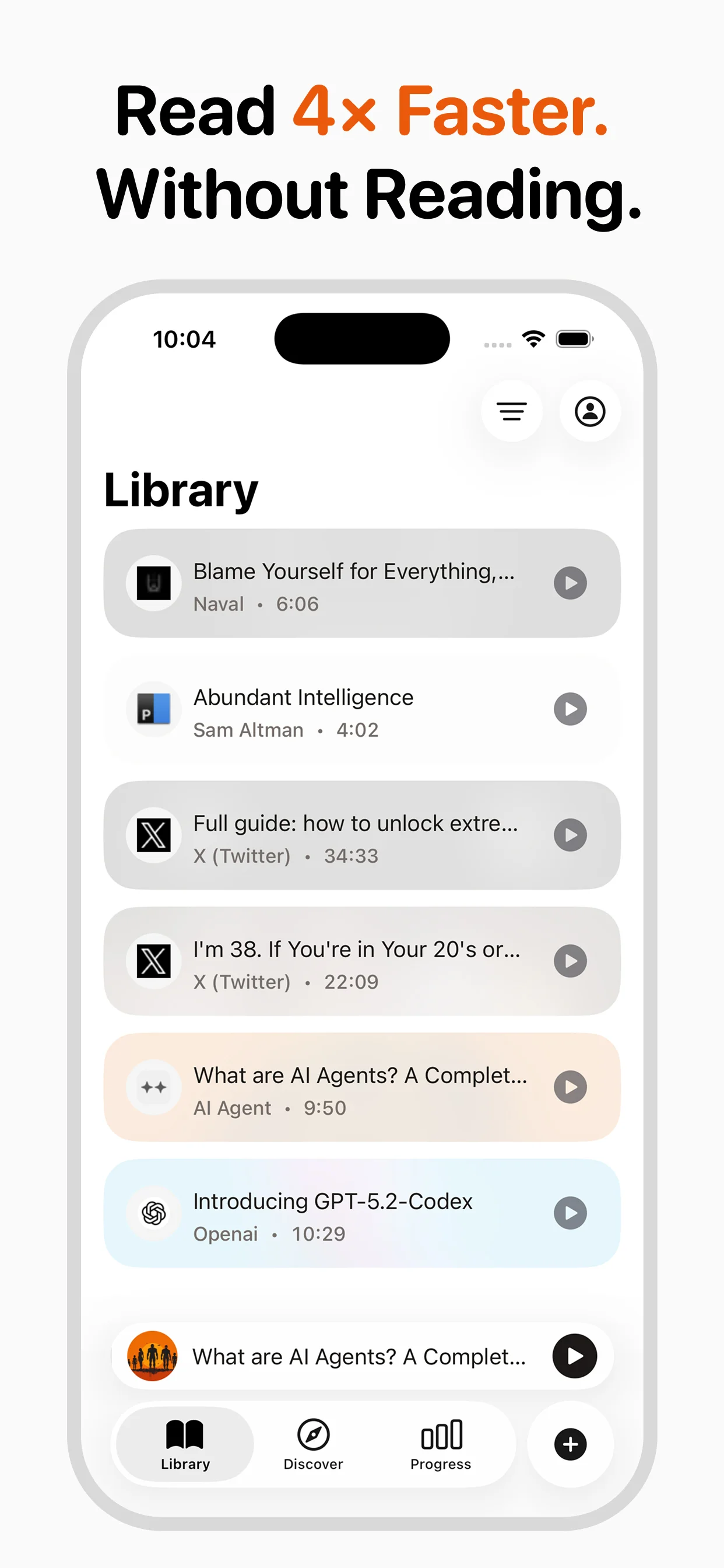

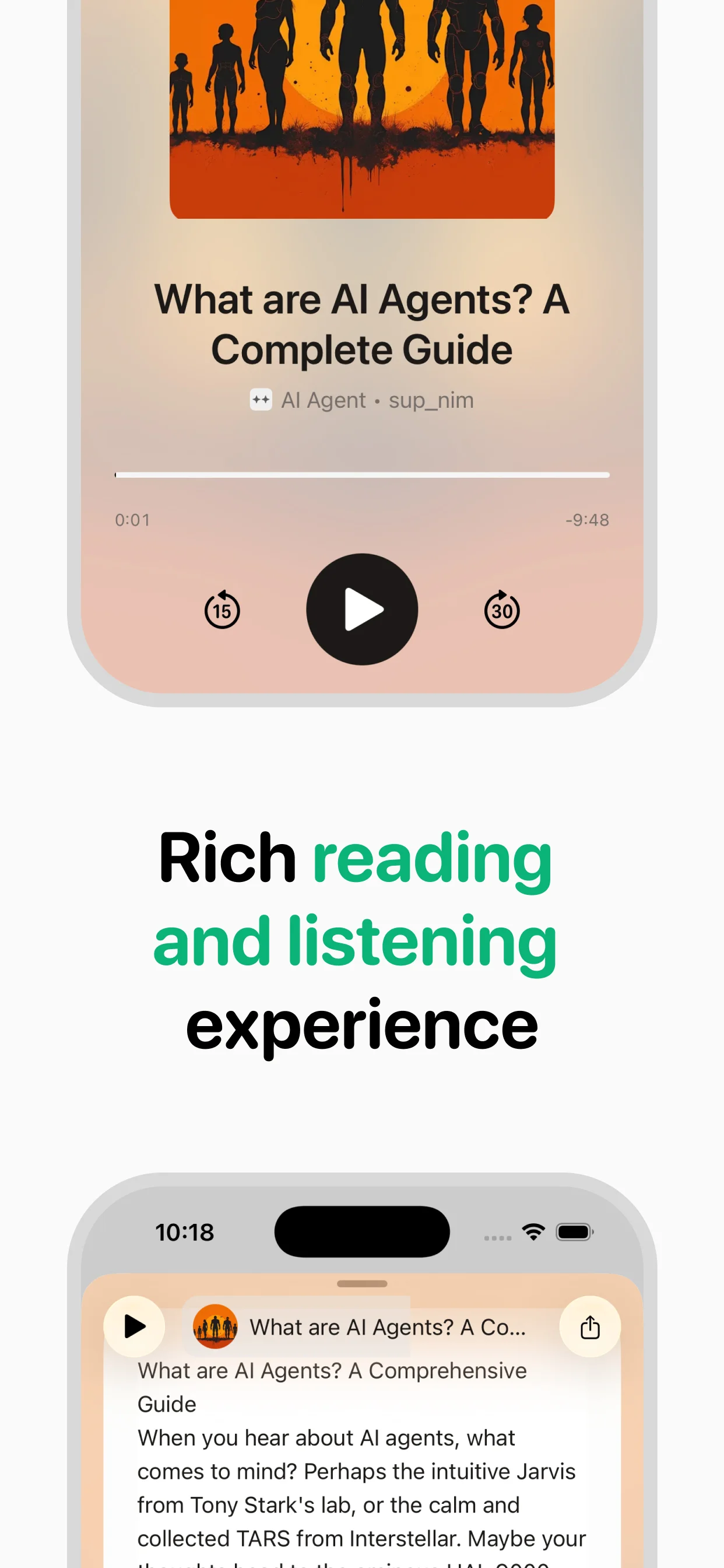
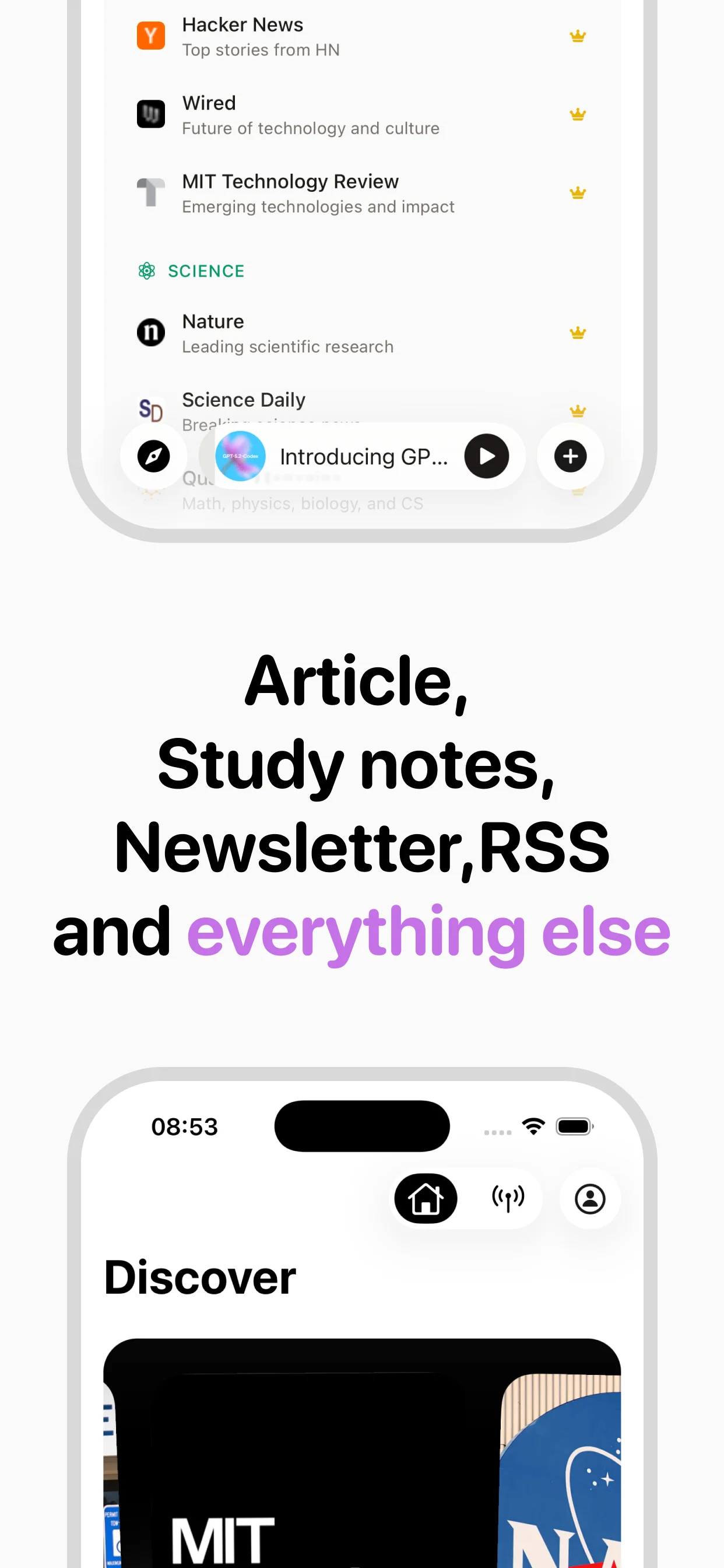
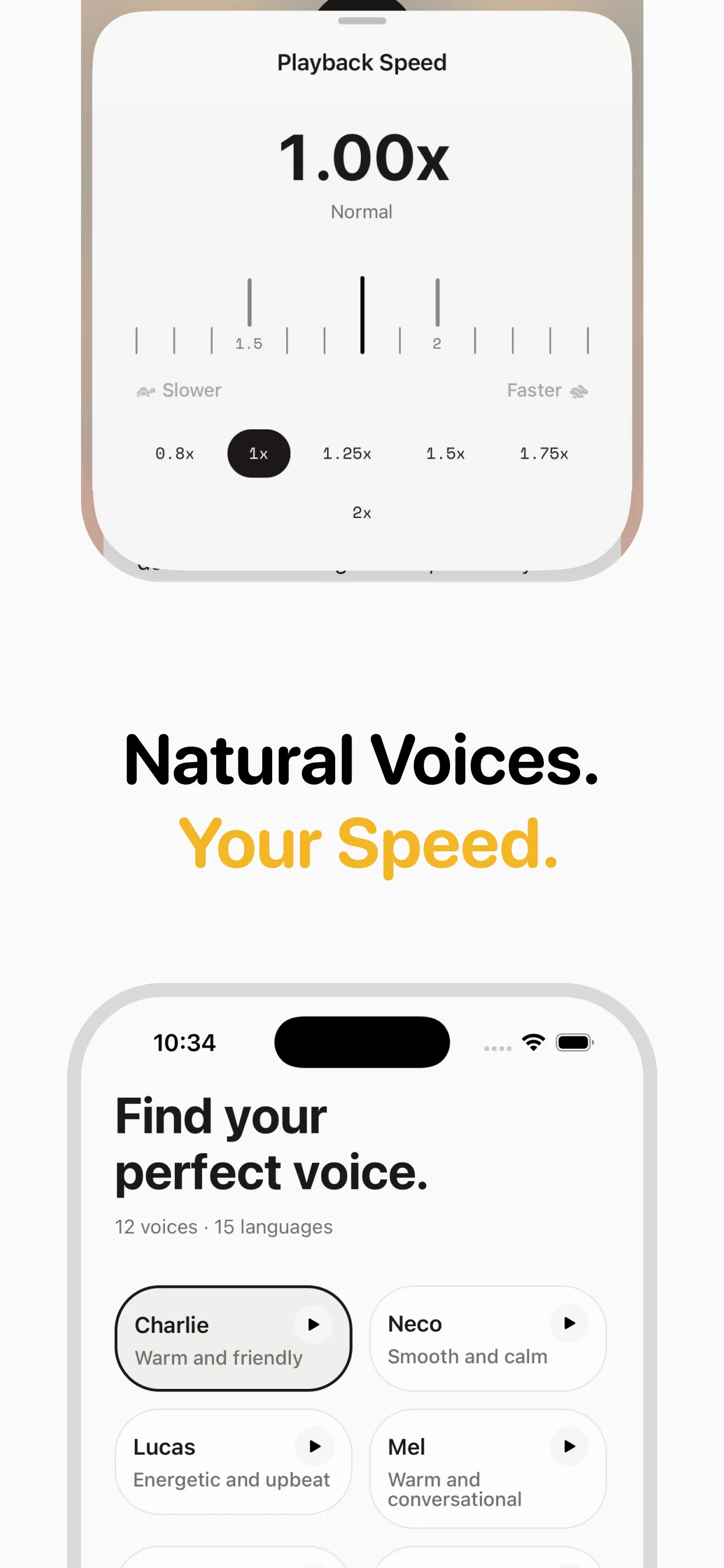

Turn any article into natural-sounding audio. Paste a link, press play, and stay informed while you move.
Coming soon on Android


