
The Big Short by Michael Lewis
Inside the doomsday machine
Reading time
5-7 hours
Listen with speakeasy
20-35 minutes with speakeasy summary
Summary
The Big Short tells the story of the 2008 financial crisis through the eyes of the eccentric investors who saw it coming and bet against the housing market. Michael Lewis profiles figures like Michael Burry, a one-eyed hedge fund manager with Asperger's who read thousands of subprime mortgage bonds, and Steve Eisman, a brash money manager who saw through Wall Street's lies. The book reveals how the financial industry created increasingly complex instruments — collateralized debt obligations (CDOs) and credit default swaps — that obscured catastrophic risk. Lewis makes the intricate world of mortgage-backed securities accessible through vivid characters and clear analogies. The narrative exposes the willful ignorance of rating agencies, the perverse incentives of mortgage originators, and the systemic corruption that nearly destroyed the global economy. It is both a detective story and an indictment of an industry that gambled with the world's financial stability.
Key takeaways
- A handful of outsiders predicted the 2008 crisis while the entire financial establishment missed it
- Complex financial instruments like CDOs obscured catastrophic levels of risk
- Rating agencies failed spectacularly by rubber-stamping toxic assets
- Perverse incentives encouraged mortgage originators to make reckless loans
- Groupthink and conflicts of interest prevented the industry from self-correcting
Why listen?
Lewis's gripping narrative makes complex finance understandable and reveals systemic failures that remain relevant today. Listen to related economics and finance essays on speakeasy to deepen your understanding of financial markets.
About The Big Short
Published in 2010 by Michael Lewis, The Big Short has become one of the most widely discussed titles in economics. At 291 pages, it's a substantial work that rewards careful attention — but in today's busy world, finding time to sit down with a 291-page book can feel impossible.
That's where speakeasy comes in. While we can't convert entire copyrighted books to audio (that's what audiobooks are for), we can help you engage with the rich ecosystem of content surrounding The Big Short: reviews, summaries, analysis essays, author interviews, and discussion pieces. These articles — often published on Substack, Medium, and literary blogs — provide valuable context and different perspectives on the book's themes.
Why The Big Short endures
Great books continue to generate conversation long after publication, and The Big Short is no exception. Michael Lewis's work has inspired countless essays, podcast discussions, and analytical deep-dives that explore its themes from new angles. Whether you've already read the book and want to deepen your understanding, or you're considering whether to pick it up, listening to analysis and reviews is one of the most efficient ways to engage with the ideas.
The economics genre has seen tremendous growth in online discourse, with writers on Substack and Medium regularly publishing thoughtful takes on books like The Big Short. speakeasy lets you convert these articles to audio and listen during your commute, workout, or evening routine — turning any moment into an opportunity to engage with great literature.
The listening advantage for book lovers
Audio content about books serves a different purpose than the books themselves. While audiobooks give you the full text, article audio gives you context, analysis, and multiple perspectives in a fraction of the time. A 20-minute article about The Big Short can surface insights that might take hours of reading to discover on your own.
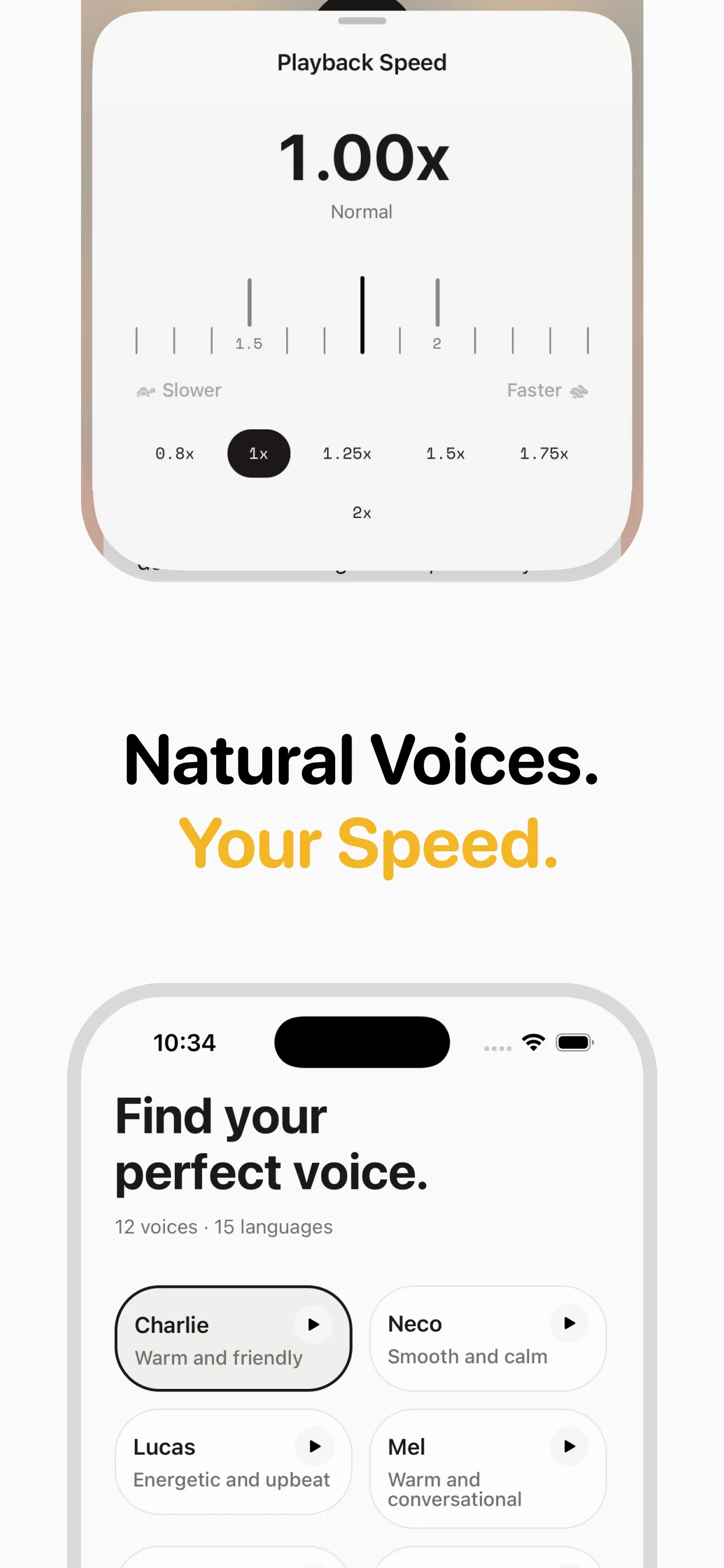
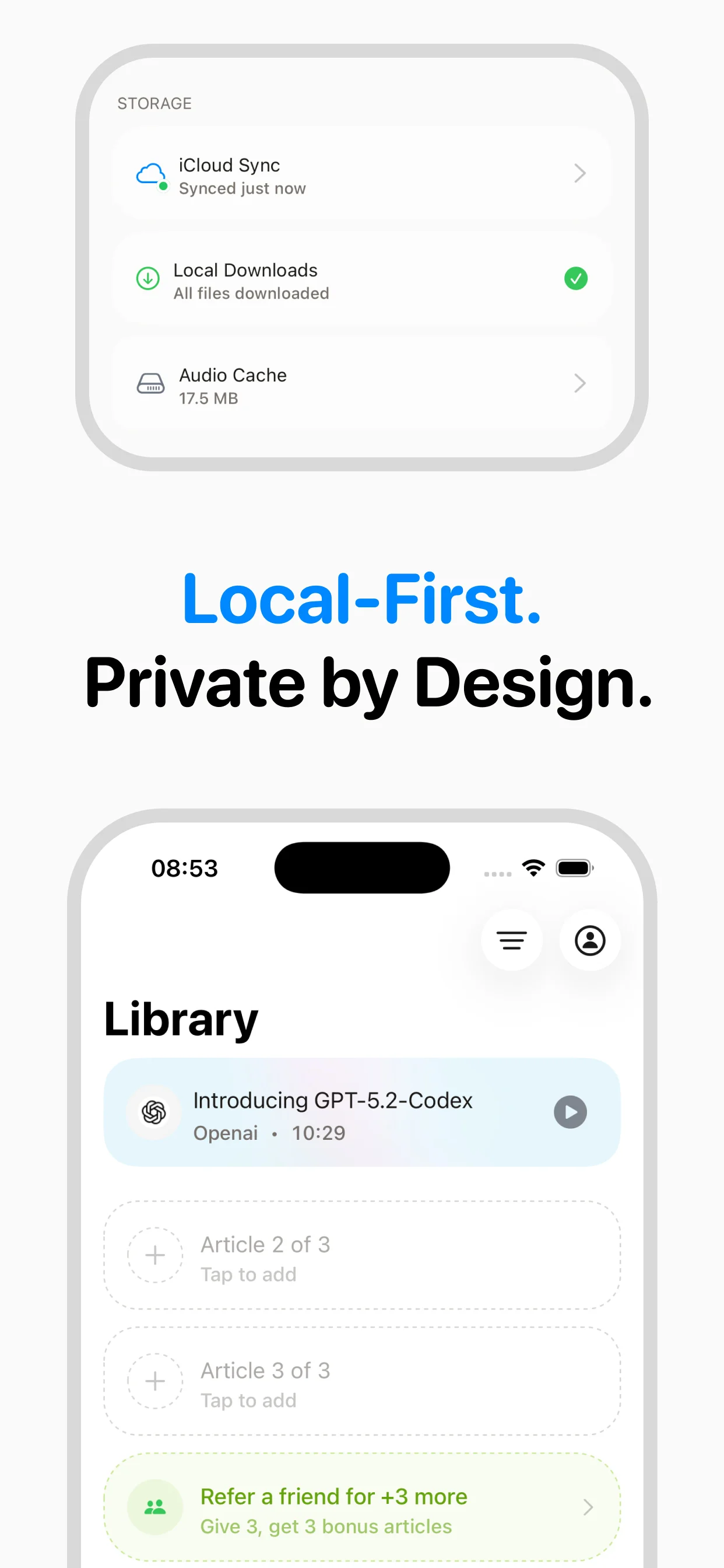
speakeasy's natural AI voices make these articles feel like listening to a knowledgeable friend discuss the book with you. Adjust the playback speed to match your preference — 1.0x for relaxed listening, 1.3x for efficient consumption — and build a personal library of the best literary analysis the web has to offer. Your collection syncs across iPhone and Mac through iCloud, so your reading list is always at your fingertips.
Exploring Michael Lewis's wider work
If The Big Short resonated with you, Michael Lewis's broader body of work and the essays inspired by it offer even more to explore. Many of the web's best writers have published pieces connecting The Big Short to current events, personal experiences, and other works in economics.
Use speakeasy to build a listening queue around Michael Lewis's ideas: start with the most-shared reviews and analysis, then branch out to interviews, opinion pieces, and thematic essays that connect this book to the wider literary conversation. The result is a richer, more nuanced understanding of both the book and the ideas it explores — all consumed during time that would otherwise go unused.
Frequently asked questions

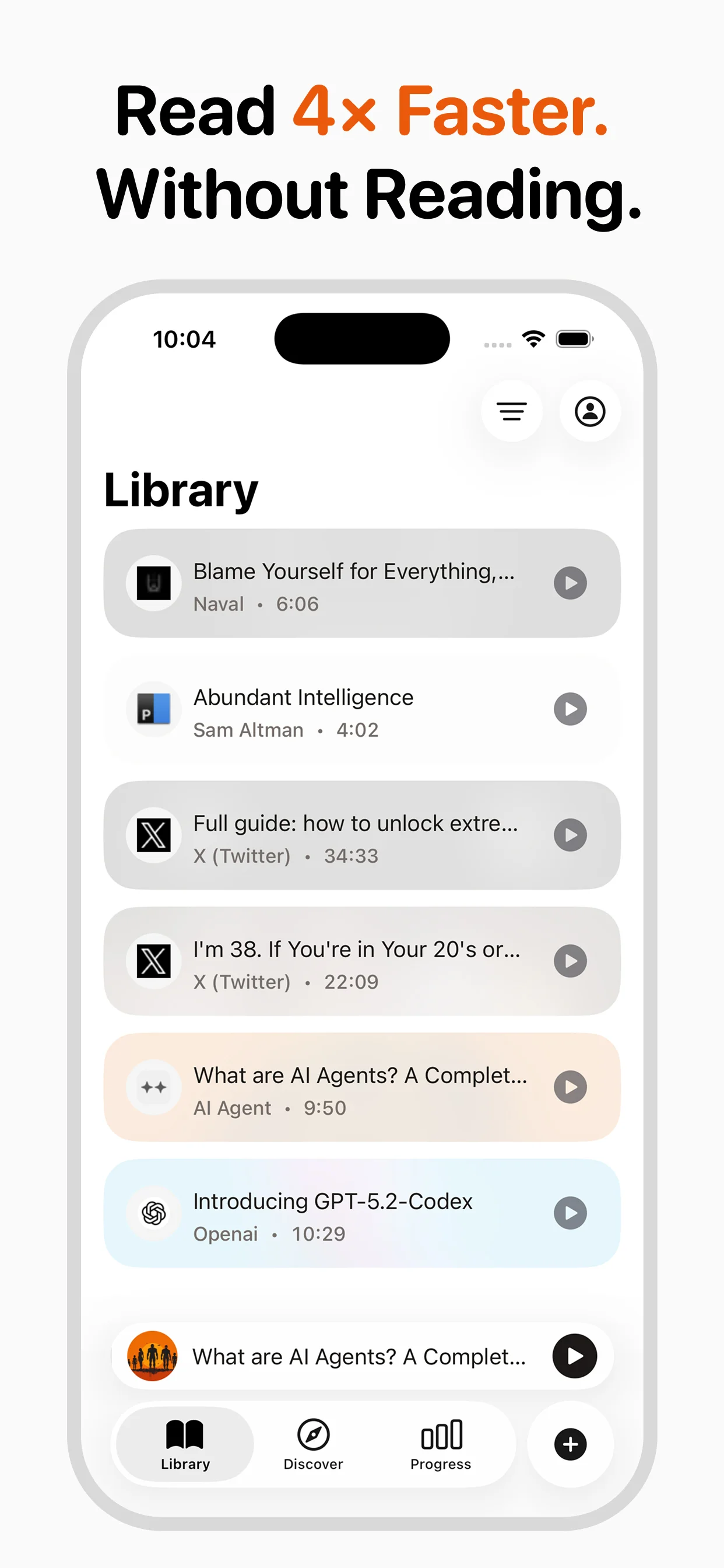
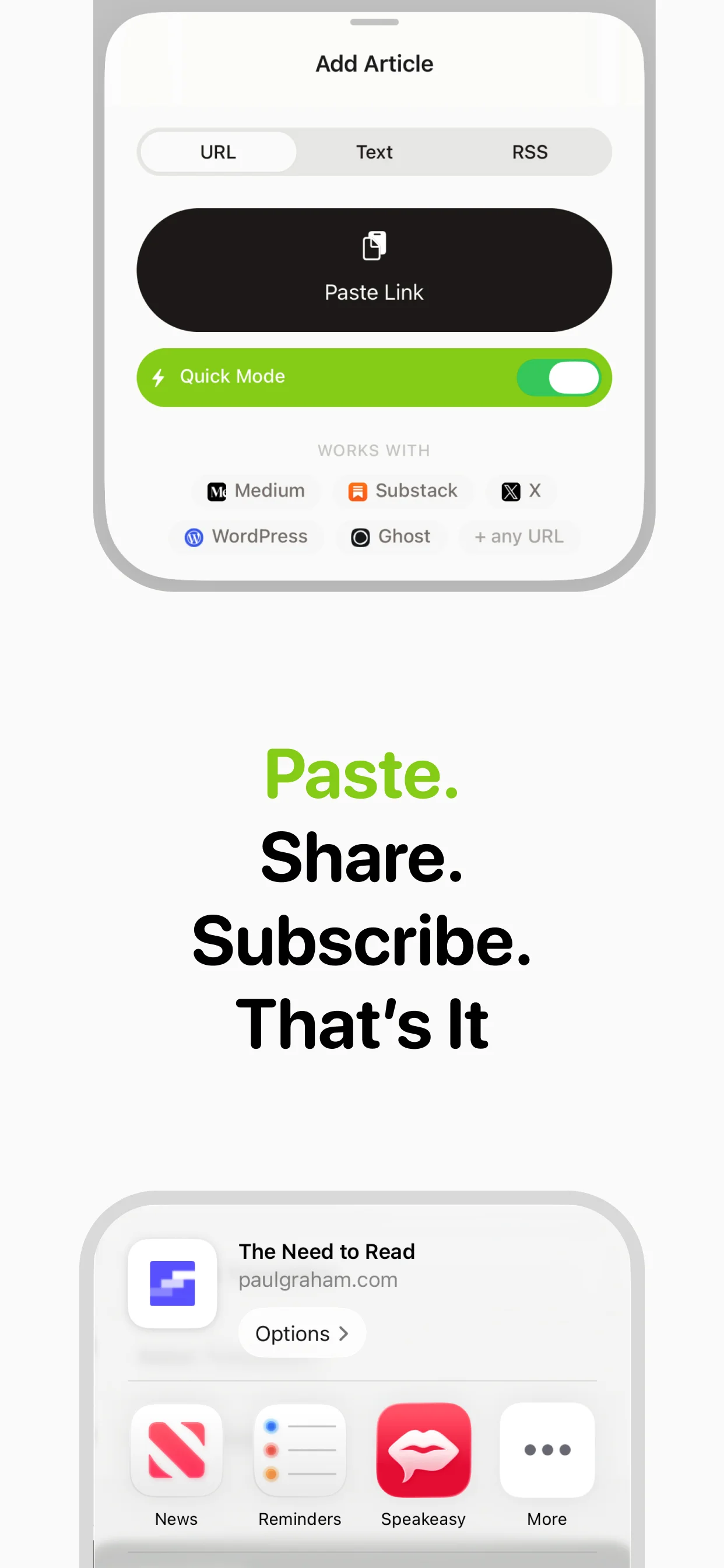
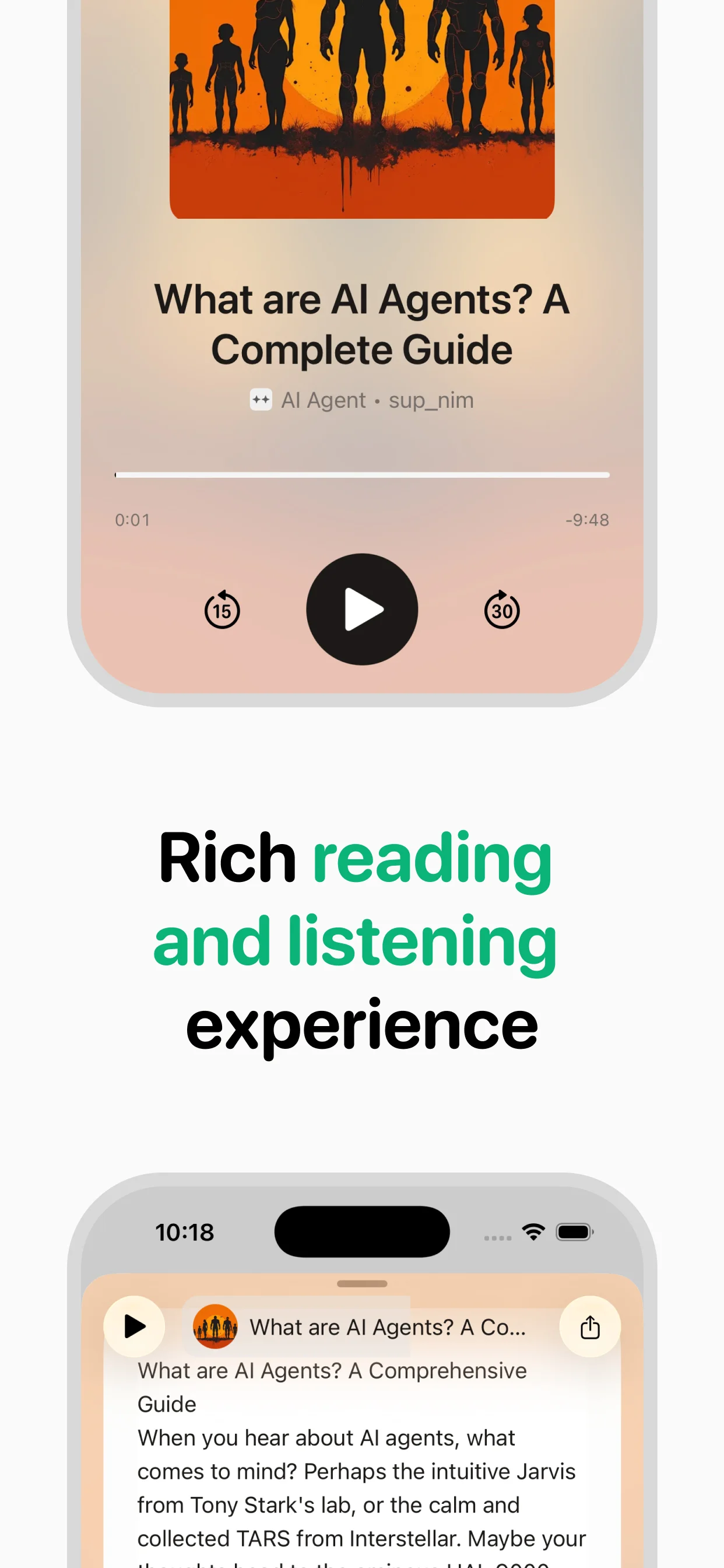
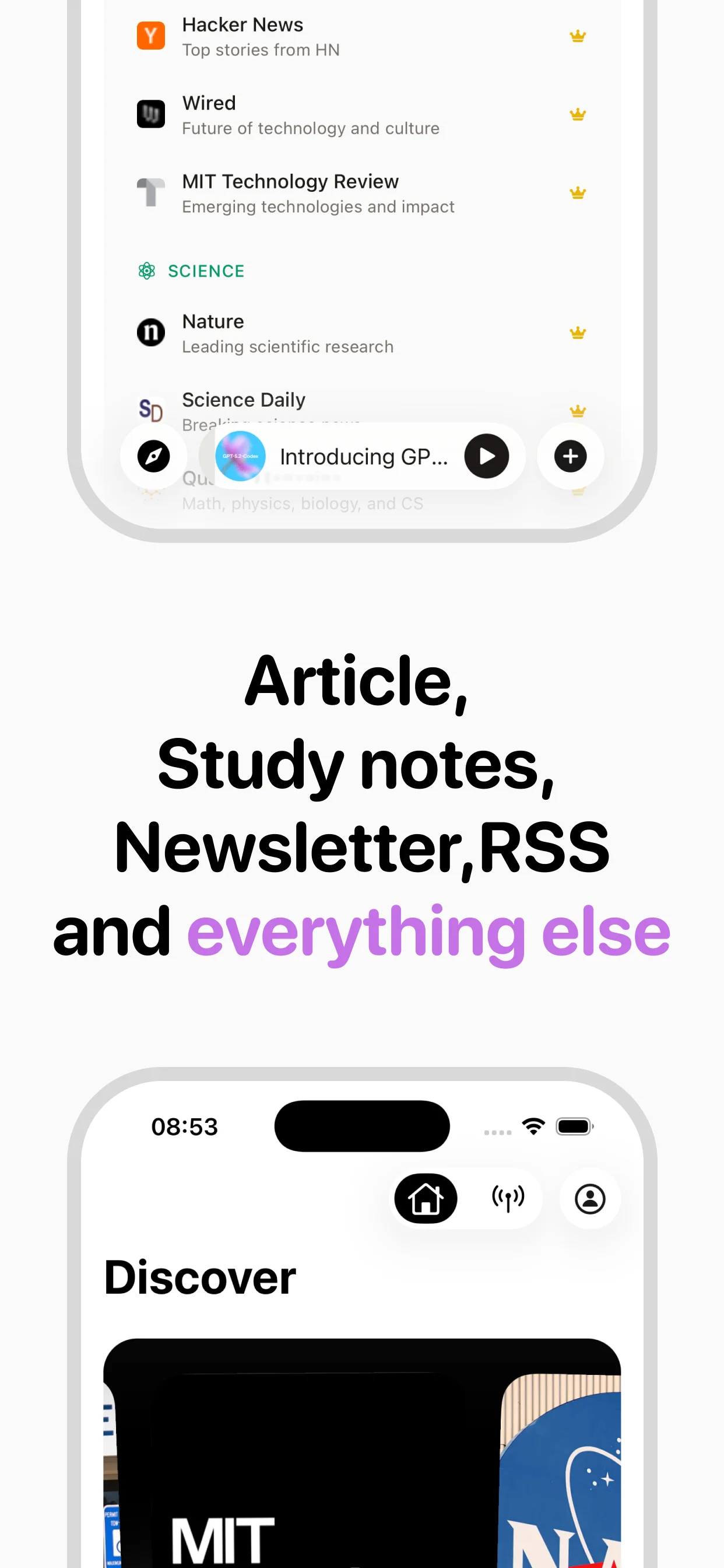
Turn any article into natural-sounding audio. Paste a link, press play, and stay informed while you move.
Coming soon on Android


