The Best Speechify Alternative for Article Lovers
Same quality. Simpler app. 65% less cost.
 speakeasy
Speechify has built a massive text-to-speech empire, amassing over 50 million users with celebrity voices, OCR scanning, audiobook libraries, and an AI writing studio. It is one of the most well-known names in the TTS space, and for good reason. However, that breadth comes with a cost, both financially and in terms of complexity. If your primary goal is listening to web articles, newsletters, and blog posts, you are paying $139 per year for a suite of tools you may never open. speakeasy takes a deliberately different approach. It is built for one workflow: paste a URL, get natural-sounding audio, and save it to your library. There are no OCR tools, no audiobook stores, no AI writing assistants. That singular focus means a cleaner interface, faster performance, and a price point that reflects what you actually use. For readers who consume content from Medium, Substack, Twitter, and news sites, speakeasy delivers the same core experience at a fraction of the cost.
Why Article Listeners Are Leaving Speechify
Speechify's growth strategy has been to become the everything-app for text-to-speech. It now includes OCR document scanning, an audiobook marketplace, AI Studio for content creation, and even tools for generating voiceovers. For power users who need all of that, Speechify is genuinely impressive. But the vast majority of TTS users have a much simpler need: they find an article online and want to listen to it. For those users, Speechify's feature sprawl creates friction. The app is heavy, the interface is busy with upsells, and the $139 annual price tag reflects capabilities that article readers simply do not need. Many users report feeling overwhelmed by the number of features they never touch, while simultaneously wishing the core article-reading experience was more streamlined. This is exactly the gap that speakeasy fills.
How speakeasy Compares on What Matters
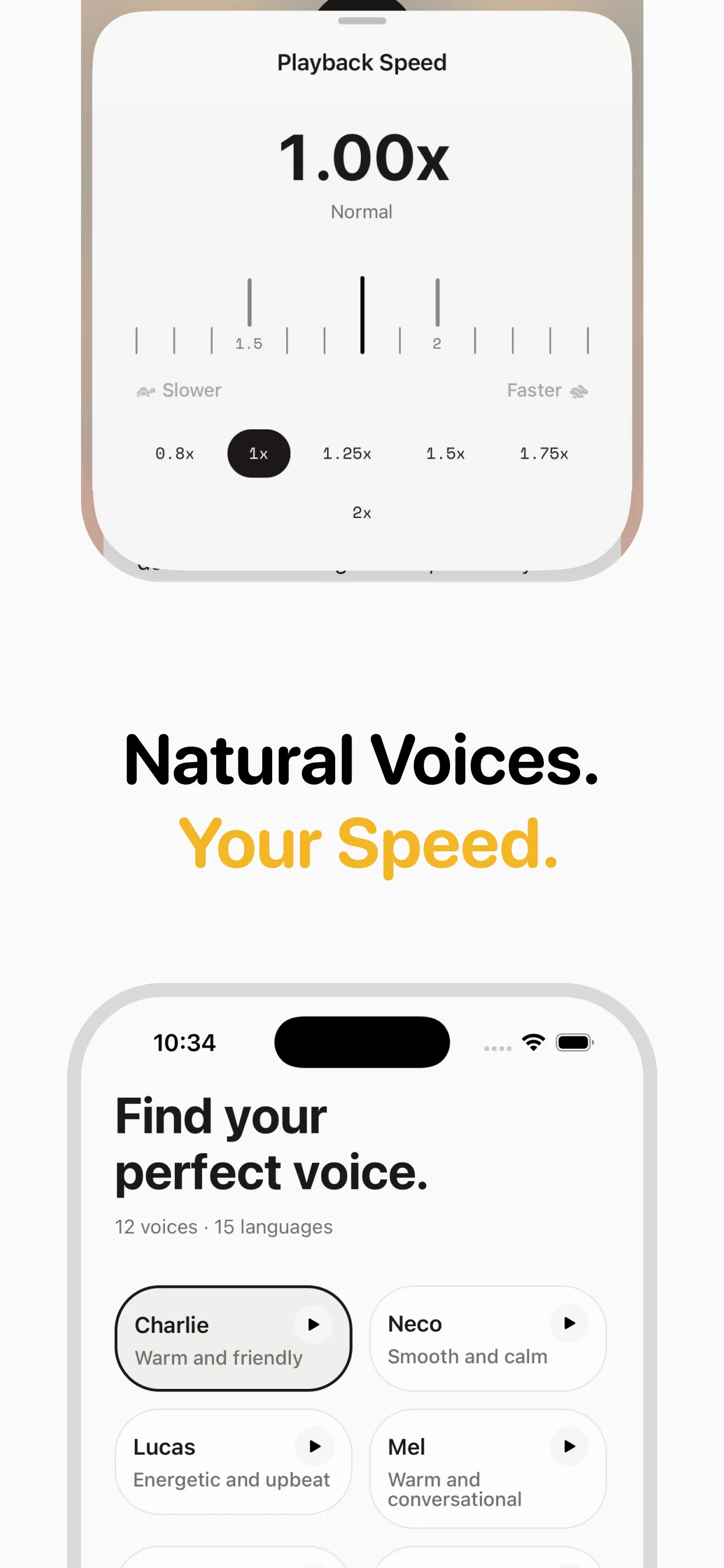
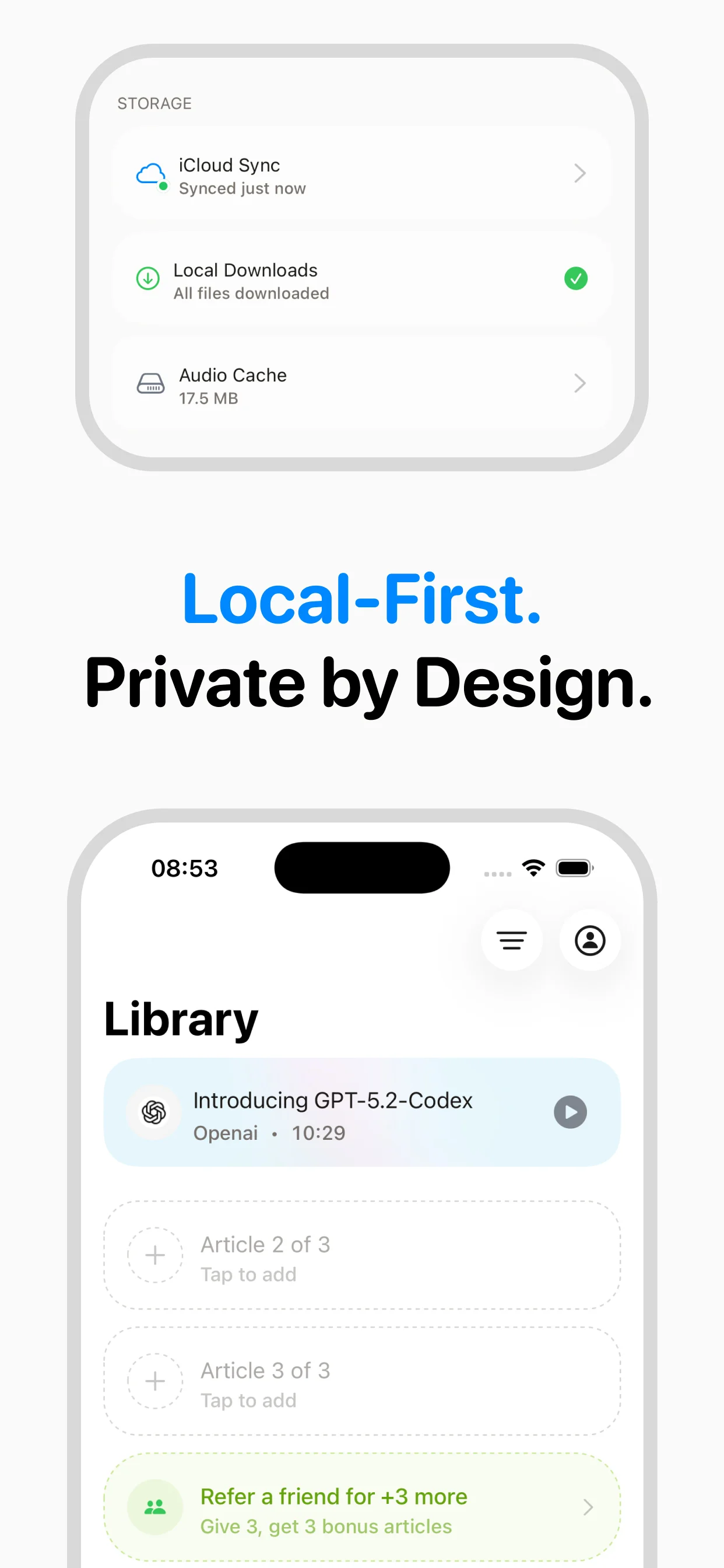
When you strip away the extras and focus on the article-listening workflow, speakeasy holds its own against Speechify and exceeds it in several areas. speakeasy uses InWorld neural voices that produce natural, expressive audio with proper pacing and intonation for long-form content. The URL extraction engine handles articles from virtually any source, including Twitter and X threads, which Speechify does not support. RSS feed integration means you can subscribe to your favorite publications and have new articles automatically ready to listen, a feature entirely absent from Speechify. And iCloud sync ensures your audio library is available across every Apple device without creating an account or configuring a proprietary cloud service. Where Speechify does have clear advantages is in platform breadth. It supports iOS, Android, web browsers, and Chrome extensions. If you need cross-platform availability beyond the Apple ecosystem, that is a legitimate reason to stick with Speechify. But within the Apple ecosystem, speakeasy's native iCloud integration provides a more seamless experience.
The Cost Question: Is 65% Savings Real?
At $89.99 per year versus Speechify's $139 per year, speakeasy saves you roughly $50 annually, which works out to about 65 percent less. But the comparison goes deeper than sticker price. Speechify's free tier restricts you to 10 basic voices and caps playback speed at 1.5x, essentially forcing an upgrade to use the app seriously. speakeasy's free tier gives you 3 full articles per week with premium InWorld voices and the complete speed range from 0.5x to 4x. There are no artificial limitations designed to push you toward a subscription. You get the real product from day one, and you can decide whether the premium tier makes sense based on how much you actually listen.
What the TTS Market Looks Like in 2026
The text-to-speech landscape has changed dramatically. AI voices now sound remarkably human, and the gap between budget and premium providers has narrowed significantly. What differentiates TTS apps today is no longer just voice quality but rather the surrounding workflow: how easily you can get content in, how well the app integrates with your devices, and whether the experience is optimized for your specific use case. Speechify has chosen to compete by adding more features. speakeasy competes by doing fewer things exceptionally well. For the growing number of people who consume long-form articles through audio during commutes, workouts, and household tasks, that focused approach is proving to be exactly what they want. The choice comes down to whether you need an all-in-one TTS platform or a dedicated article-listening app that respects your time and your wallet.
Why switch from Speechify?
Feature comparison
Speechify's limitations
Frequently asked questions
Verdict
If you use Speechify mainly for listening to articles, you're overpaying. speakeasy gives you the same core experience — paste a URL, listen to a great voice read it — for 65% less. You get RSS feeds, iCloud sync, and Twitter thread support that Speechify doesn't offer. The only reason to stick with Speechify is if you heavily use its PDF reader, OCR, or audiobook library.
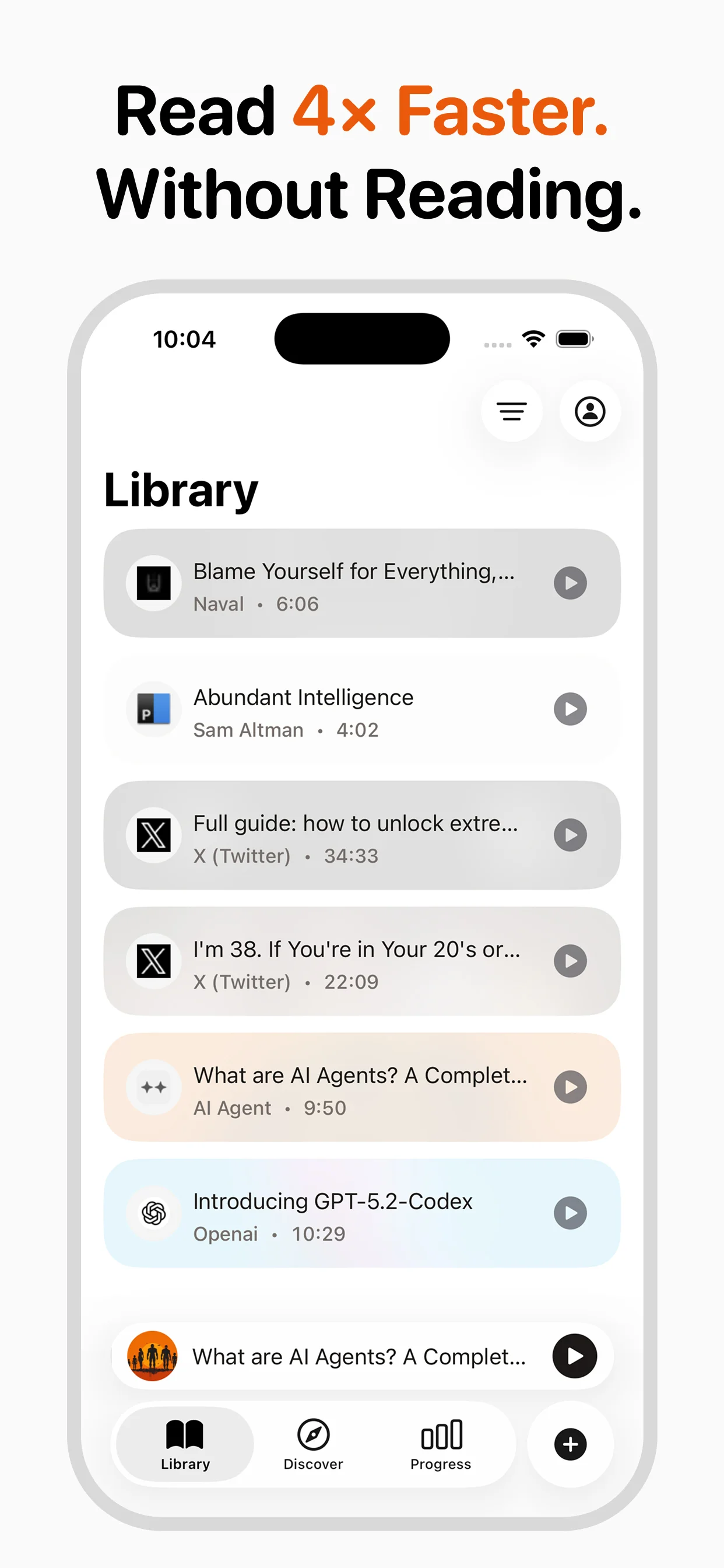
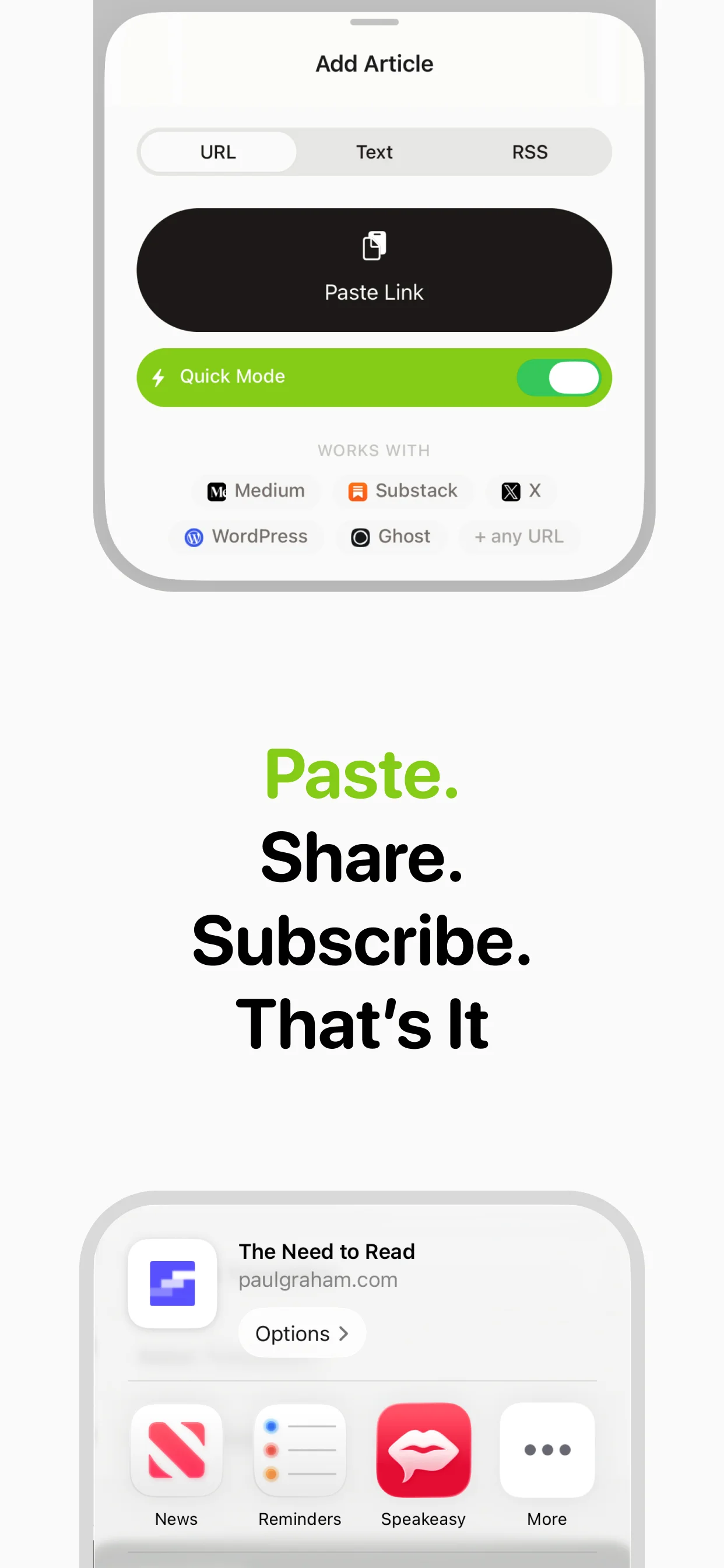
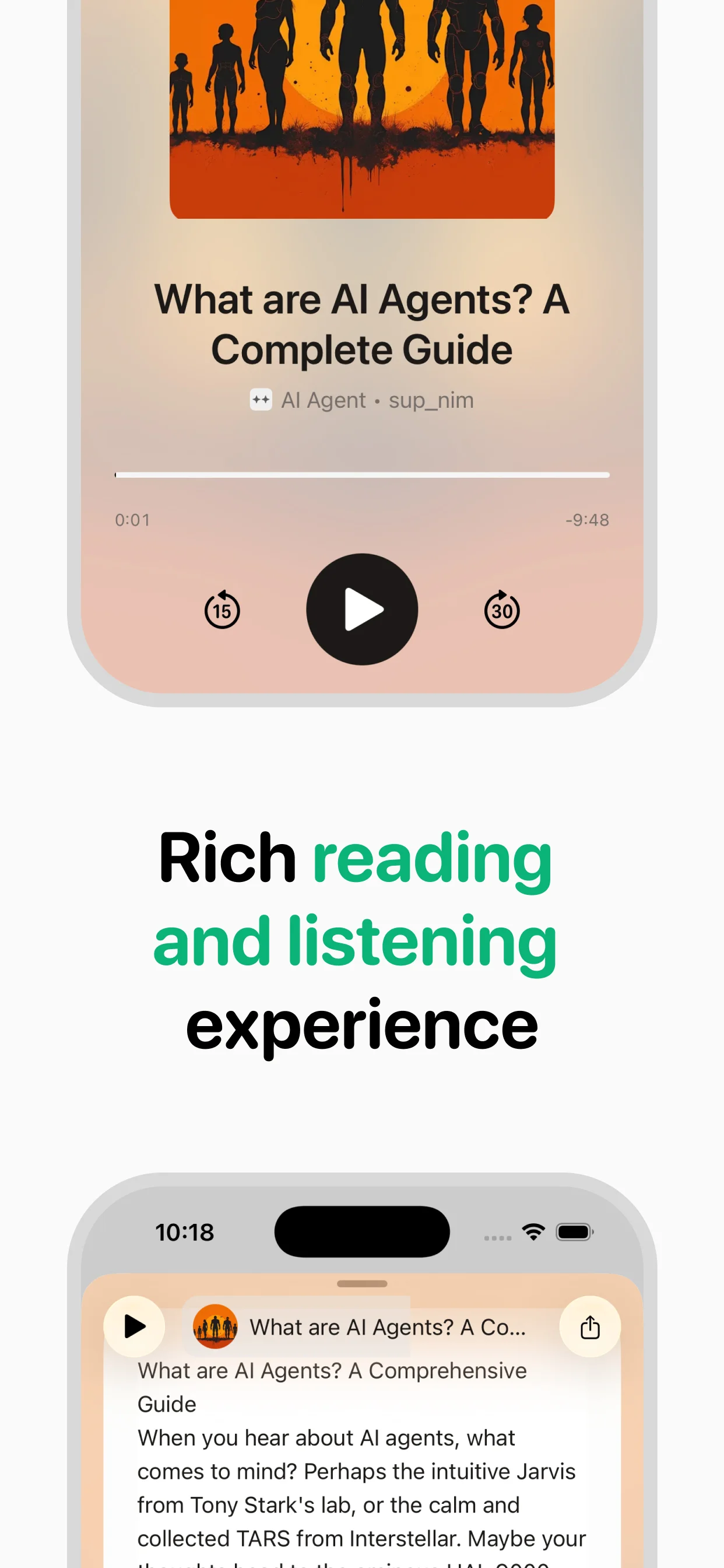
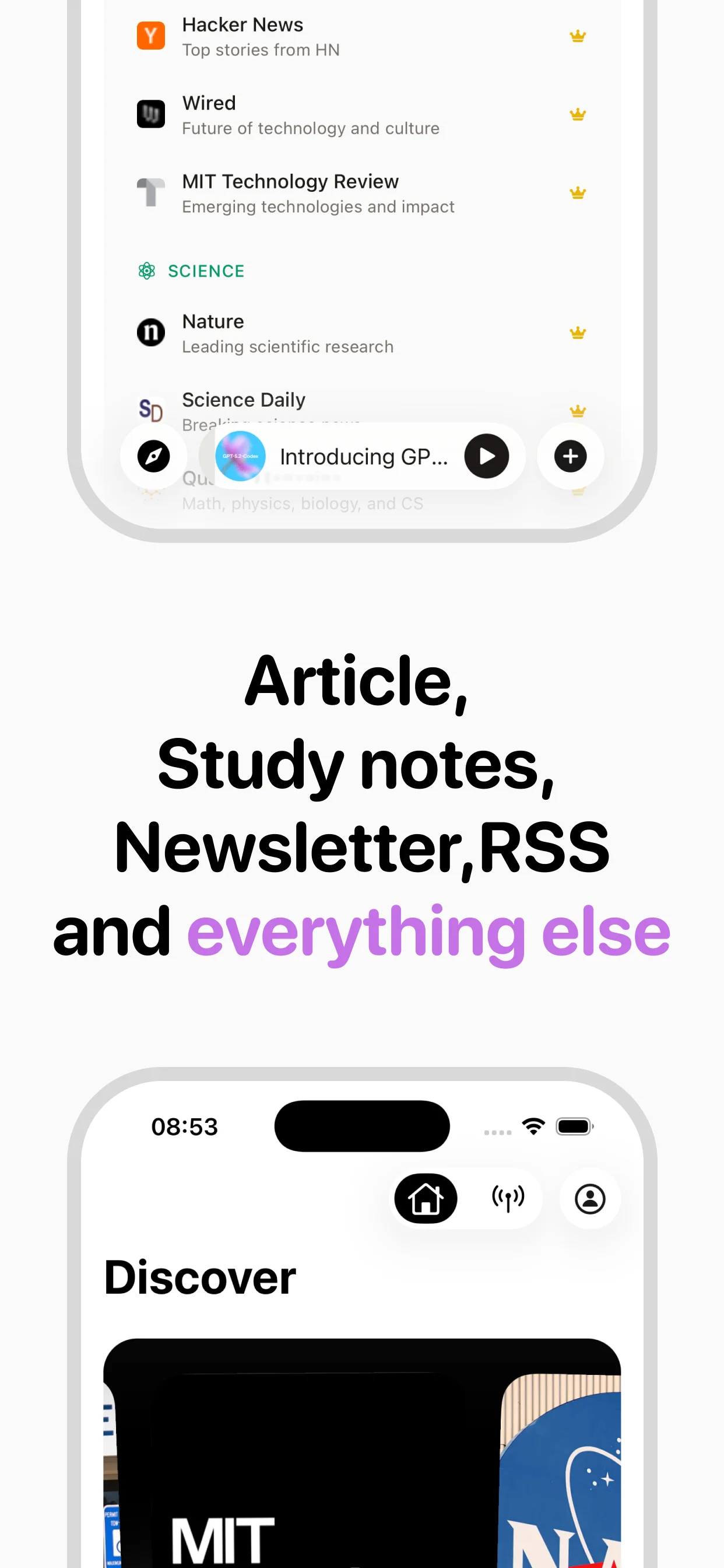
Turn any article into natural-sounding audio. Paste a link, press play, and stay informed while you move.
Coming soon on Android