
Neuromancer by William Gibson
The novel that invented cyberpunk and foresaw the internet's transformation of human identity
Reading time
5-7 hours
Listen with speakeasy
20-35 minutes with speakeasy summary
Summary
Published in 1984, Neuromancer is the founding text of cyberpunk fiction and the novel that introduced the concept of cyberspace — 'a consensual hallucination experienced daily by billions.' Set in a sprawling future of corporate dystopia, street-level criminality, and bleeding-edge technology, the novel follows Case, a washed-up hacker who has been neurologically sabotaged and can no longer access the matrix. He is recruited by a mysterious employer to pull off the most complex data heist in history, working alongside the deadly razorgirl Molly. Gibson's vision of a world where multinational corporations have superseded nation-states, where the line between human and machine is increasingly permeable, and where information is the ultimate currency proved extraordinarily prescient. Written before the public internet existed, Neuromancer anticipated surveillance capitalism, hacker culture, artificial intelligence, and the social consequences of global networks with startling accuracy. The novel won the Hugo, Nebula, and Philip K. Dick awards — a triple crown no debut novel had achieved before — and its influence on technology, film, and culture has been immeasurable.
Key takeaways
- Gibson coined 'cyberspace' and described the internet's social architecture a decade before it became publicly accessible
- The novel depicts corporate power superseding nation-states, a political reality that has accelerated dramatically since 1984
- Cyberpunk's central insight is that technology amplifies existing inequalities rather than eliminating them
- The blurring of human and machine identity anticipates debates about AI consciousness, augmentation, and digital selfhood
- Neuromancer established a visual and tonal grammar — neon, noir, sprawl — that defined decades of science fiction film and literature
Why listen?
Neuromancer's influence on technology, culture, film, and politics has generated a vast body of critical essays that remain urgently relevant as AI and digital networks reshape society. speakeasy converts those essays into audio so you can engage with Gibson's prophetic vision anywhere, at any time.
About Neuromancer
Published in 1984 by William Gibson, Neuromancer has become one of the most widely discussed titles in science fiction. At 271 pages, it's a substantial work that rewards careful attention — but in today's busy world, finding time to sit down with a 271-page book can feel impossible.
That's where speakeasy comes in. While we can't convert entire copyrighted books to audio (that's what audiobooks are for), we can help you engage with the rich ecosystem of content surrounding Neuromancer: reviews, summaries, analysis essays, author interviews, and discussion pieces. These articles — often published on Substack, Medium, and literary blogs — provide valuable context and different perspectives on the book's themes.
Why Neuromancer endures
Great books continue to generate conversation long after publication, and Neuromancer is no exception. William Gibson's work has inspired countless essays, podcast discussions, and analytical deep-dives that explore its themes from new angles. Whether you've already read the book and want to deepen your understanding, or you're considering whether to pick it up, listening to analysis and reviews is one of the most efficient ways to engage with the ideas.
The science fiction genre has seen tremendous growth in online discourse, with writers on Substack and Medium regularly publishing thoughtful takes on books like Neuromancer. speakeasy lets you convert these articles to audio and listen during your commute, workout, or evening routine — turning any moment into an opportunity to engage with great literature.
The listening advantage for book lovers
Audio content about books serves a different purpose than the books themselves. While audiobooks give you the full text, article audio gives you context, analysis, and multiple perspectives in a fraction of the time. A 20-minute article about Neuromancer can surface insights that might take hours of reading to discover on your own.
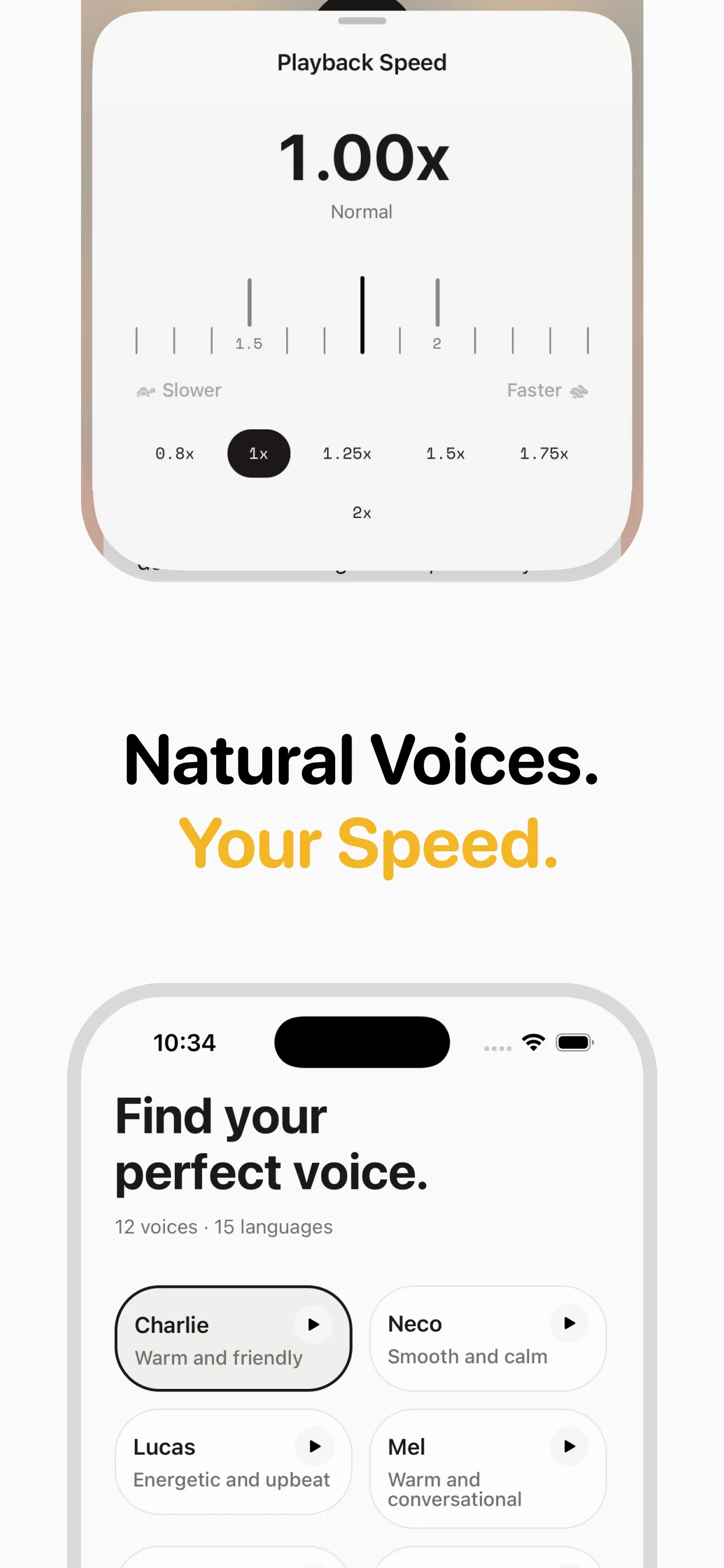
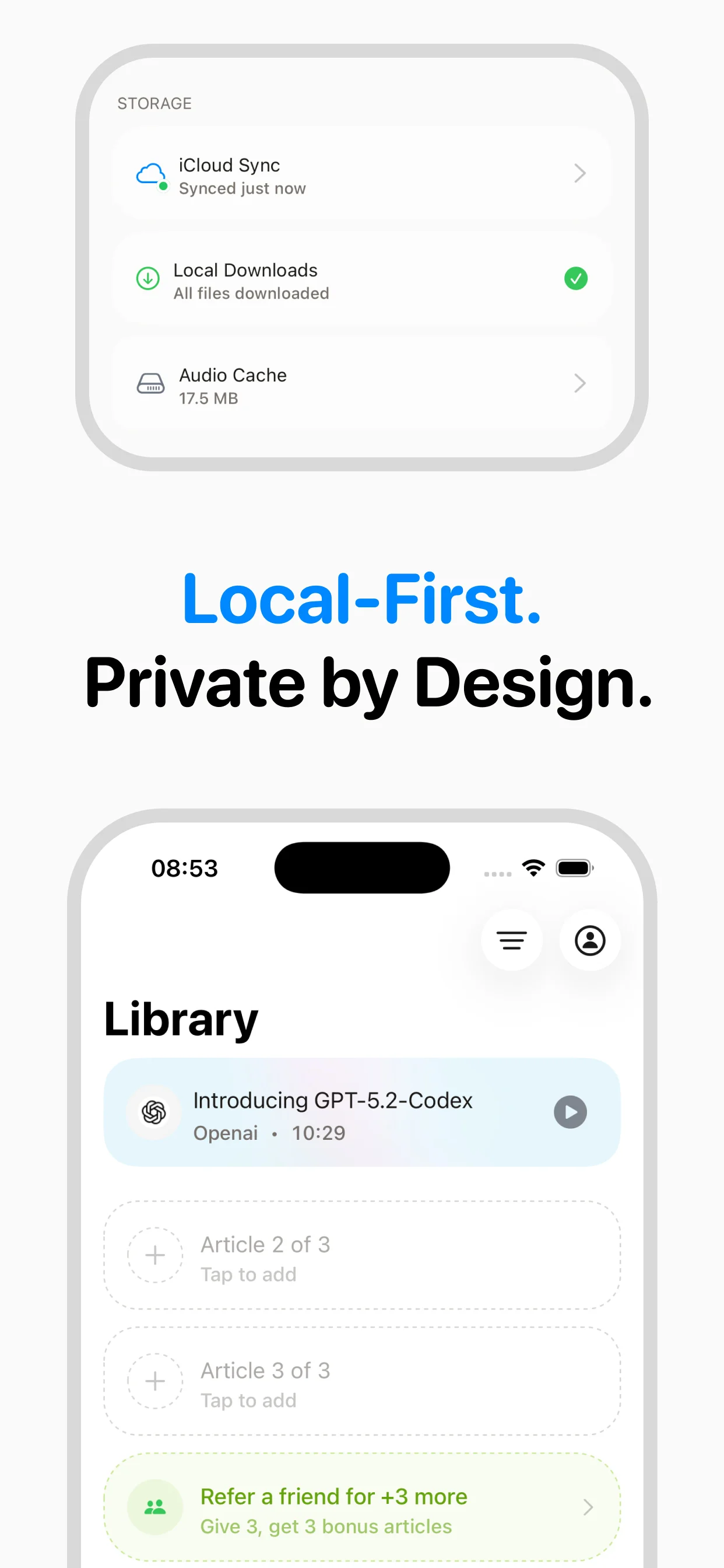
speakeasy's natural AI voices make these articles feel like listening to a knowledgeable friend discuss the book with you. Adjust the playback speed to match your preference — 1.0x for relaxed listening, 1.3x for efficient consumption — and build a personal library of the best literary analysis the web has to offer. Your collection syncs across iPhone and Mac through iCloud, so your reading list is always at your fingertips.
Exploring William Gibson's wider work
If Neuromancer resonated with you, William Gibson's broader body of work and the essays inspired by it offer even more to explore. Many of the web's best writers have published pieces connecting Neuromancer to current events, personal experiences, and other works in science fiction.
Use speakeasy to build a listening queue around William Gibson's ideas: start with the most-shared reviews and analysis, then branch out to interviews, opinion pieces, and thematic essays that connect this book to the wider literary conversation. The result is a richer, more nuanced understanding of both the book and the ideas it explores — all consumed during time that would otherwise go unused.
Frequently asked questions

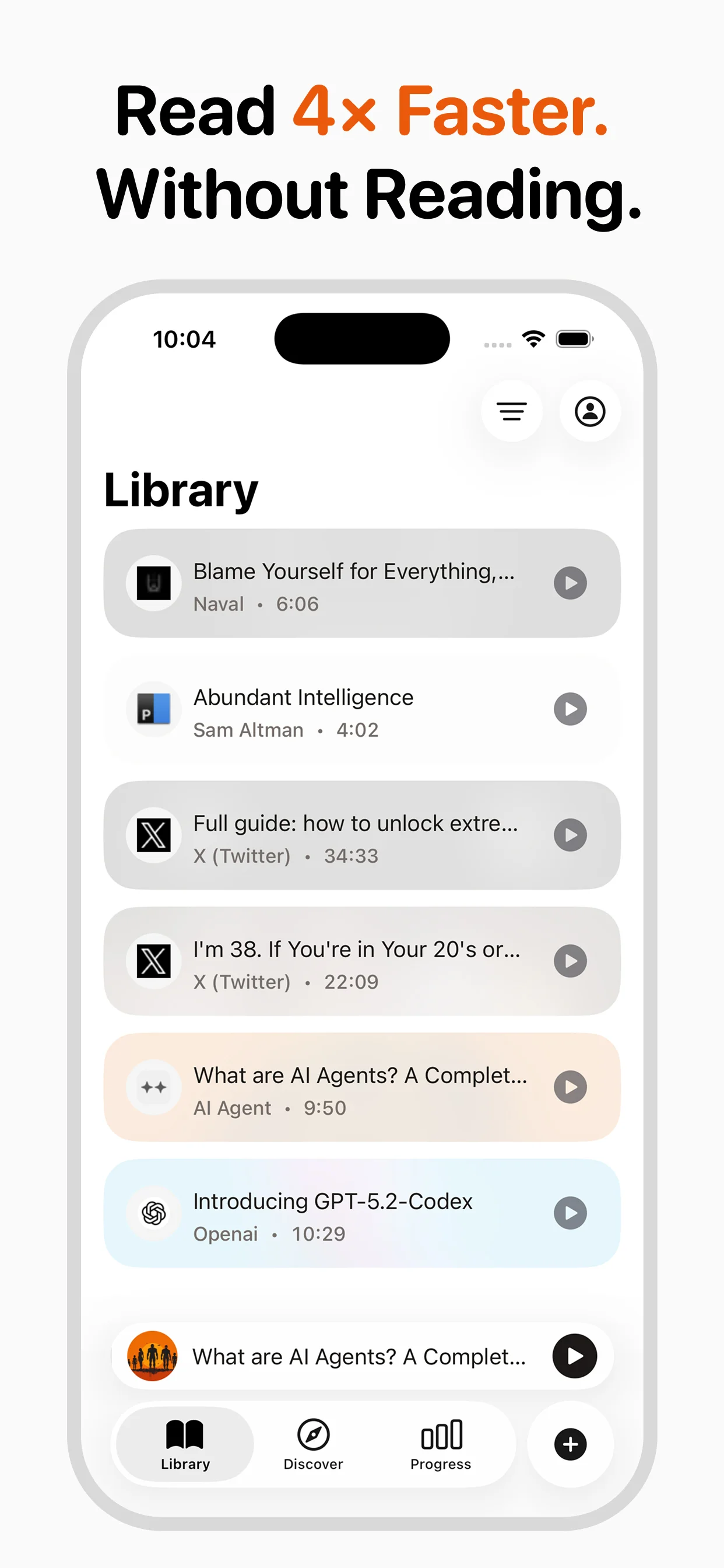
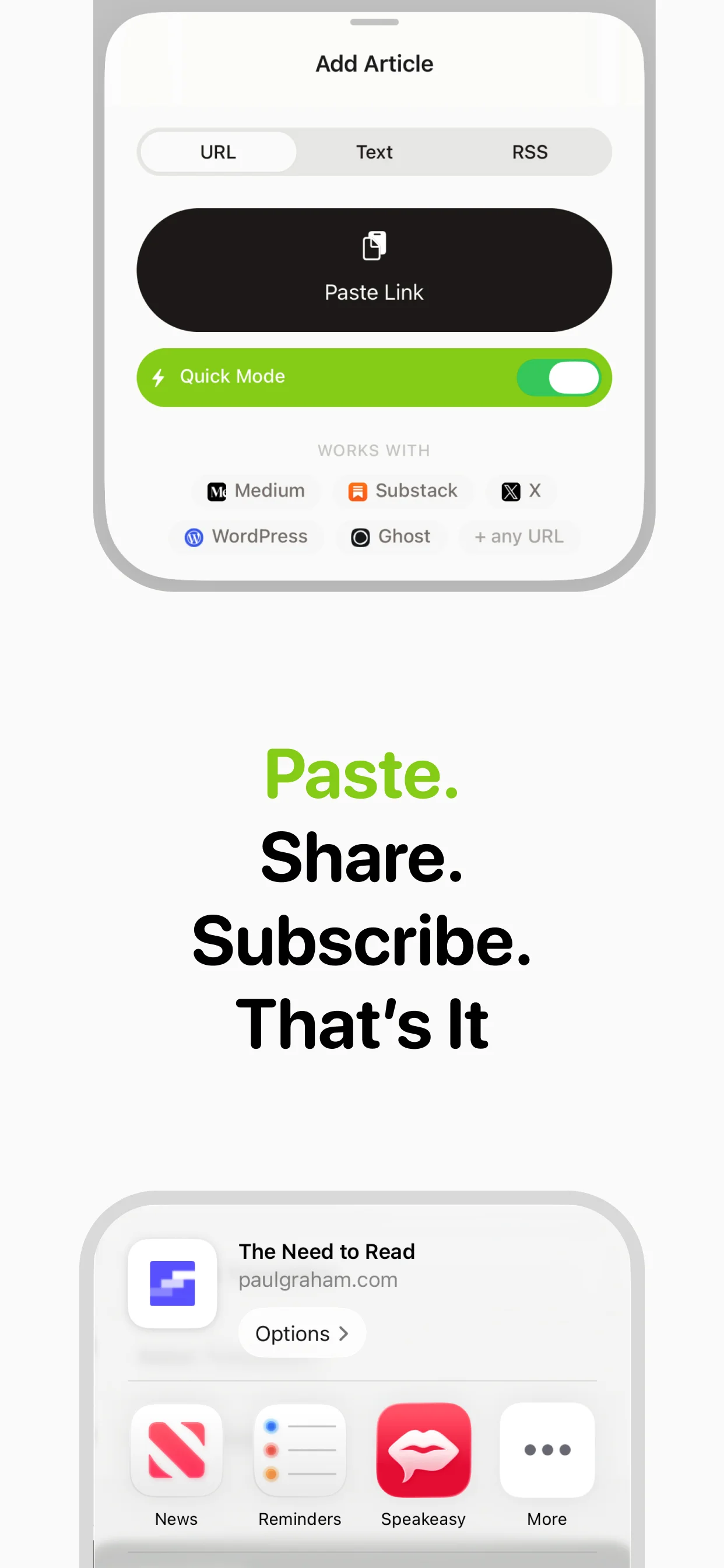
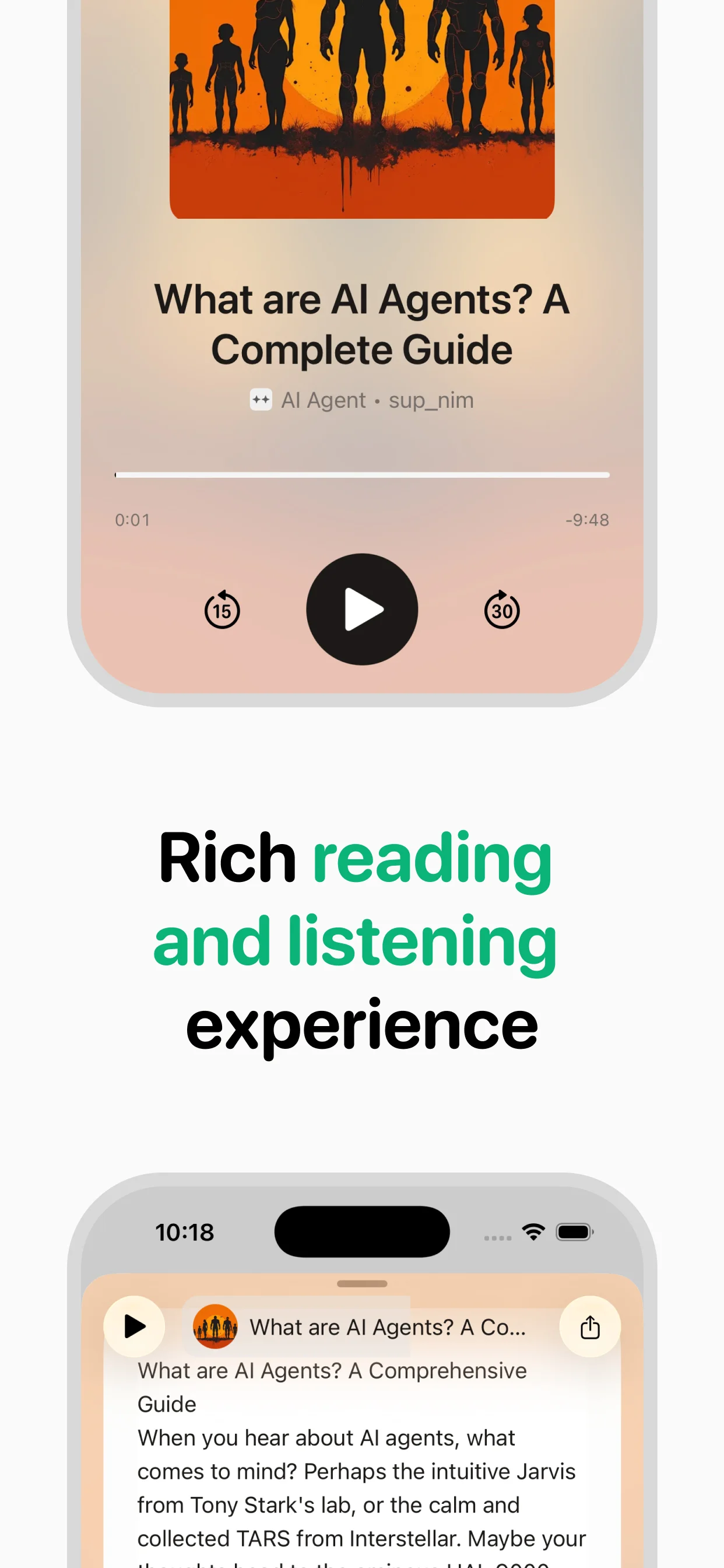
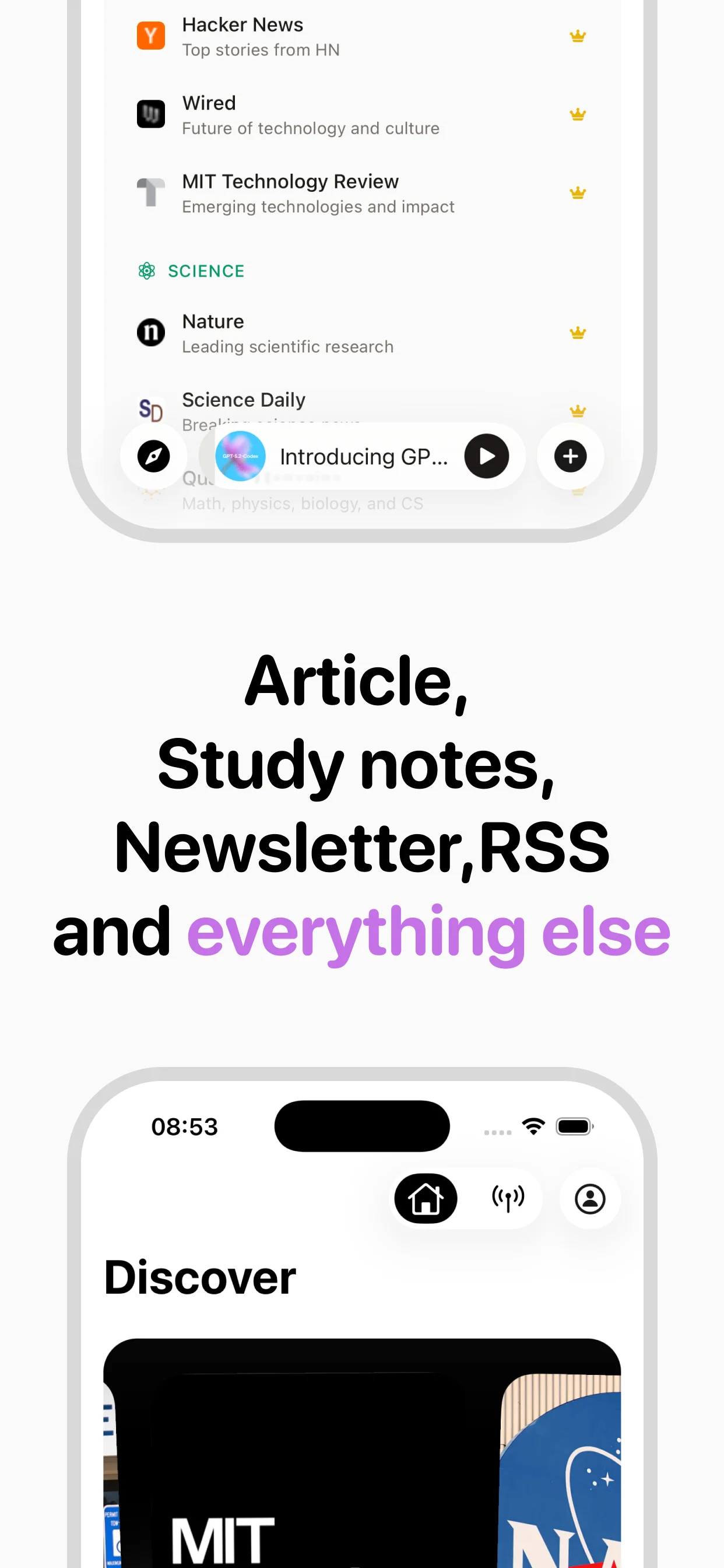
Turn any article into natural-sounding audio. Paste a link, press play, and stay informed while you move.
Coming soon on Android


