
The Great Gatsby by F. Scott Fitzgerald
The definitive portrait of the American Dream's glittering promise and hollow core
Reading time
3-5 hours
Listen with speakeasy
20-35 minutes with speakeasy summary
Summary
Set on Long Island's North Shore during the summer of 1922, The Great Gatsby is narrated by Nick Carraway, a Yale graduate newly arrived from the Midwest who rents a modest cottage next to the mysterious mansion of Jay Gatsby. Gatsby throws extravagant parties each weekend, all in hopes of reuniting with Daisy Buchanan, the woman he loved before the war and lost to wealth and circumstance. Fitzgerald constructs an intricate critique of the American Dream through the collision of old money, new money, and no money — embodied respectively by Tom Buchanan, Gatsby, and the residents of the bleak Valley of Ashes. The novel's lyrical prose and tragic arc expose the moral emptiness lurking beneath the Jazz Age's spectacular excess. Gatsby's obsessive pursuit of a reconstructed past, his belief that enough wealth can reverse time and reclaim lost love, makes him both sympathetic and cautionary. The novel endures as the most precise literary diagnosis of American ambition and disillusionment.
Key takeaways
- The American Dream is often a seductive illusion masking class rigidity and moral corruption
- Old money and new money represent incompatible worlds despite their surface similarities
- Obsession with the past prevents meaningful engagement with the present
- The careless wealthy destroy lives and retreat behind their privilege without consequence
- Fitzgerald uses color and symbol — the green light, the eyes of Dr. T.J. Eckleburg — to create a layered moral landscape
Why listen?
The Great Gatsby has generated a century of literary criticism, cultural essays, and sociological analysis. speakeasy lets you turn insightful long-form writing about Fitzgerald's masterpiece into audio, making it easy to explore the novel's enduring relevance to American society while going about your day.
About The Great Gatsby
Published in 1925 by F. Scott Fitzgerald, The Great Gatsby has become one of the most widely discussed titles in literary fiction. At 180 pages, it's a substantial work that rewards careful attention — but in today's busy world, finding time to sit down with a 180-page book can feel impossible.
That's where speakeasy comes in. While we can't convert entire copyrighted books to audio (that's what audiobooks are for), we can help you engage with the rich ecosystem of content surrounding The Great Gatsby: reviews, summaries, analysis essays, author interviews, and discussion pieces. These articles — often published on Substack, Medium, and literary blogs — provide valuable context and different perspectives on the book's themes.
Why The Great Gatsby endures
Great books continue to generate conversation long after publication, and The Great Gatsby is no exception. F. Scott Fitzgerald's work has inspired countless essays, podcast discussions, and analytical deep-dives that explore its themes from new angles. Whether you've already read the book and want to deepen your understanding, or you're considering whether to pick it up, listening to analysis and reviews is one of the most efficient ways to engage with the ideas.
The literary fiction genre has seen tremendous growth in online discourse, with writers on Substack and Medium regularly publishing thoughtful takes on books like The Great Gatsby. speakeasy lets you convert these articles to audio and listen during your commute, workout, or evening routine — turning any moment into an opportunity to engage with great literature.
The listening advantage for book lovers
Audio content about books serves a different purpose than the books themselves. While audiobooks give you the full text, article audio gives you context, analysis, and multiple perspectives in a fraction of the time. A 20-minute article about The Great Gatsby can surface insights that might take hours of reading to discover on your own.
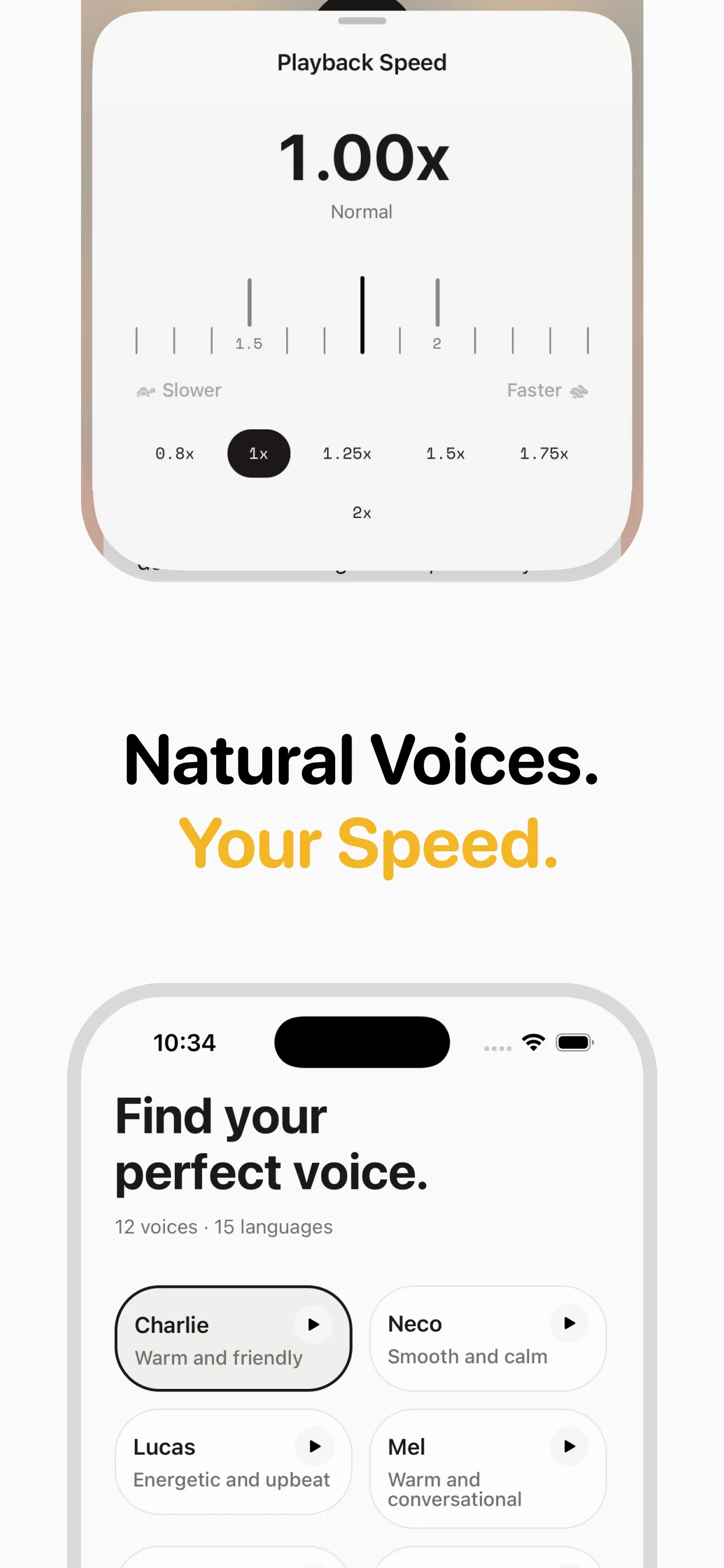
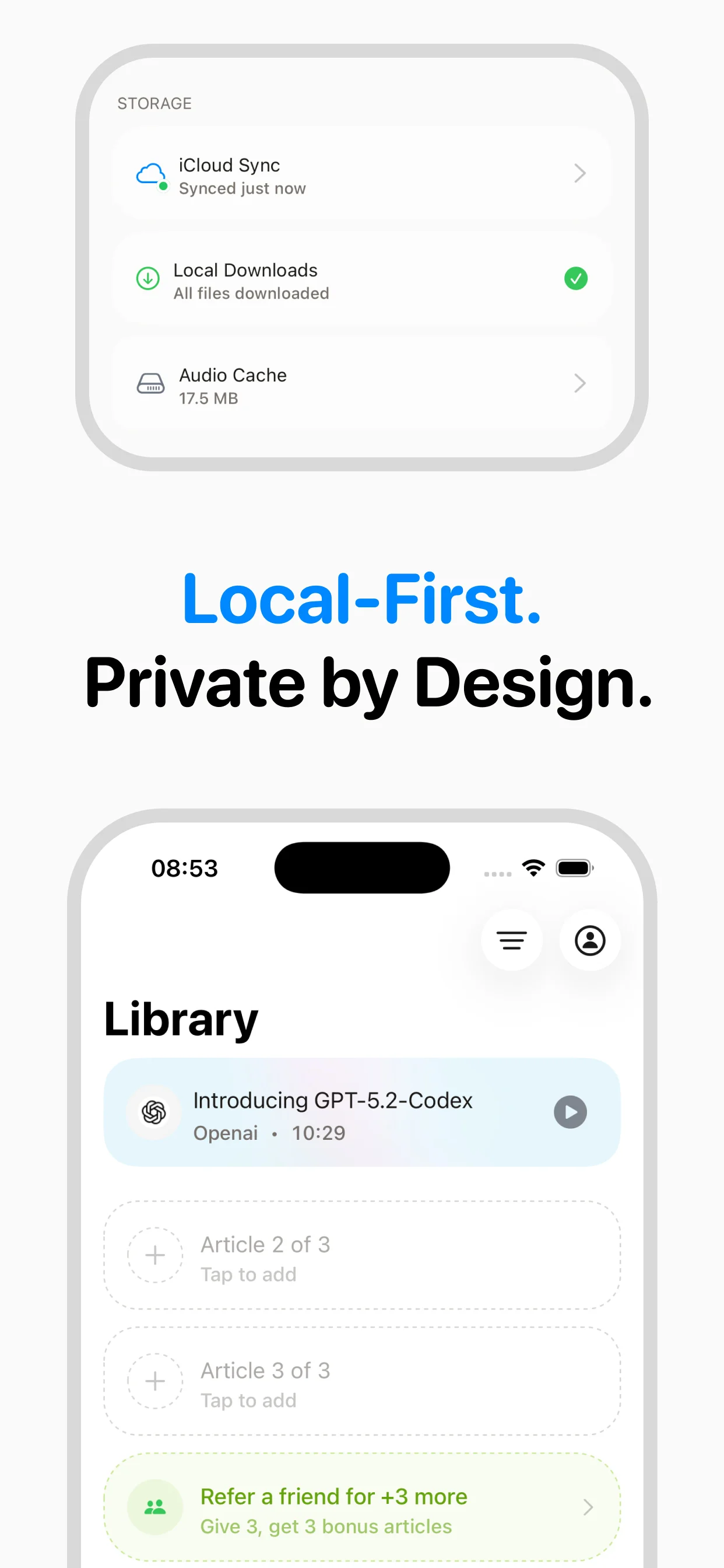
speakeasy's natural AI voices make these articles feel like listening to a knowledgeable friend discuss the book with you. Adjust the playback speed to match your preference — 1.0x for relaxed listening, 1.3x for efficient consumption — and build a personal library of the best literary analysis the web has to offer. Your collection syncs across iPhone and Mac through iCloud, so your reading list is always at your fingertips.
Exploring F. Scott Fitzgerald's wider work
If The Great Gatsby resonated with you, F. Scott Fitzgerald's broader body of work and the essays inspired by it offer even more to explore. Many of the web's best writers have published pieces connecting The Great Gatsby to current events, personal experiences, and other works in literary fiction.
Use speakeasy to build a listening queue around F. Scott Fitzgerald's ideas: start with the most-shared reviews and analysis, then branch out to interviews, opinion pieces, and thematic essays that connect this book to the wider literary conversation. The result is a richer, more nuanced understanding of both the book and the ideas it explores — all consumed during time that would otherwise go unused.
Frequently asked questions

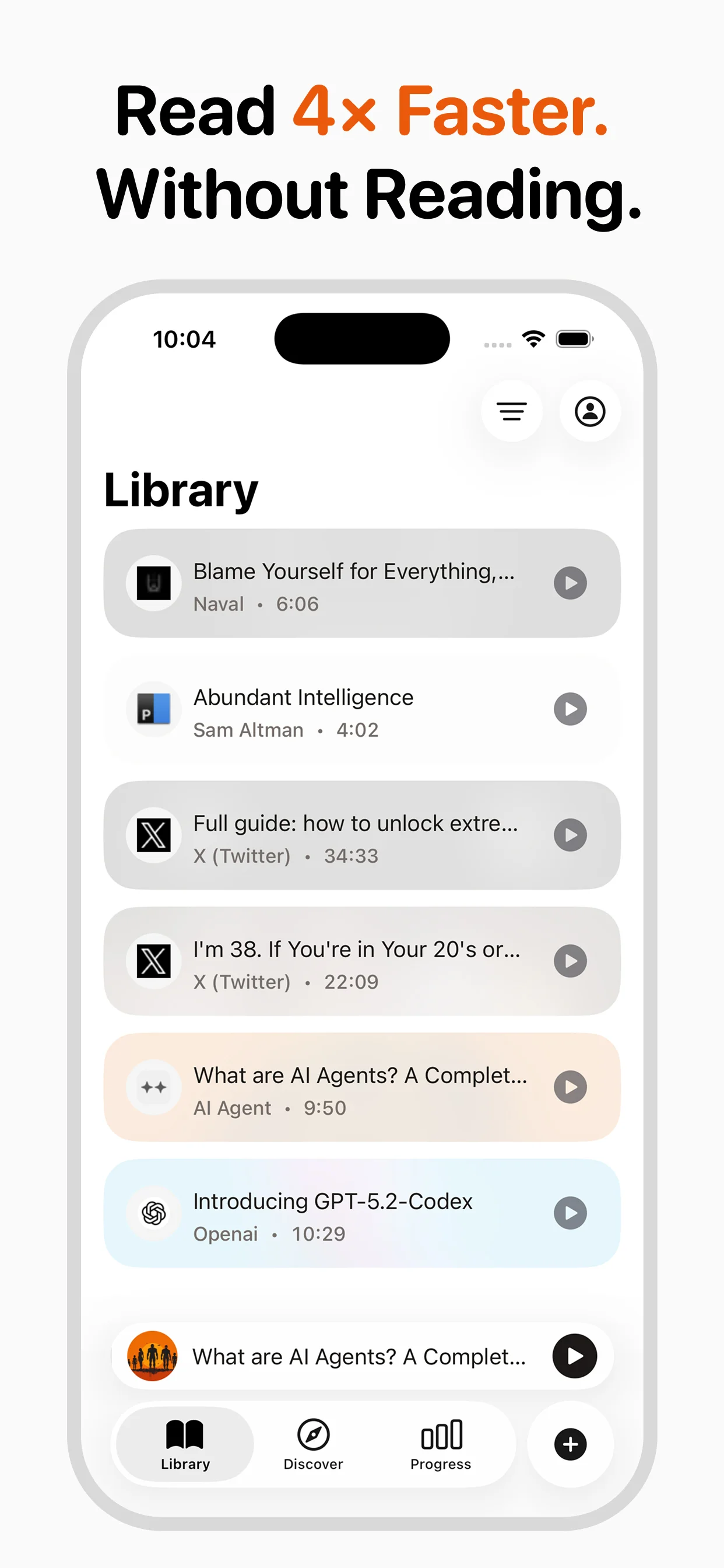
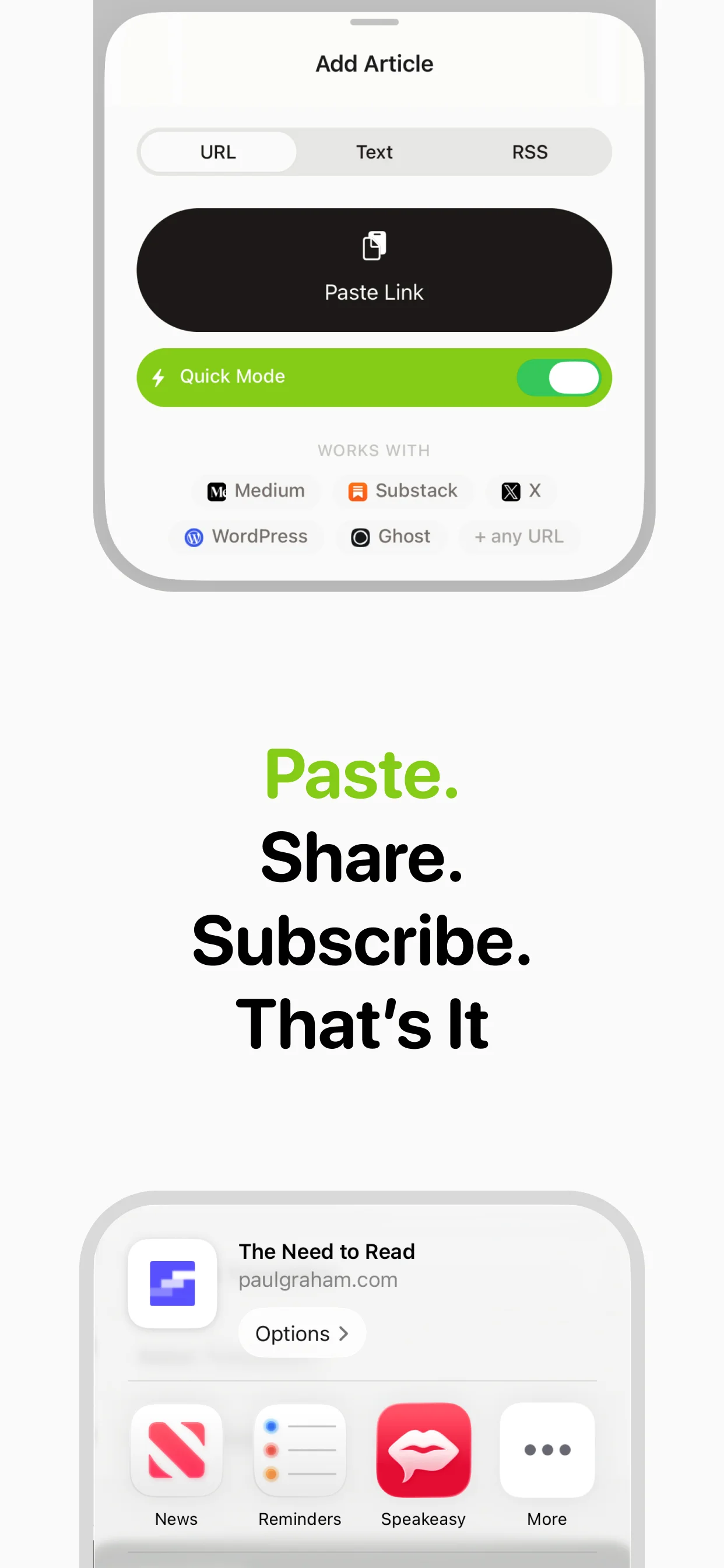
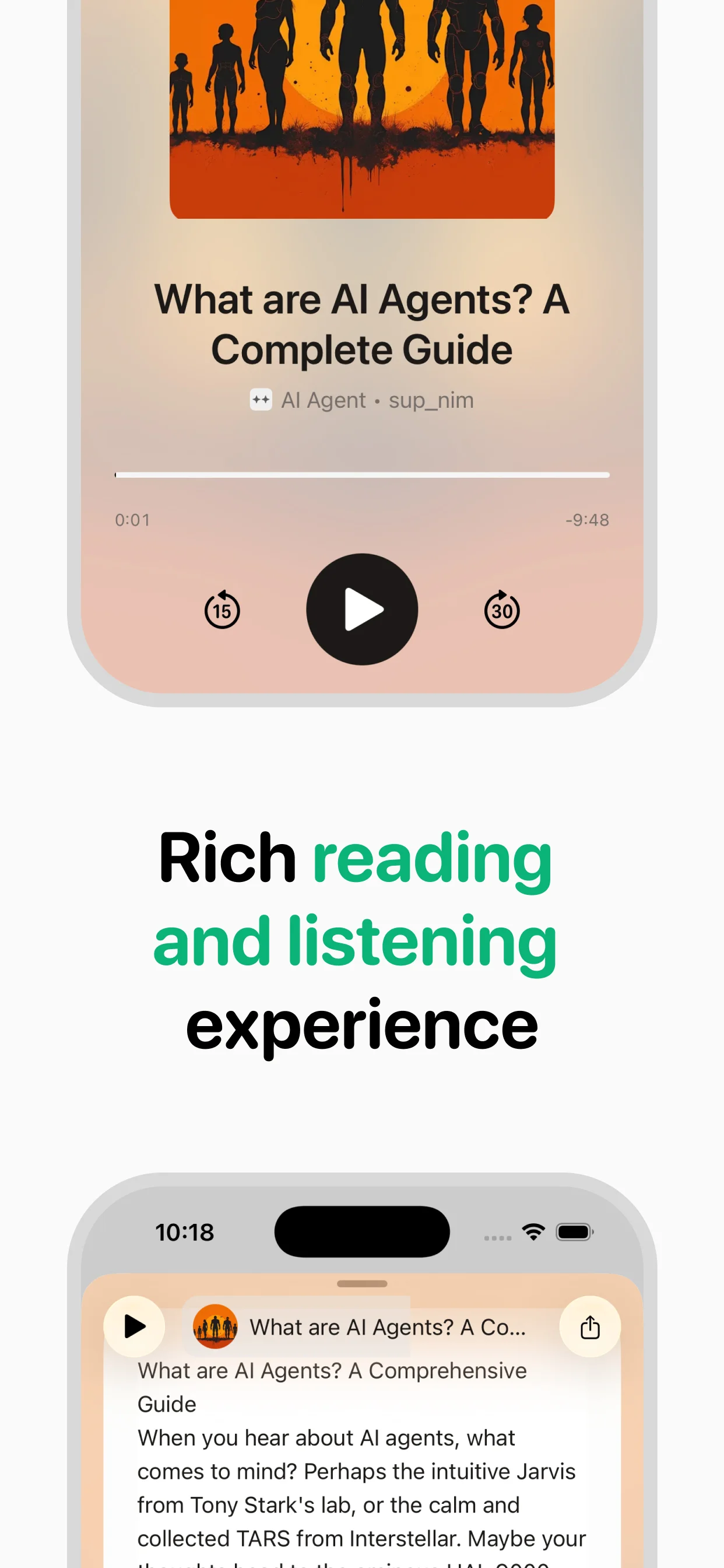
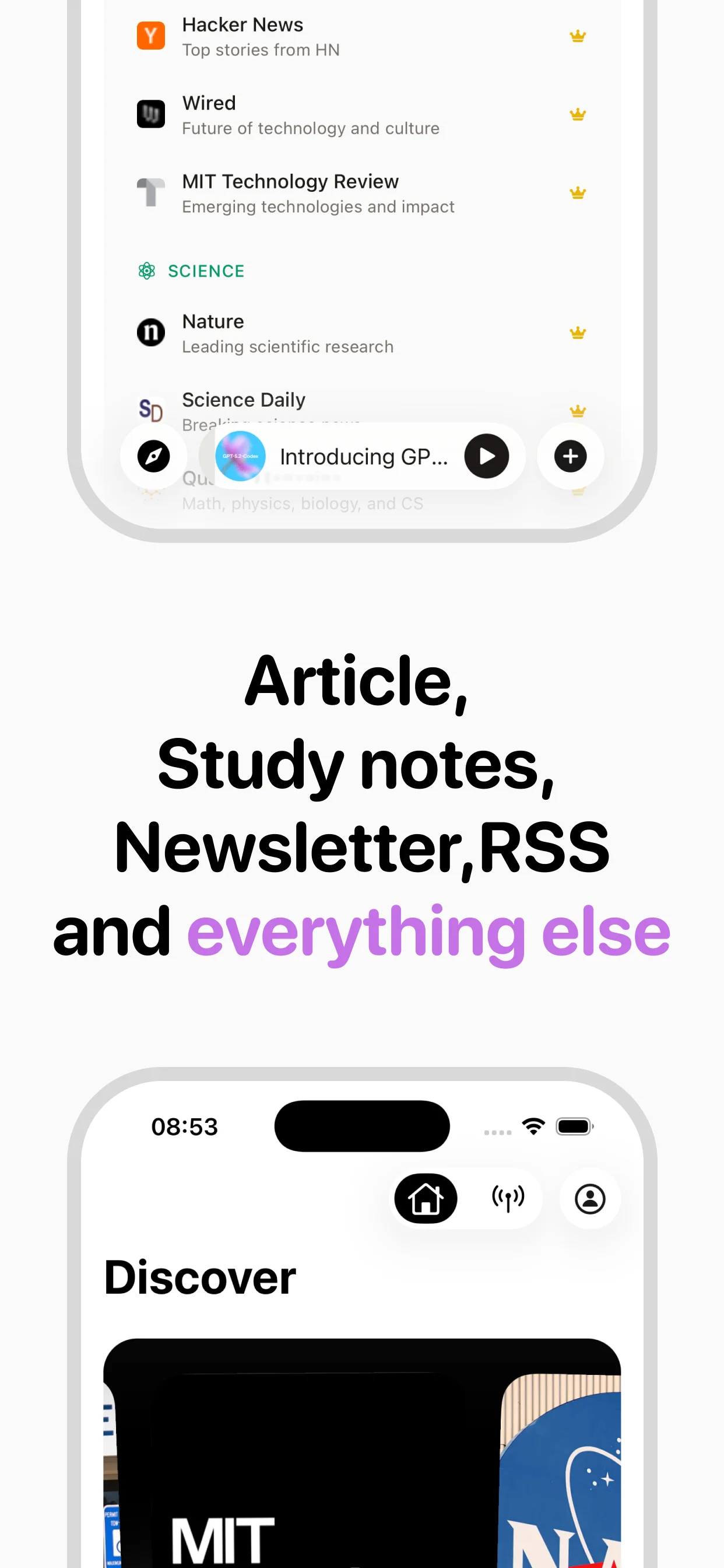
Turn any article into natural-sounding audio. Paste a link, press play, and stay informed while you move.
Coming soon on Android


