
To Kill a Mockingbird by Harper Lee
A timeless exploration of justice, racism, and moral courage in the American South
Reading time
5-7 hours
Listen with speakeasy
20-35 minutes with speakeasy summary
Summary
Set in the fictional Alabama town of Maycomb during the 1930s, To Kill a Mockingbird is narrated by young Scout Finch as she watches her father, lawyer Atticus Finch, defend Tom Robinson, a Black man falsely accused of raping a white woman. Through Scout's eyes, Lee examines the deep-rooted racial injustice and social inequality of the American South with both clarity and compassion. The novel weaves together the children's fascination with their reclusive neighbor Boo Radley and the sobering courtroom drama that forces the community to confront its own prejudices. Atticus becomes a moral touchstone — a man who insists on defending the innocent even when the outcome is predetermined by systemic racism. Winner of the Pulitzer Prize in 1961, the novel remains one of the most assigned and debated works in American literature, celebrated for its empathetic portrayal of childhood innocence confronting adult moral failure.
Key takeaways
- Moral courage means doing the right thing even when you know you will lose
- Racial injustice is systemic and requires active resistance, not passive decency
- Childhood innocence provides a powerful lens for exposing adult hypocrisy
- Empathy — the ability to climb inside another's skin — is the foundation of justice
- Social conformity can be as destructive as overt prejudice
Why listen?
Essays and criticism about To Kill a Mockingbird explore how the novel reshaped conversations about race, justice, and American identity. Listening to these analyses on speakeasy lets you absorb decades of literary scholarship and cultural commentary during your commute or downtime, deepening your understanding far beyond the text itself.
About To Kill a Mockingbird
Published in 1960 by Harper Lee, To Kill a Mockingbird has become one of the most widely discussed titles in literary fiction. At 281 pages, it's a substantial work that rewards careful attention — but in today's busy world, finding time to sit down with a 281-page book can feel impossible.
That's where speakeasy comes in. While we can't convert entire copyrighted books to audio (that's what audiobooks are for), we can help you engage with the rich ecosystem of content surrounding To Kill a Mockingbird: reviews, summaries, analysis essays, author interviews, and discussion pieces. These articles — often published on Substack, Medium, and literary blogs — provide valuable context and different perspectives on the book's themes.
Why To Kill a Mockingbird endures
Great books continue to generate conversation long after publication, and To Kill a Mockingbird is no exception. Harper Lee's work has inspired countless essays, podcast discussions, and analytical deep-dives that explore its themes from new angles. Whether you've already read the book and want to deepen your understanding, or you're considering whether to pick it up, listening to analysis and reviews is one of the most efficient ways to engage with the ideas.
The literary fiction genre has seen tremendous growth in online discourse, with writers on Substack and Medium regularly publishing thoughtful takes on books like To Kill a Mockingbird. speakeasy lets you convert these articles to audio and listen during your commute, workout, or evening routine — turning any moment into an opportunity to engage with great literature.
The listening advantage for book lovers
Audio content about books serves a different purpose than the books themselves. While audiobooks give you the full text, article audio gives you context, analysis, and multiple perspectives in a fraction of the time. A 20-minute article about To Kill a Mockingbird can surface insights that might take hours of reading to discover on your own.
speakeasy's natural AI voices make these articles feel like listening to a knowledgeable friend discuss the book with you. Adjust the playback speed to match your preference — 1.0x for relaxed listening, 1.3x for efficient consumption — and build a personal library of the best literary analysis the web has to offer. Your collection syncs across iPhone and Mac through iCloud, so your reading list is always at your fingertips.
Exploring Harper Lee's wider work
If To Kill a Mockingbird resonated with you, Harper Lee's broader body of work and the essays inspired by it offer even more to explore. Many of the web's best writers have published pieces connecting To Kill a Mockingbird to current events, personal experiences, and other works in literary fiction.
Use speakeasy to build a listening queue around Harper Lee's ideas: start with the most-shared reviews and analysis, then branch out to interviews, opinion pieces, and thematic essays that connect this book to the wider literary conversation. The result is a richer, more nuanced understanding of both the book and the ideas it explores — all consumed during time that would otherwise go unused.
Frequently asked questions



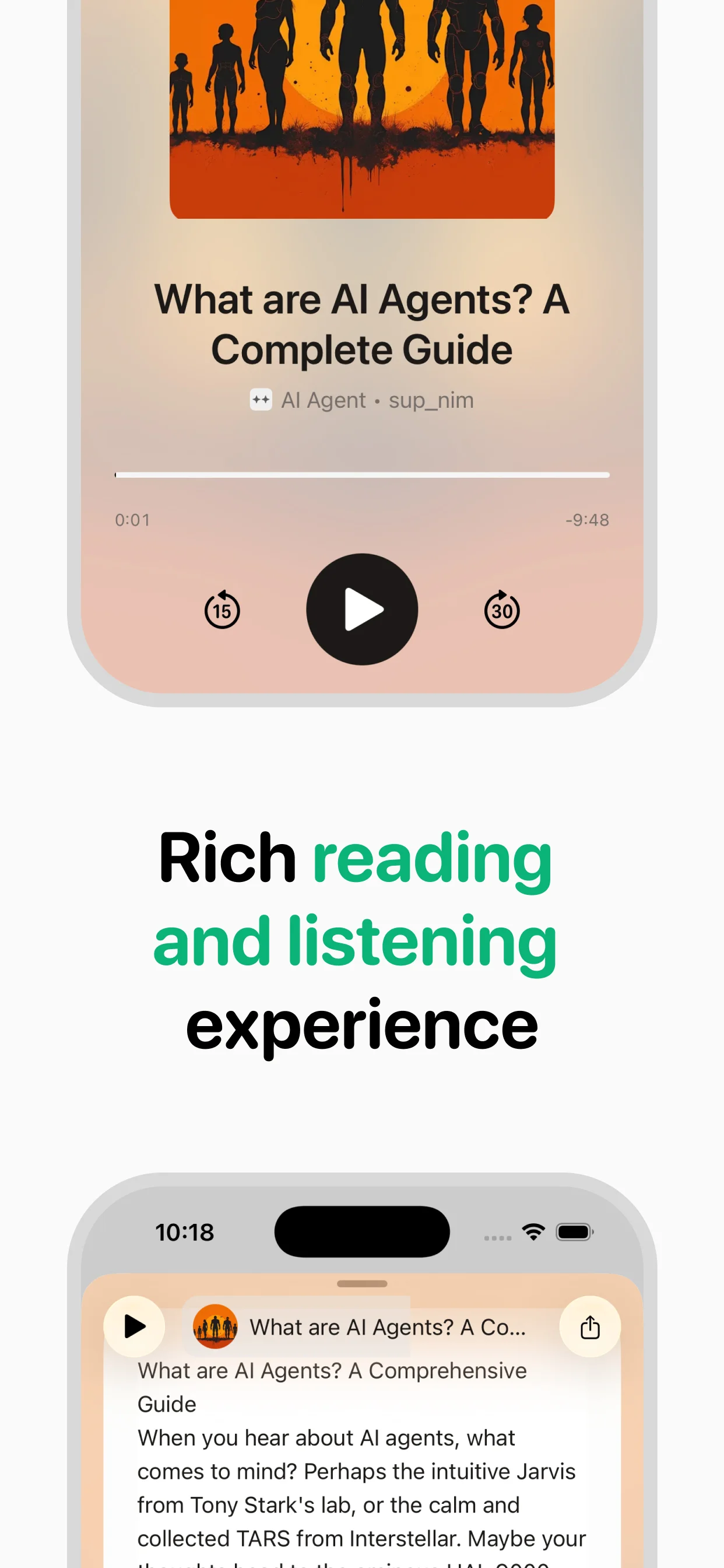


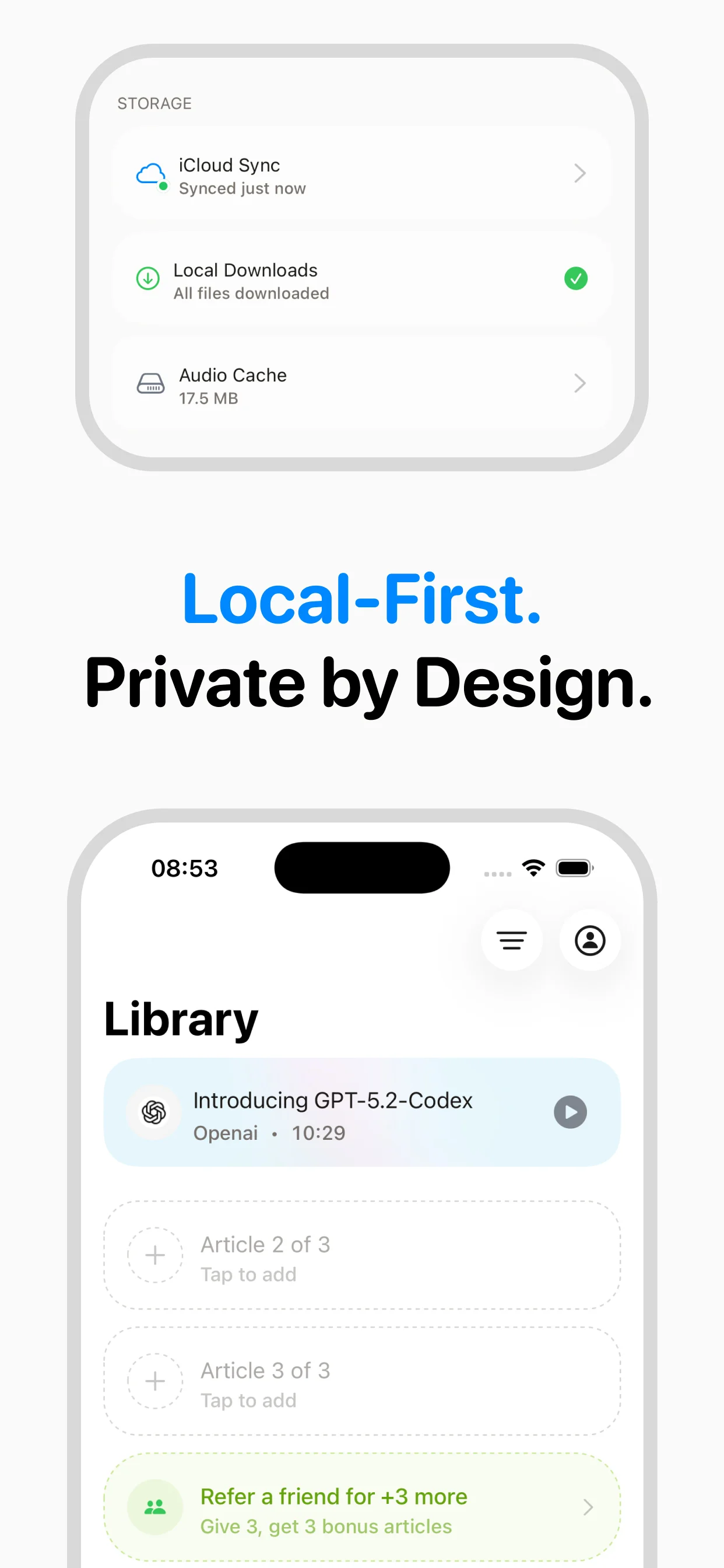
Turn any article into natural-sounding audio. Paste a link, press play, and stay informed while you move.
Coming soon on Android


