Free vs Premium Text to Speech: Is It Worth Upgrading?
Understand exactly what the free tier offers and when premium pays for itself
Text-to-speech apps typically gate their best features behind a paywall, but the right upgrade decision depends entirely on how much you listen. speakeasy's free tier gives you a meaningful weekly allowance of article conversions — enough to build the habit and verify the quality. If you find yourself hitting the limit or wanting to listen to more, the premium upgrade unlocks unlimited conversions at a cost that is a fraction of a single audiobook. This guide helps you honestly assess whether your listening habits justify the upgrade. This guide walks you through everything you need to know, from the basic setup to advanced tips that most users miss. Whether you're new to text-to-speech or looking to optimize your existing workflow, following these steps will help you get the most out of speakeasy and save significant time in the process.
Steps
Start with the free tier and track your usage
Use speakeasy's free plan for two to four weeks. Note how often you hit the weekly article limit and how frequently you wish you could convert more. Your real usage pattern is the best data point for the upgrade decision.
Calculate the value of your time
If speakeasy lets you consume three additional articles per week that you would otherwise not read, consider the value of that information. For professionals, knowledge workers, and students, the value of staying current far exceeds the cost of a monthly subscription.
Upgrade and access unlimited conversions
Premium speakeasy removes the weekly conversion limit so you can convert as many articles as your listening schedule allows. Power users who batch-convert newsletters, research papers, and blogs daily will recoup the subscription value immediately.
Why this matters
Understanding how to free vs premium text to speech: is it worth upgrading? isn't just about following a checklist — it's about fundamentally changing how you consume content. Most people spend 2-3 hours daily reading articles, newsletters, and blog posts on their phones. Converting that reading time to listening time opens up hours of productivity you didn't know you had.
The process is simpler than you might think: Start with the free tier and track your usage → Calculate the value of your time → Upgrade and access unlimited conversions. Once you've done it a few times, it becomes second nature, and you'll wonder how you ever managed without it. speakeasy handles the technical complexity behind the scenes, so you can focus on the content rather than the conversion process.
Common mistakes to avoid
When learning to free vs premium text to speech: is it worth upgrading?, there are a few pitfalls worth knowing about upfront. First, don't try to convert everything at once — start with a few articles you're genuinely interested in, and build your listening habit gradually. Second, make sure you're using the right voice and speed settings for the type of content you're converting.
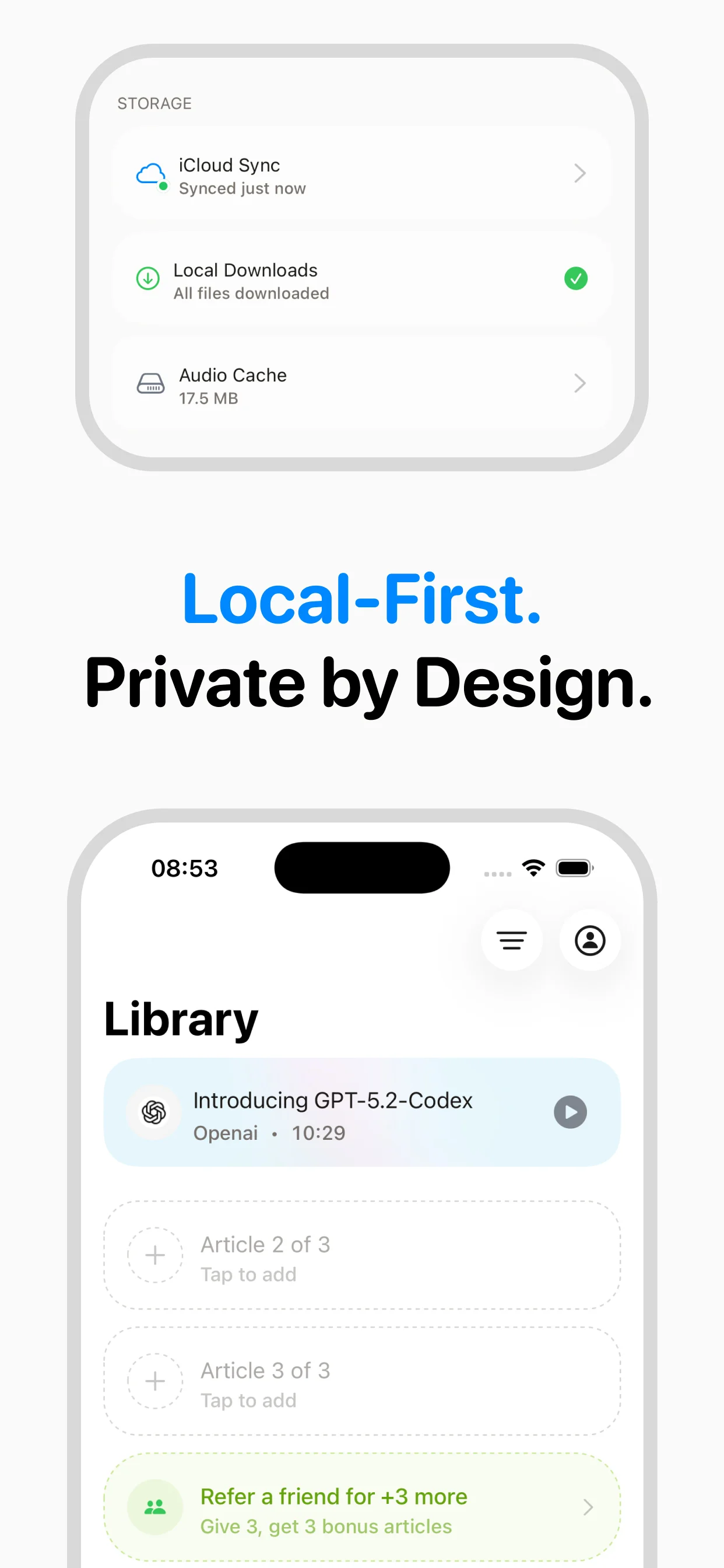
Another common mistake is not taking advantage of speakeasy's iCloud sync. Your audio library syncs automatically between iPhone and Mac, which means you can queue articles on one device and listen on another. This is especially useful for articles you discover on your desktop but want to listen to during your commute.
Advanced tips for power users
Once you've mastered the basics, here are some ways to level up your workflow. Use the iOS share sheet to send articles directly from Safari, Twitter, or any other app to speakeasy — no need to copy-paste URLs. Set up a dedicated listening time each day, and queue articles the night before so your library is ready to go.
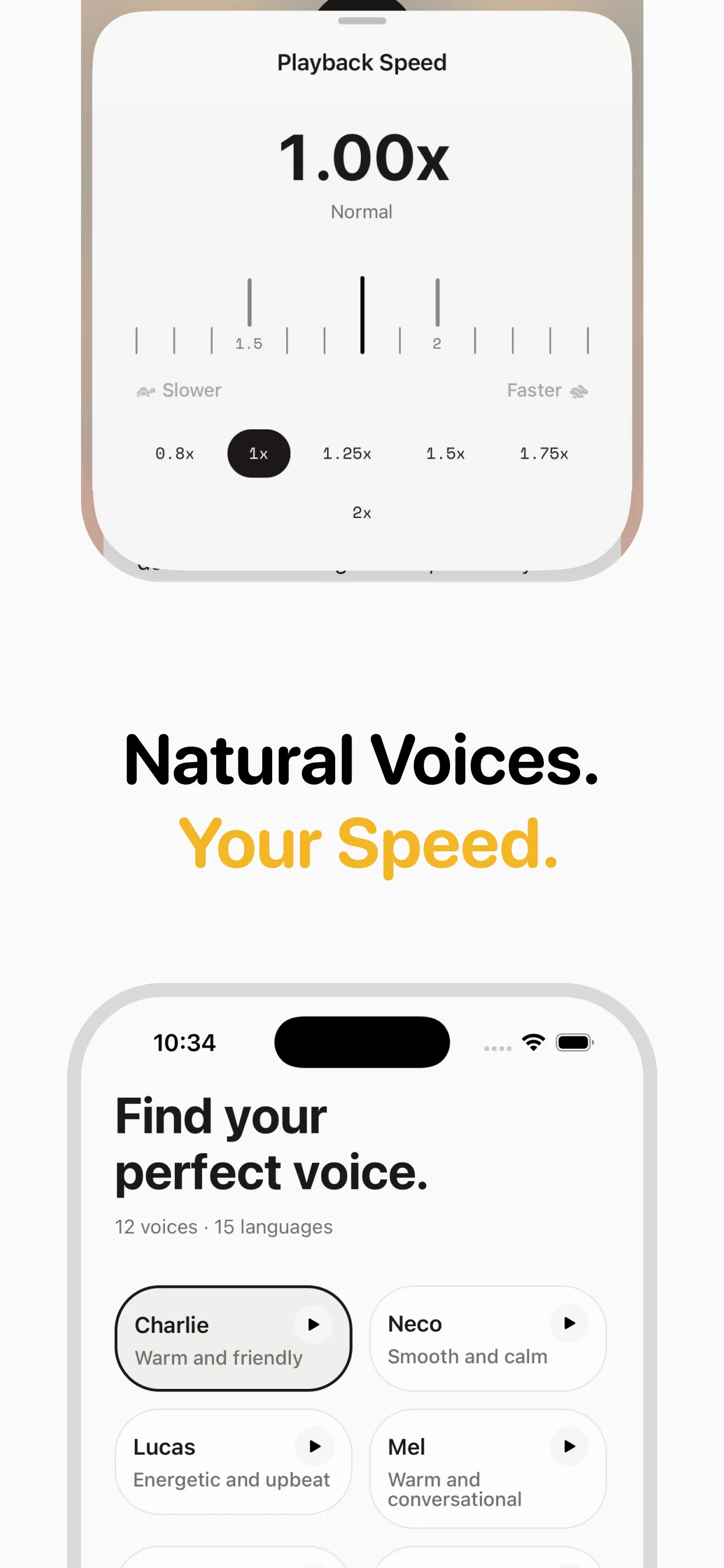
Experiment with different playback speeds for different content types: news articles work well at 1.5-2x, while technical or philosophical content benefits from 1.0-1.2x. You can also use speakeasy's voice preview feature to find the perfect voice for each type of content. Many power users maintain separate mental categories — a deep voice for serious analysis, a lighter voice for casual blog posts.
Getting the best results
The quality of your audio depends on several factors that are worth optimizing. speakeasy works best with well-structured articles that have clear paragraphs and headings. Most blog posts, newsletters, and news articles convert beautifully. Extremely visual content (infographics, charts-heavy pieces) may lose some context in audio form, but the text content still converts well.
For the best listening experience, use headphones or earbuds — the nuance in speakeasy's AI voices is more apparent with direct audio delivery. If you're listening through phone speakers, you might miss subtle intonation that makes the experience feel natural. Finally, don't forget to rate and organize articles in your library — this helps you build a personal audio archive you can revisit anytime.
Key takeaways
- The setup process takes less than a minute once you know the steps
- Start with content you're already interested in to build the listening habit
- Use iCloud sync to seamlessly move between iPhone and Mac
- Experiment with playback speed to find your optimal listening pace
- The iOS share sheet is the fastest way to convert articles
Tips
- If you hit the free limit in the first week, that is a strong signal that premium will pay off quickly for your habits.
- Compare the monthly subscription cost to one audiobook — if you listen to more than one article's worth of content per week, premium is better value.
- Premium also ensures priority processing, so your articles convert faster during high-demand periods.
Frequently asked questions

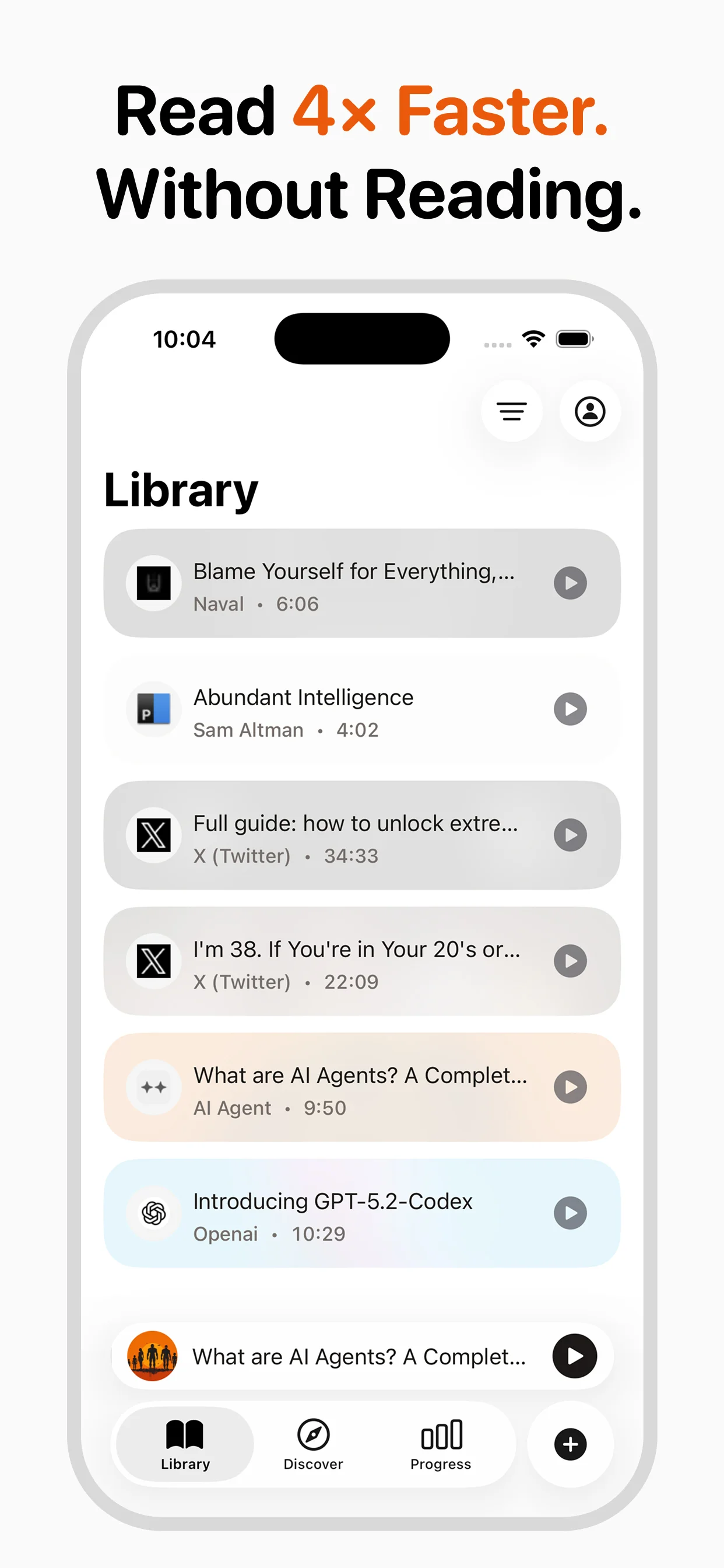
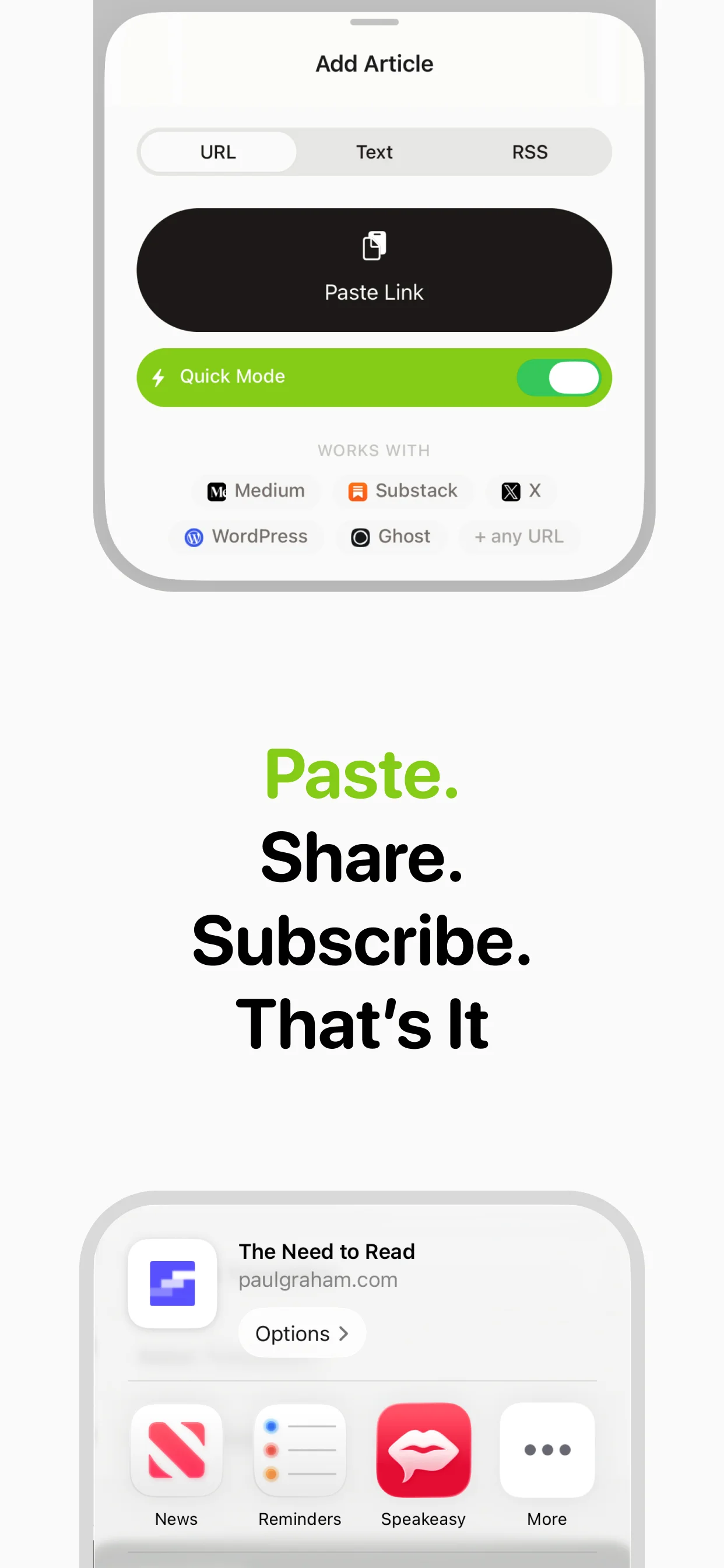
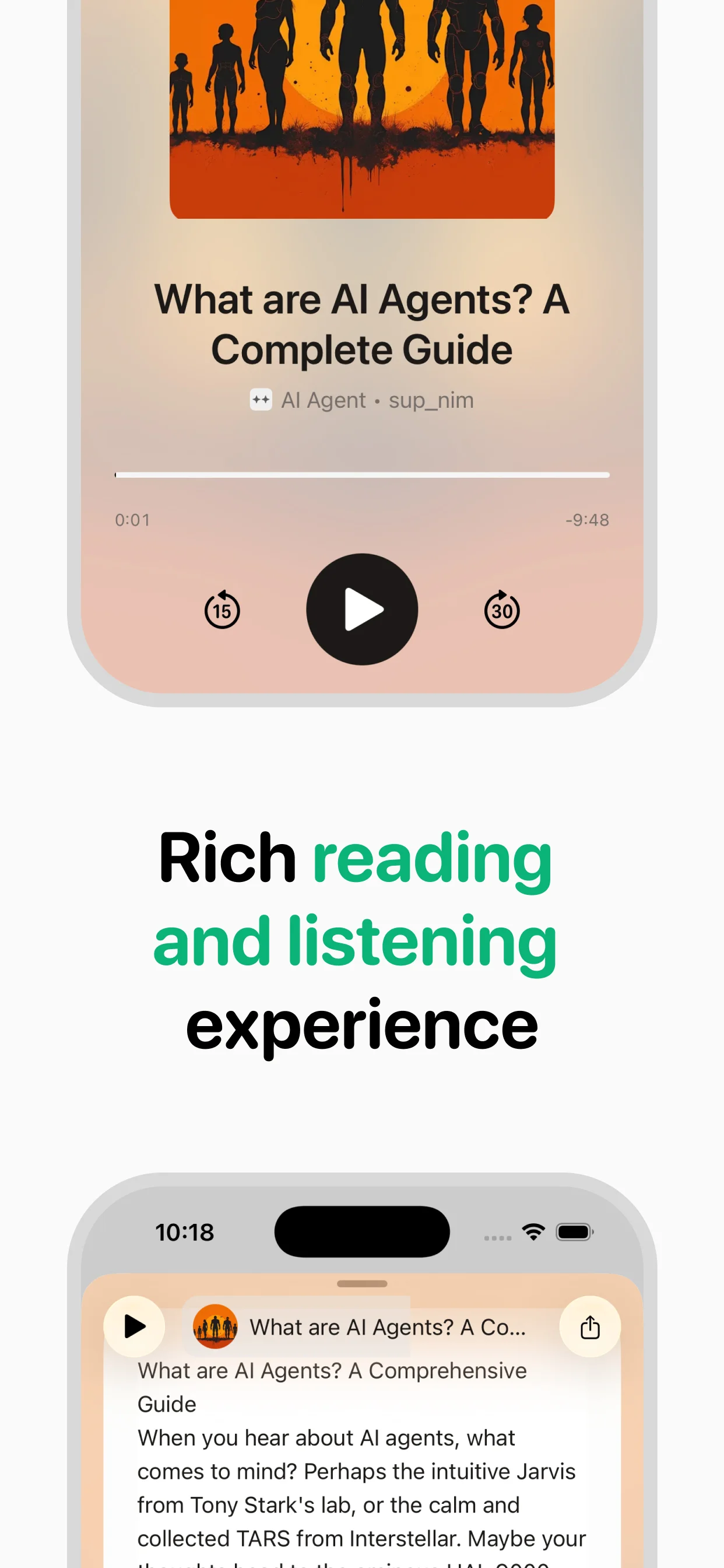
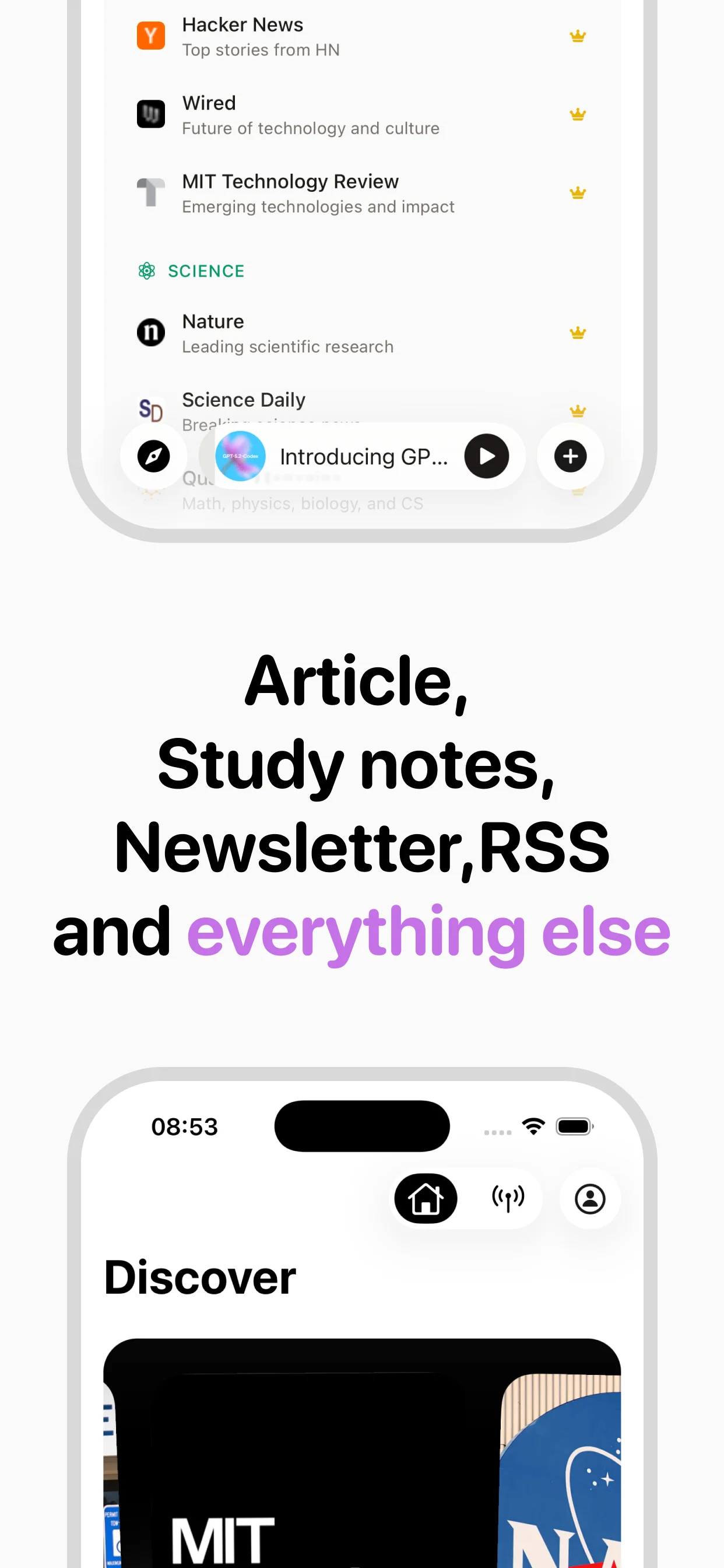
Turn any article into natural-sounding audio. Paste a link, press play, and stay informed while you move.
Coming soon on Android