The Best Curio Alternative for Article Listening
Listen to any article. Not just what editors pick.
 speakeasy
Curio, formerly known as Noa, has carved out a distinctive niche in the audio article space by partnering directly with premium publishers like The Guardian, Financial Times, Bloomberg, and The Economist. Their model is editorial curation with professional human narration, and the results are polished and broadcast-quality. If you want a curated daily briefing from top-tier journalism outlets, Curio delivers an experience that no AI voice can fully replicate. However, this model comes with an inherent limitation: you can only listen to articles that Curio has chosen to narrate. Your personal reading list, favorite indie blogs, Substack newsletters, Twitter threads, and niche publications are all outside Curio's scope. speakeasy takes the opposite approach. Instead of curating content for you, it lets you bring any URL from anywhere on the web and converts it to audio using InWorld neural AI voices. The trade-off is clear: Curio offers polish and curation from select publishers, while speakeasy offers flexibility and immediacy from any source. For readers with diverse interests that extend beyond mainstream journalism, speakeasy's open approach provides far greater value.
Curated vs. Open: Two Philosophies of Audio Articles
The fundamental difference between Curio and speakeasy is philosophical. Curio believes that the best audio article experience comes from editorial selection and professional narration. They choose articles from partner publications, hire voice actors to narrate them, and deliver a finished product that resembles a radio program or podcast. speakeasy believes the best experience comes from giving you the tools to listen to whatever you want, whenever you want. You choose the articles. The AI handles the narration. Your library is entirely yours to curate. Neither approach is objectively better. Curio's model produces consistently high-quality output from a limited catalog. speakeasy's model gives you unlimited flexibility with voices that are very good but not human-narrated. The right choice depends on whether you prefer having content selected for you or selecting it yourself.
The Speed and Flexibility Advantage
One practical limitation of Curio's model is timing. Because articles must be selected by editors and then narrated by professional voice actors, there is an inherent delay between when an article is published and when it becomes available on Curio. Breaking news and time-sensitive content may take days to appear, if it appears at all. speakeasy converts any URL to audio in seconds. When a must-read article drops on your Twitter timeline, you can be listening to it within a minute. When a Substack newsletter hits your inbox, you share it to speakeasy and it is ready for your commute. This immediacy matters for readers who want to stay current with rapidly evolving conversations and who read content from sources that Curio's editorial partnerships do not cover.
Voice Quality: Human vs. Neural AI
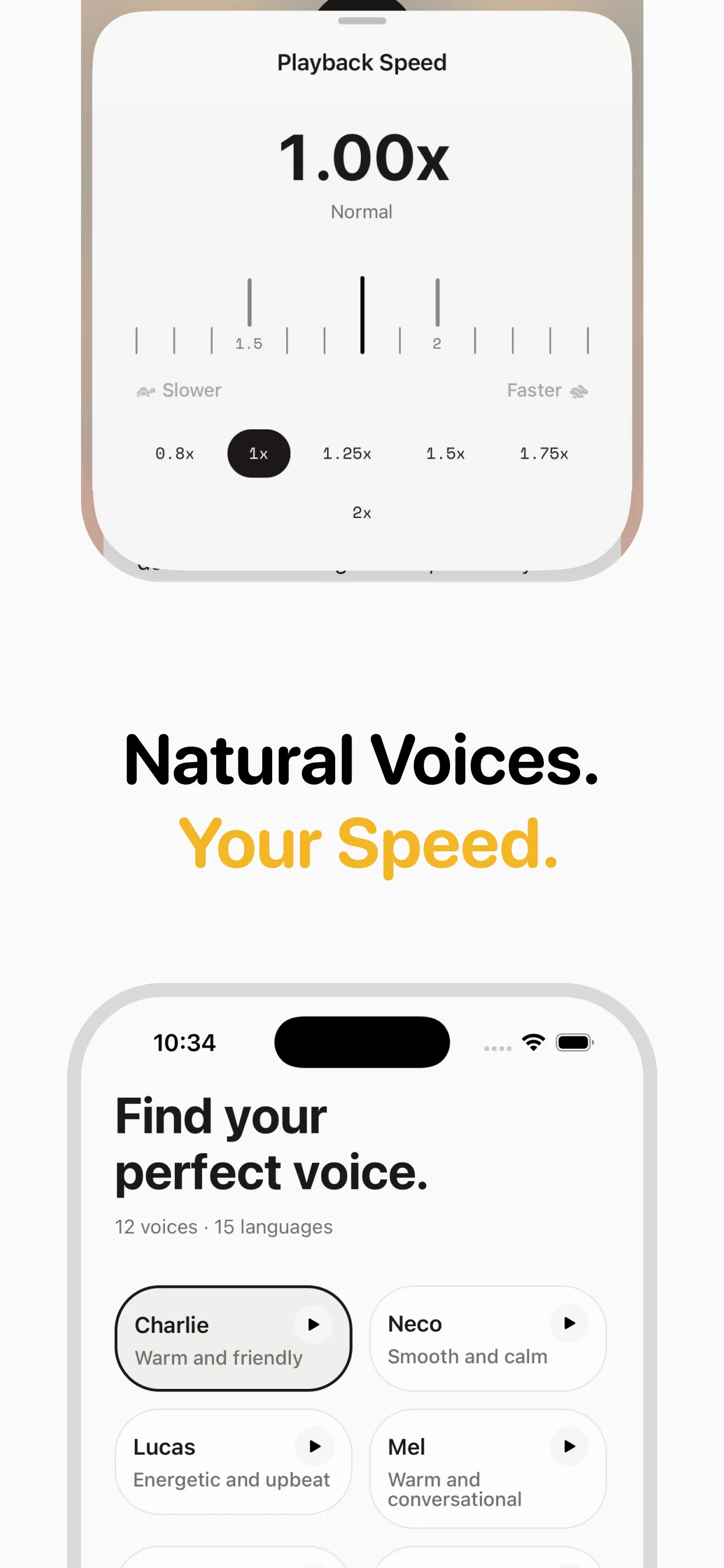
Curio's professional narrators are its strongest differentiator. A skilled human narrator brings emotional nuance, journalistic emphasis, and a polished delivery that current AI voices cannot fully match, particularly for long-form investigative pieces and opinion essays. This is a genuine advantage that deserves honest acknowledgment. That said, the gap between human narration and neural AI voices has narrowed dramatically. speakeasy's InWorld voices handle articles with natural pacing, appropriate intonation, and consistent quality across content of any length. For most everyday articles, blog posts, and newsletters, the listening experience is excellent and far closer to human narration than the robotic TTS of even a few years ago. The more relevant question for most users is whether the quality premium of human narration justifies being limited to a curated selection of articles, or whether the flexibility of listening to anything with very good AI voices is the better trade-off.
Getting the Most from Both Approaches
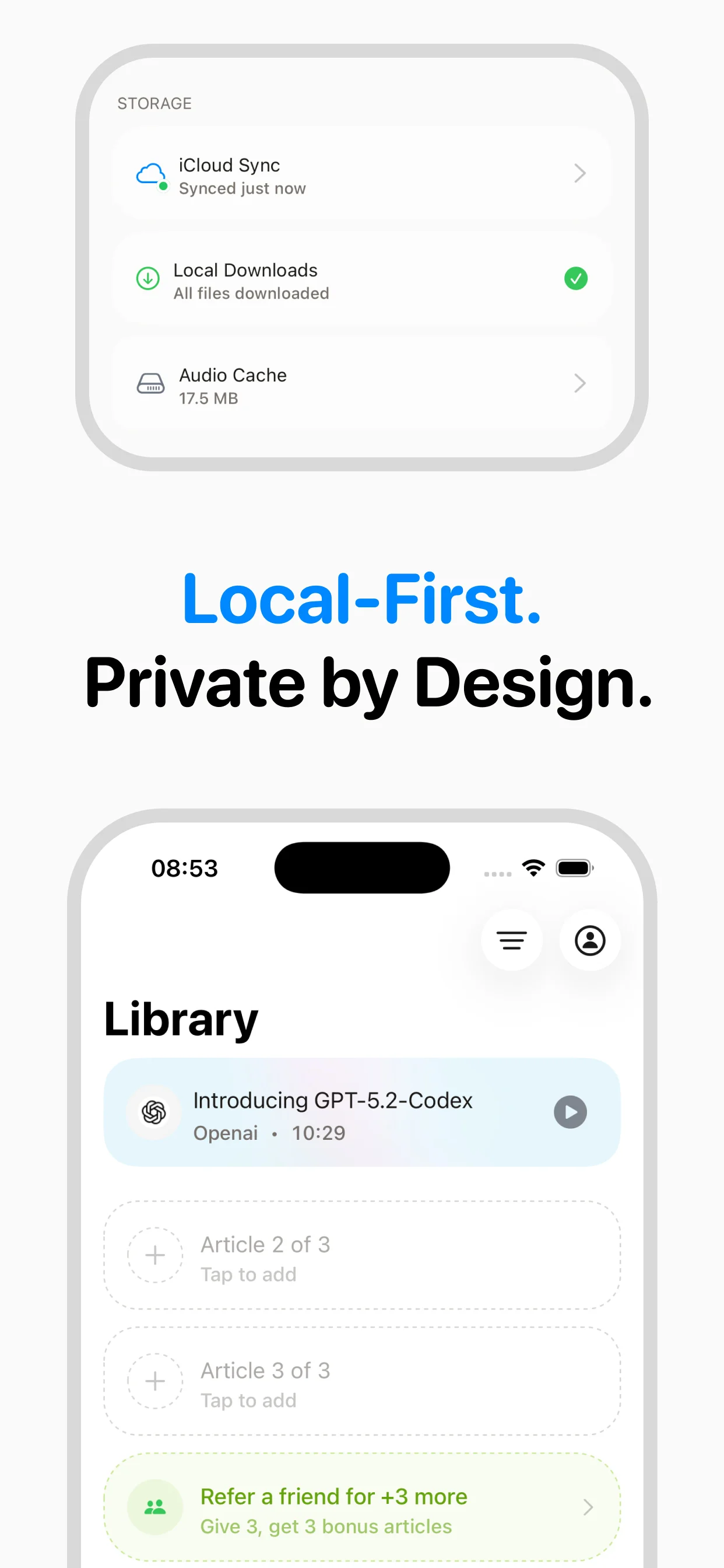
For users with the budget, Curio and speakeasy can work well together. Use Curio for its curated daily briefings from premium publishers, especially for long-form journalism where professional narration adds real value. Use speakeasy for everything else: your personal reading list, newsletters, blog posts, Twitter threads, and any article Curio does not cover. speakeasy's RSS feed support and iCloud sync make it easy to maintain a personal listening queue alongside Curio's editorial feed. At roughly the same monthly price, each app covers a distinct part of the audio article landscape. If you need to choose one, the decision comes down to content sources. If you primarily read articles from major publishers that Curio covers, their curated experience is hard to beat. If your reading spans a wider range of sources and you value the freedom to listen to anything, speakeasy provides more daily utility.
Why switch from Curio?
Feature comparison
Curio's limitations
Frequently asked questions
Verdict
Curio is excellent if you want editorially curated journalism from premium publishers. But if you want to listen to articles you find yourself — from any blog, newsletter, or publication — speakeasy is more flexible at the same price. Most article readers have diverse sources, and speakeasy doesn't limit you to a curated feed.
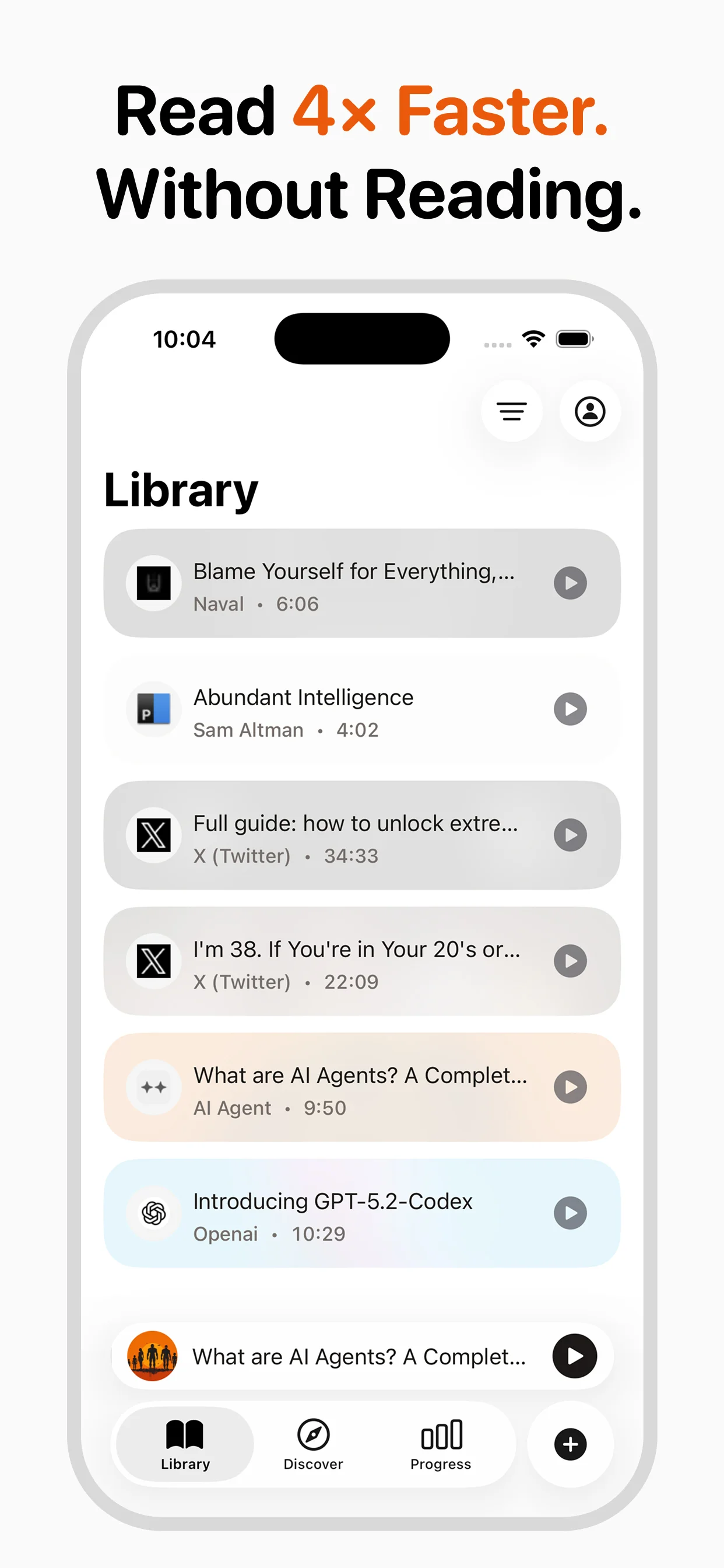
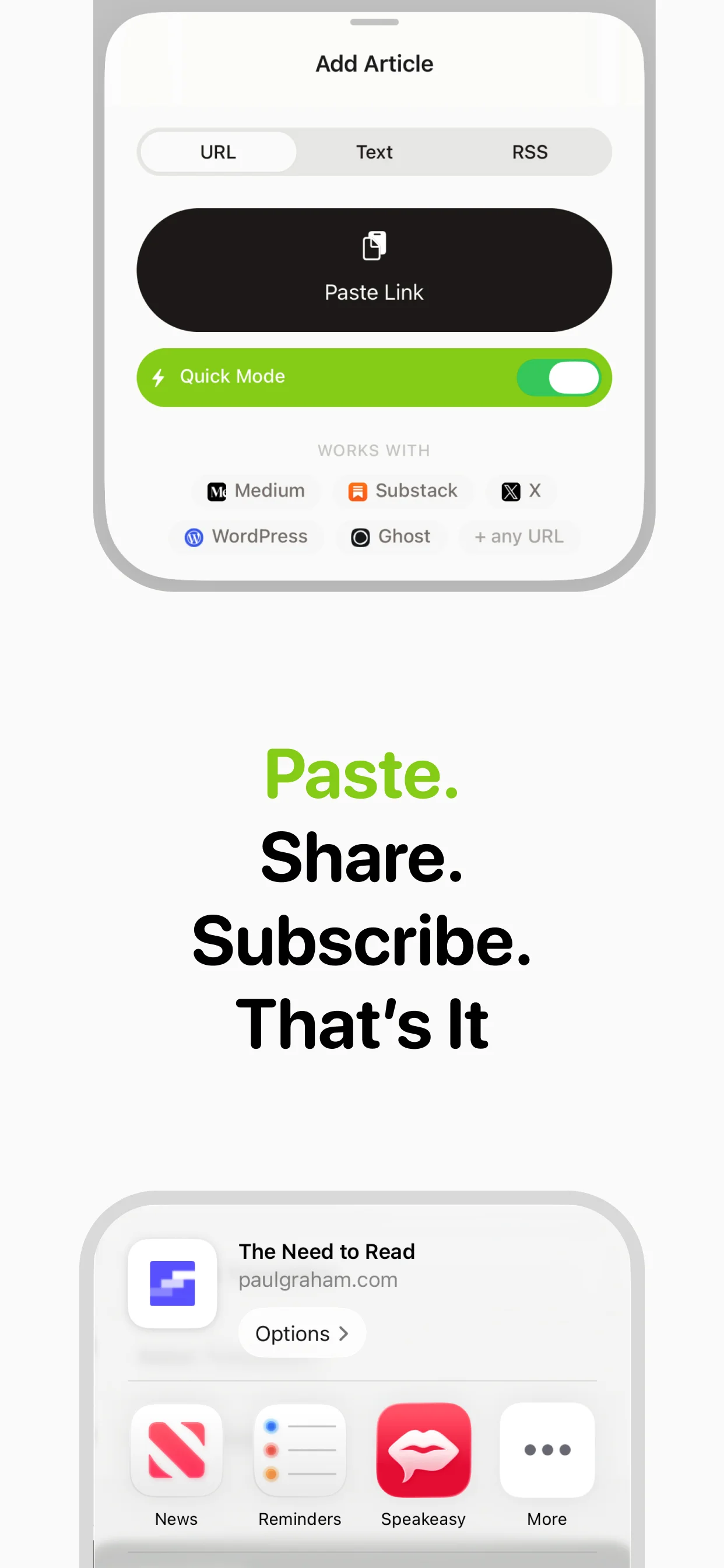
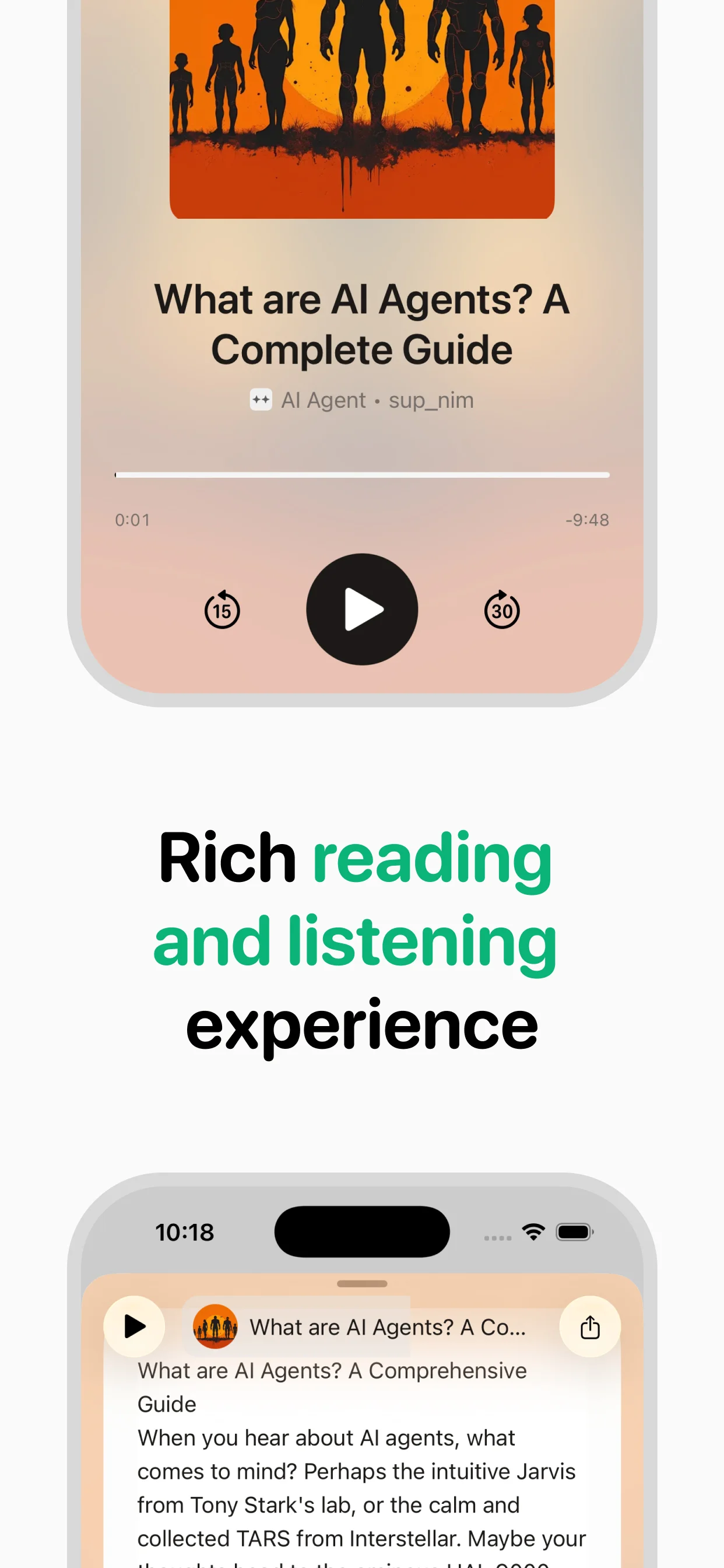
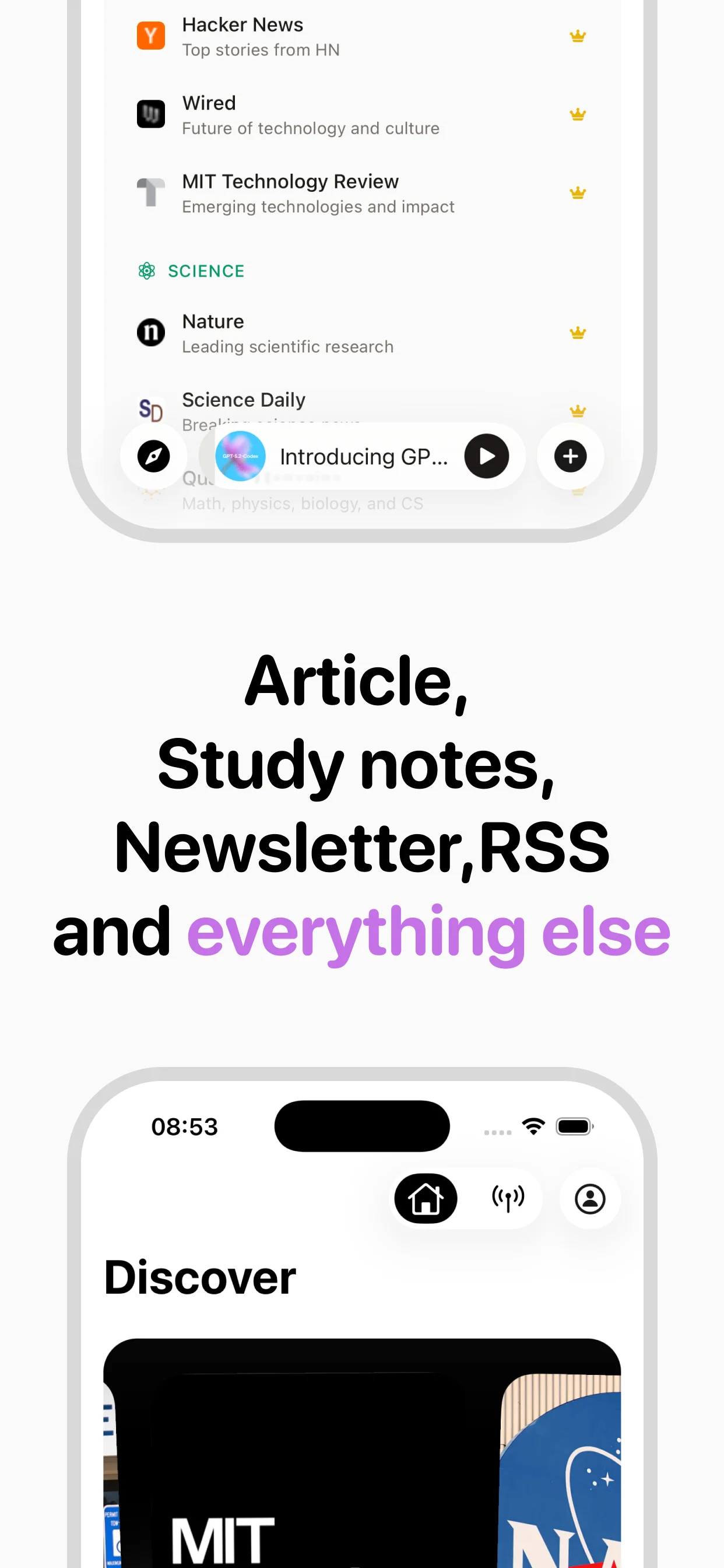
Turn any article into natural-sounding audio. Paste a link, press play, and stay informed while you move.
Coming soon on Android