text to speech for Accessibility
How TTS technology removes barriers and makes written content accessible to everyone.

TTS as assistive technology
Text-to-speech is one of the most impactful assistive technologies ever developed. For the estimated 2.2 billion people worldwide with vision impairment (WHO, 2023), TTS is the primary way they access digital text. For millions more with learning disabilities, motor impairments, or cognitive differences, TTS provides an alternative pathway to written information that was previously inaccessible. The technology isn't just a convenience — it's a civil rights issue, enabling participation in education, employment, and civic life.
Screen readers and built-in TTS
Every major operating system includes screen reading software: VoiceOver on Apple devices, TalkBack on Android, and Narrator on Windows. These tools read interface elements and content aloud, enabling navigation and content consumption. However, built-in screen readers have limitations — they use system-level voices that may sound robotic, they read everything on screen (including navigation and ads), and they lack the natural pacing that makes long-form listening comfortable. Dedicated TTS apps like speakeasy complement screen readers by providing premium voice quality optimized for long-form content.
Visual impairments
The spectrum of visual impairment is wide — from complete blindness to low vision conditions like macular degeneration, glaucoma, and diabetic retinopathy. TTS serves all of these. For people with complete blindness, TTS is essential for accessing any digital text. For people with low vision, TTS reduces eye strain and fatigue. Research by Cryer and Home (2010) for the RNIB found that audio readers significantly increased the amount of content consumed by people with visual impairments compared to text with magnification alone.
Learning disabilities
TTS is a recognized accommodation for dyslexia, processing disorders, and other learning disabilities. The International Dyslexia Association recommends TTS as a primary accommodation strategy. Studies consistently show that multimodal input (seeing text while hearing it read aloud) improves comprehension for people with dyslexia by 20-40% compared to reading alone. Many students with learning disabilities use TTS throughout their education — it's not a crutch but a tool that provides equitable access to content.
Motor and physical disabilities
People with conditions affecting motor control — cerebral palsy, ALS, spinal cord injuries, repetitive strain injuries — may find holding books, scrolling screens, or turning pages difficult or impossible. TTS with hands-free controls (voice commands, switch access, or auto-play) removes these physical barriers entirely. speakeasy's auto-play queue lets users listen to multiple articles sequentially without any interaction.
Legal requirements
TTS isn't just good practice — it's increasingly a legal requirement. The ADA (Americans with Disabilities Act), Section 508, the European Accessibility Act (2025), and WCAG 2.1 guidelines all mandate that digital content be accessible. Websites and applications that don't provide alternative access to text content face legal liability. Providing TTS functionality helps organizations meet these requirements.
Frequently asked questions

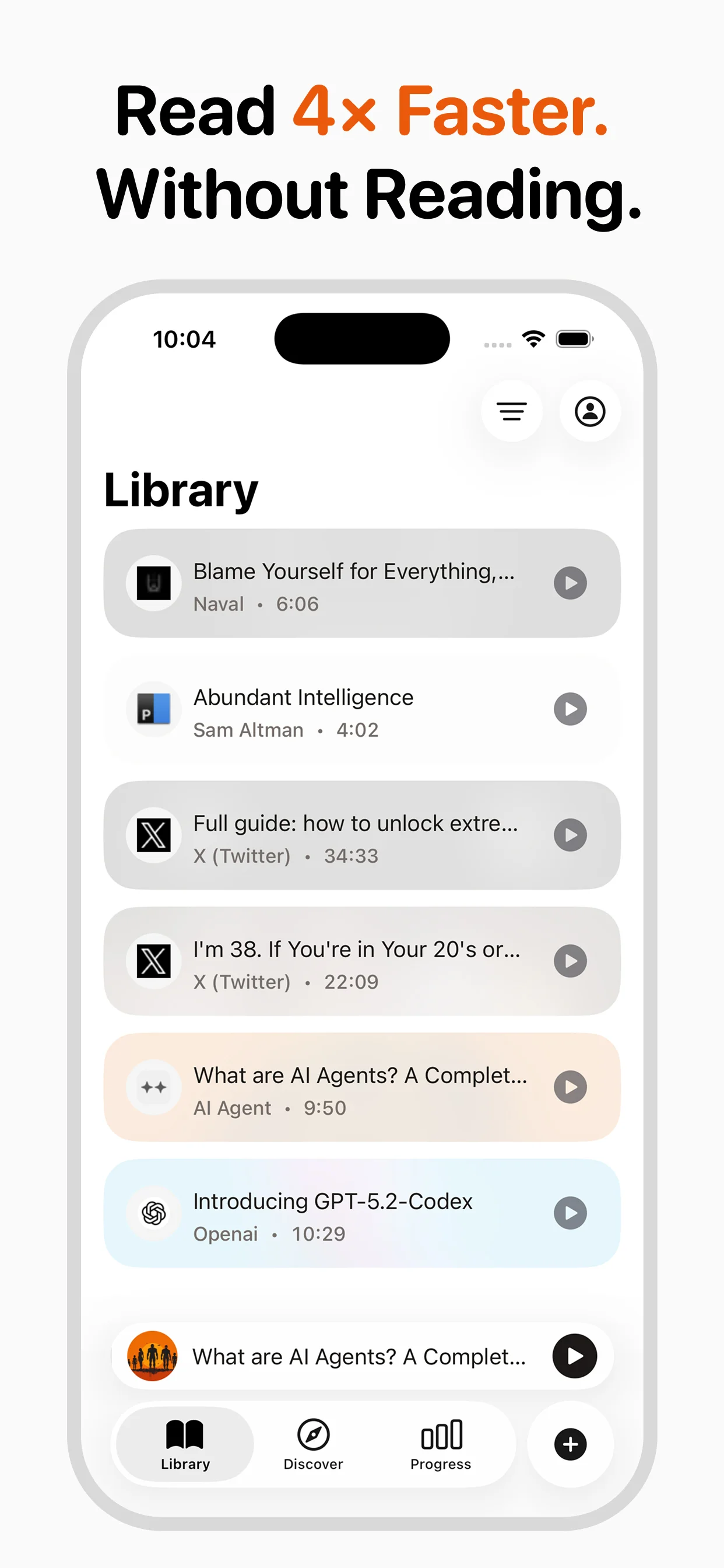
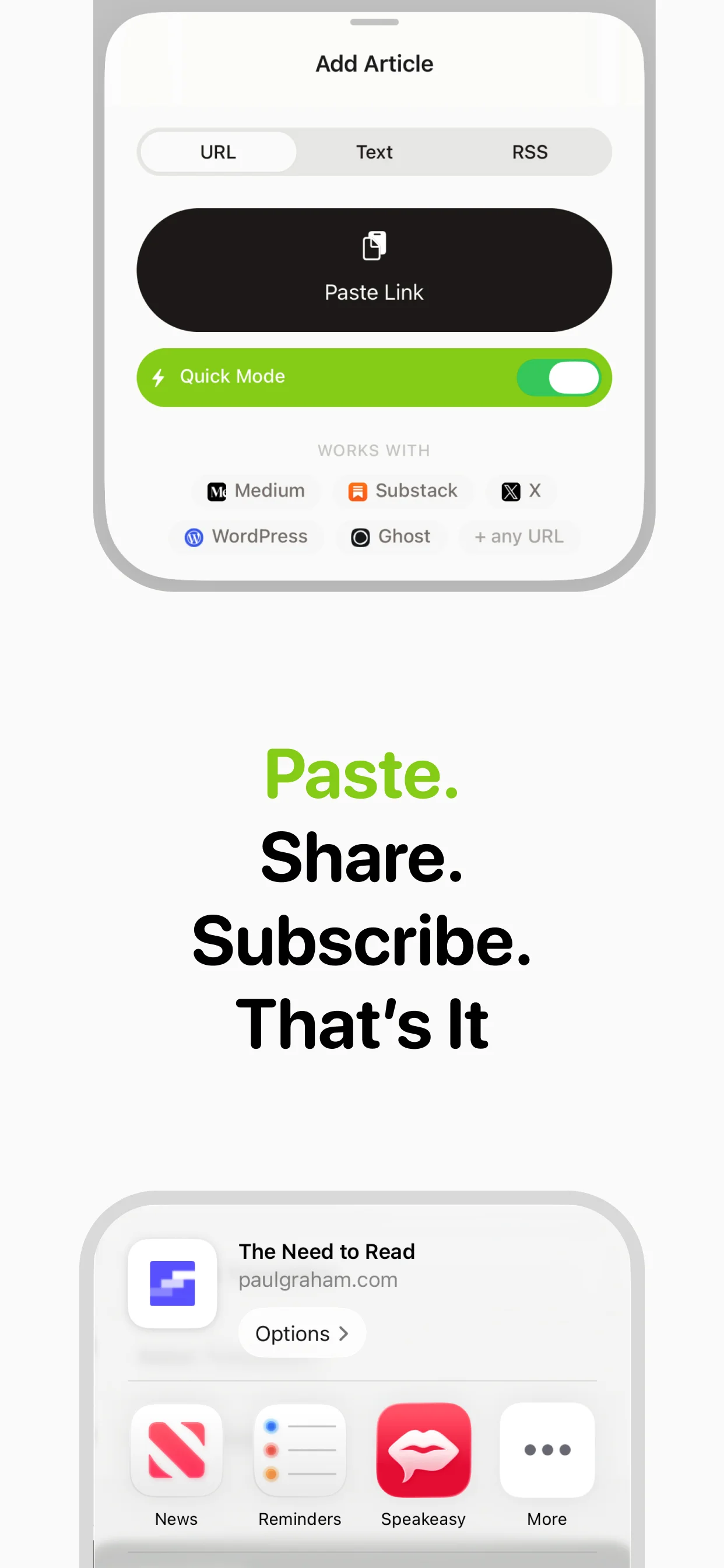
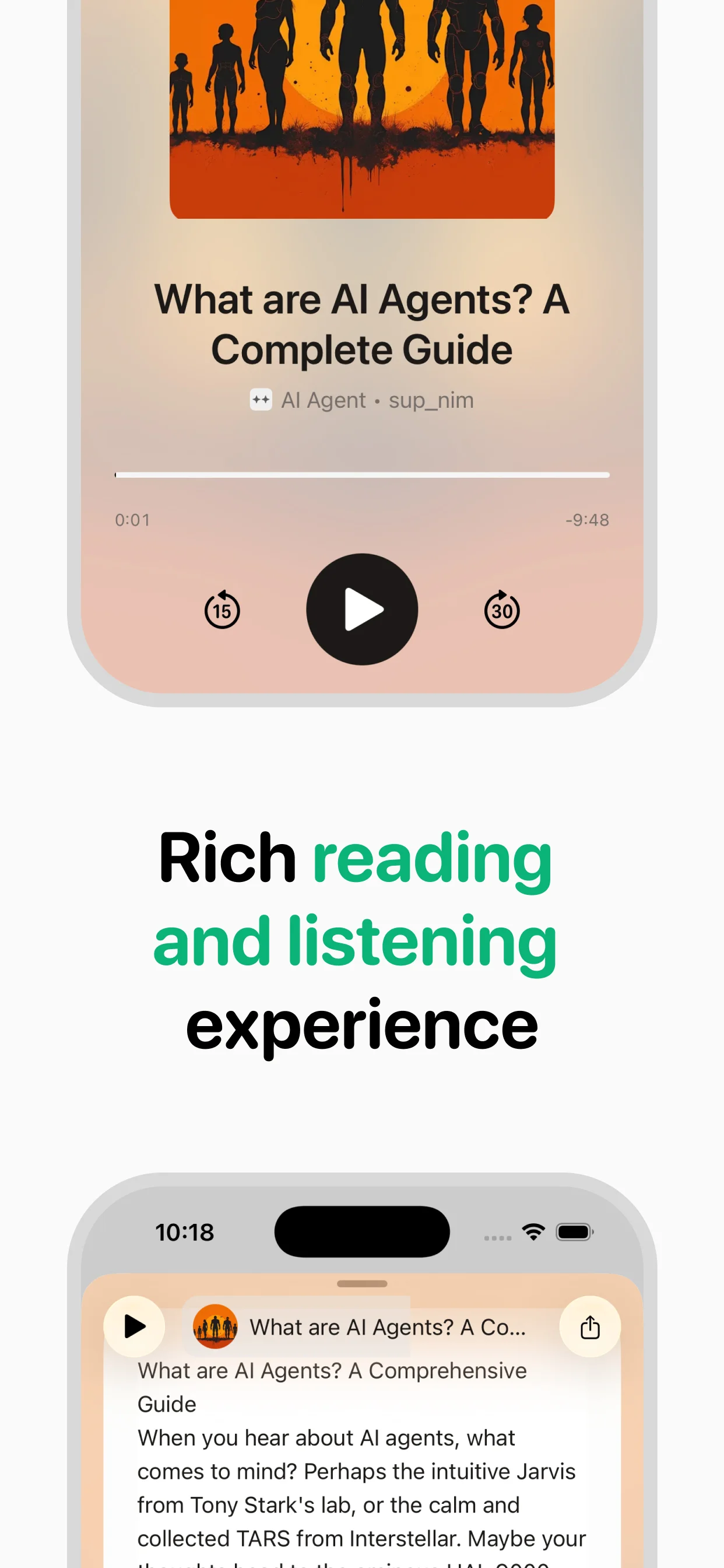
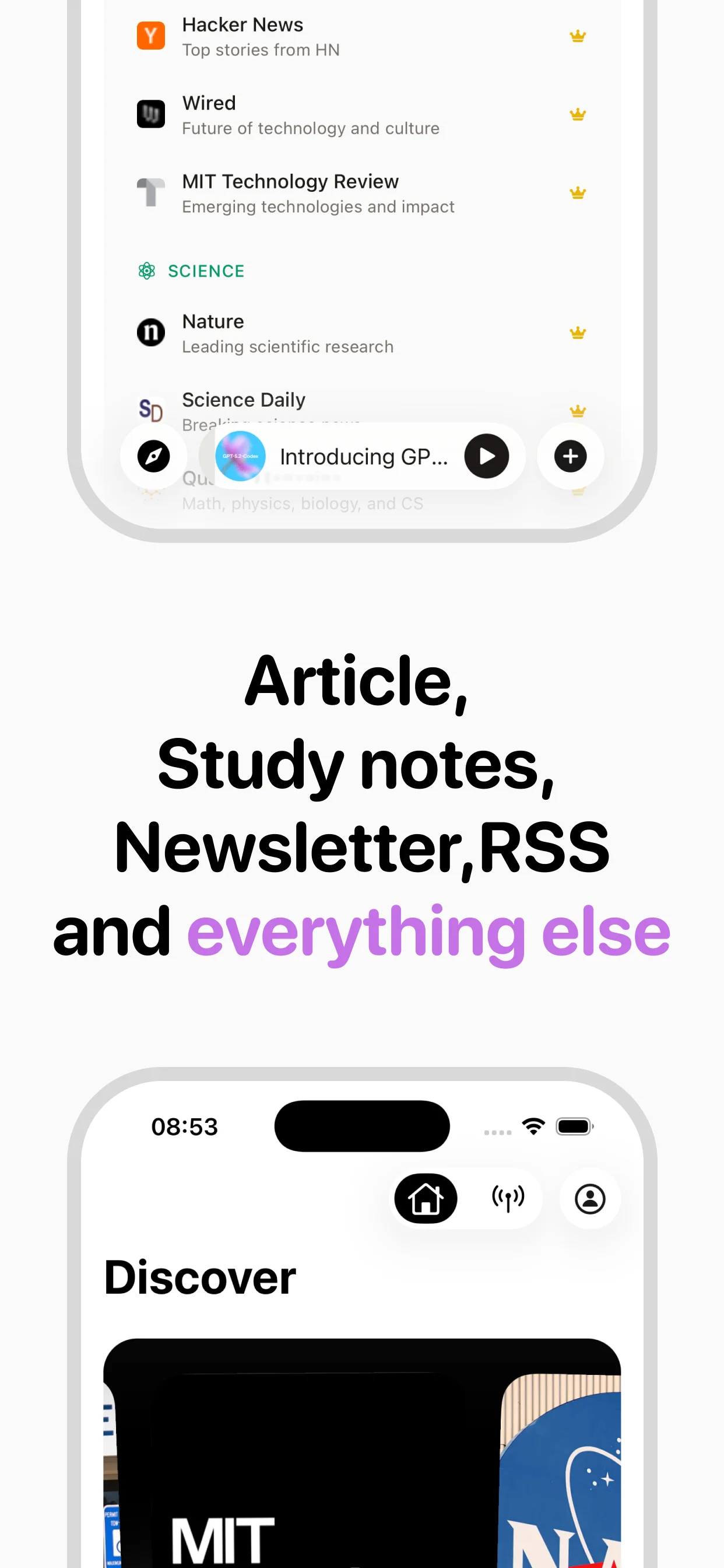
Turn any article into natural-sounding audio. Paste a link, press play, and stay informed while you move.
Coming soon on Android