text to speech for Dyslexia
How TTS technology helps people with dyslexia access content — backed by research.
Dyslexia and reading
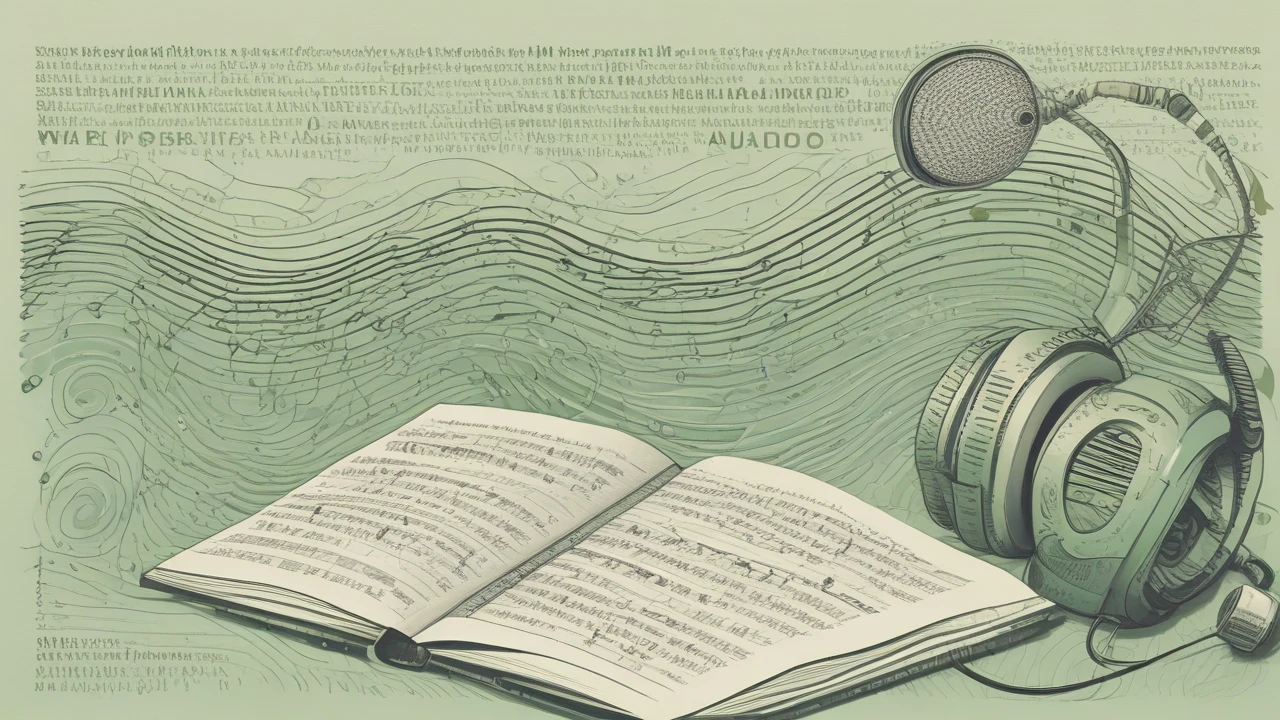
Dyslexia affects an estimated 5-10% of the population, making it the most common learning disability. It's a neurological condition that affects the brain's ability to process written language — not intelligence, not effort, not motivation. People with dyslexia often have strong verbal comprehension and reasoning skills but struggle specifically with decoding written text. The core challenge is that reading demands intense cognitive effort, leaving less capacity for comprehension and retention.
How TTS helps: the research
The evidence for TTS as a dyslexia accommodation is robust. Elkind (2003) found that students with dyslexia using TTS showed a 24% improvement in reading comprehension scores. Research by Higgins and Raskind (2005) at the Frostig Center found that TTS not only improved comprehension but also increased the amount of content students were willing to engage with — they simply read more when TTS was available. A 2017 study by Wood et al. demonstrated that the benefits of TTS for dyslexia persist into adulthood and professional settings. The key mechanism is cognitive load reduction: TTS handles the decoding burden, freeing working memory for comprehension.
Dual-modality: reading + listening together
The most effective use of TTS for dyslexia is often dual-modality — following along with text while hearing it read aloud simultaneously. Research by Montali and Bhatt (1996) showed this combined approach produced better comprehension than either reading or listening alone. The visual text provides context and reinforces word recognition, while the audio provides correct pronunciation and pacing. Many TTS apps support this synchronized approach.
Speed and voice quality matter
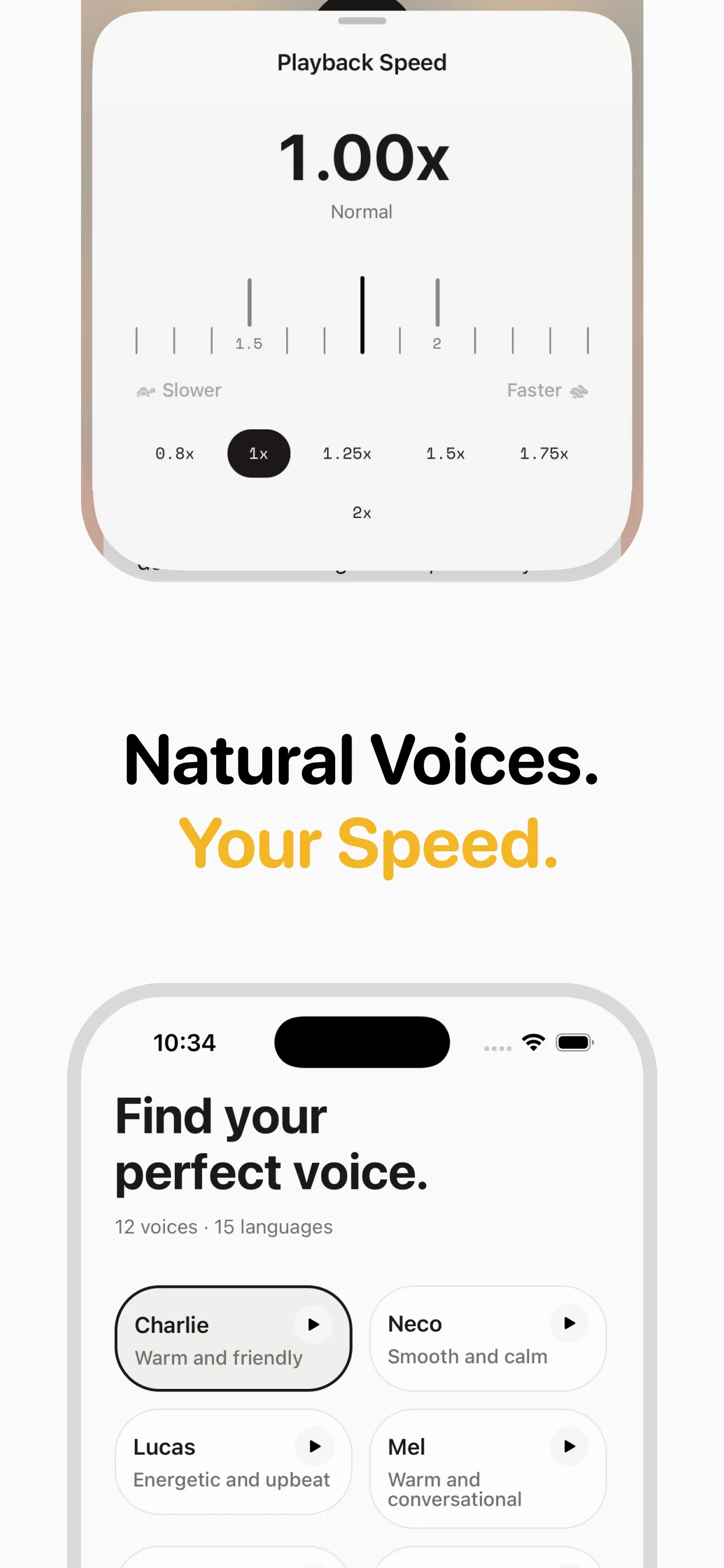
For people with dyslexia, voice quality is especially important. Research by Draffan et al. (2015) found that listeners with dyslexia are more sensitive to poor TTS quality than typical listeners — robotic voices increase cognitive load rather than reducing it. Natural-sounding neural voices (like those used by speakeasy) produce better comprehension outcomes. Speaking speed should start at 1x-1.25x and increase gradually as the listener becomes comfortable with audio learning.
Practical tips for using TTS with dyslexia
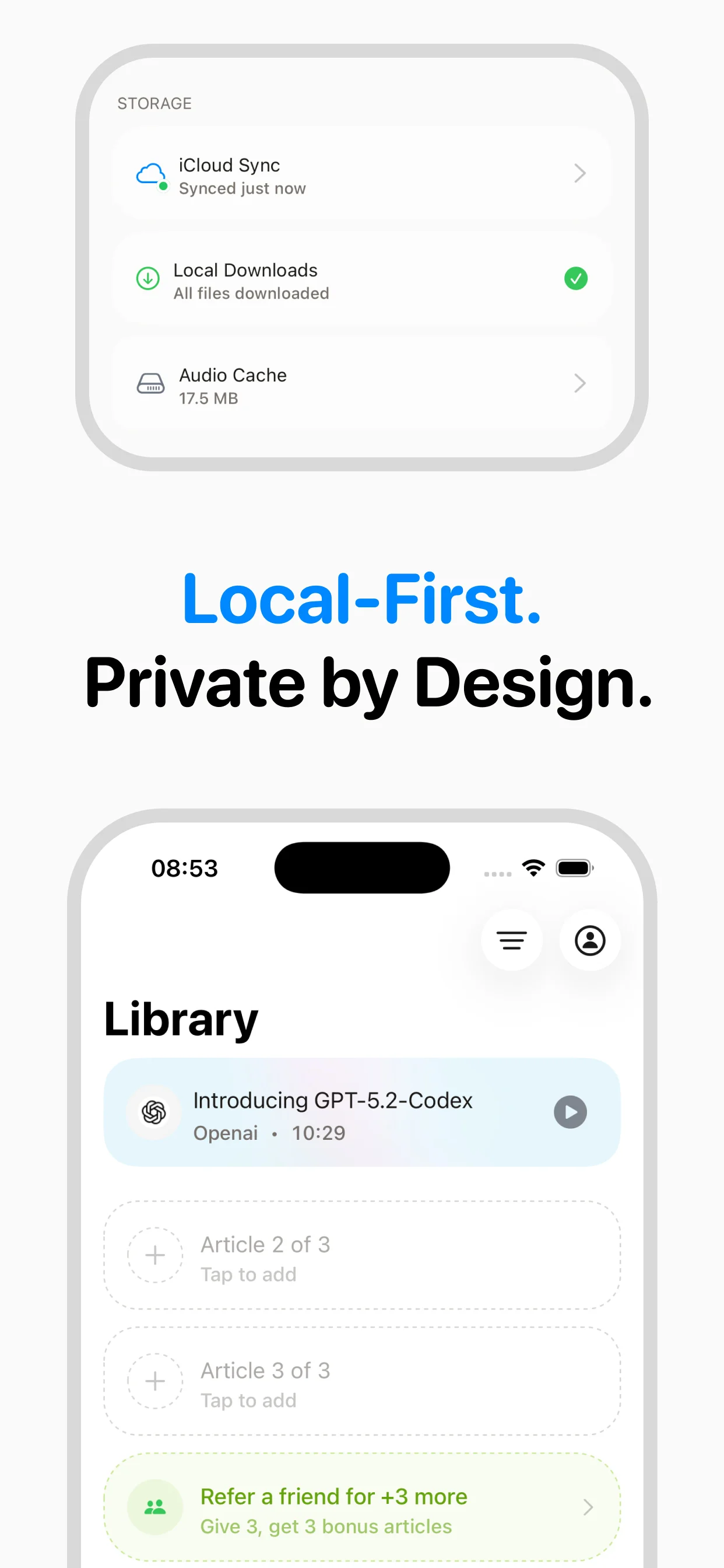
Start with content you're interested in — motivation matters more when you're building a new habit. Use a quiet environment initially to reduce competing demands on attention. Choose a voice you find pleasant — you'll be listening for extended periods. Start at 1x speed and increase gradually over weeks. Use TTS for longer texts where decoding fatigue is most impactful, and read shorter texts visually to maintain reading skills. speakeasy's 3 free articles per week is enough to establish whether audio learning works for you before committing.
Frequently asked questions

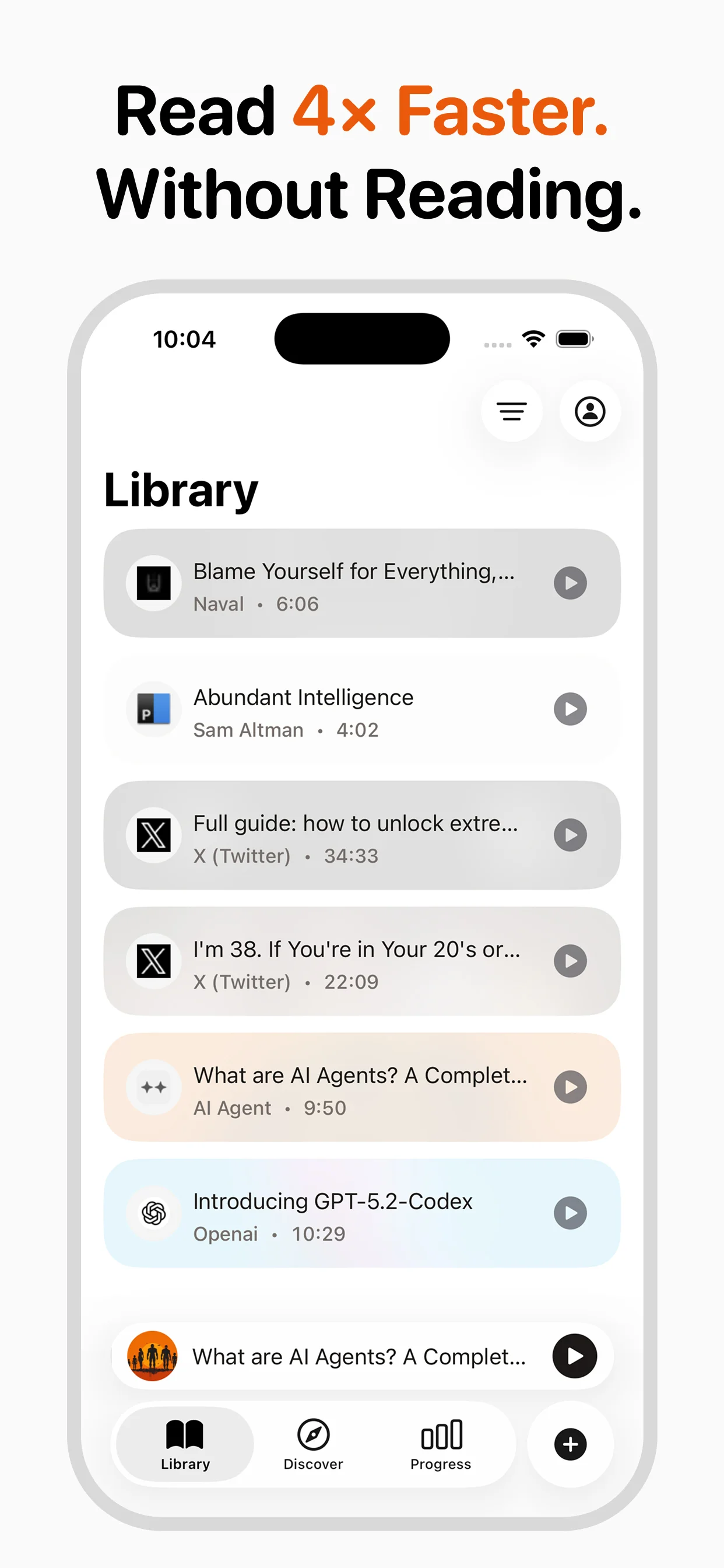
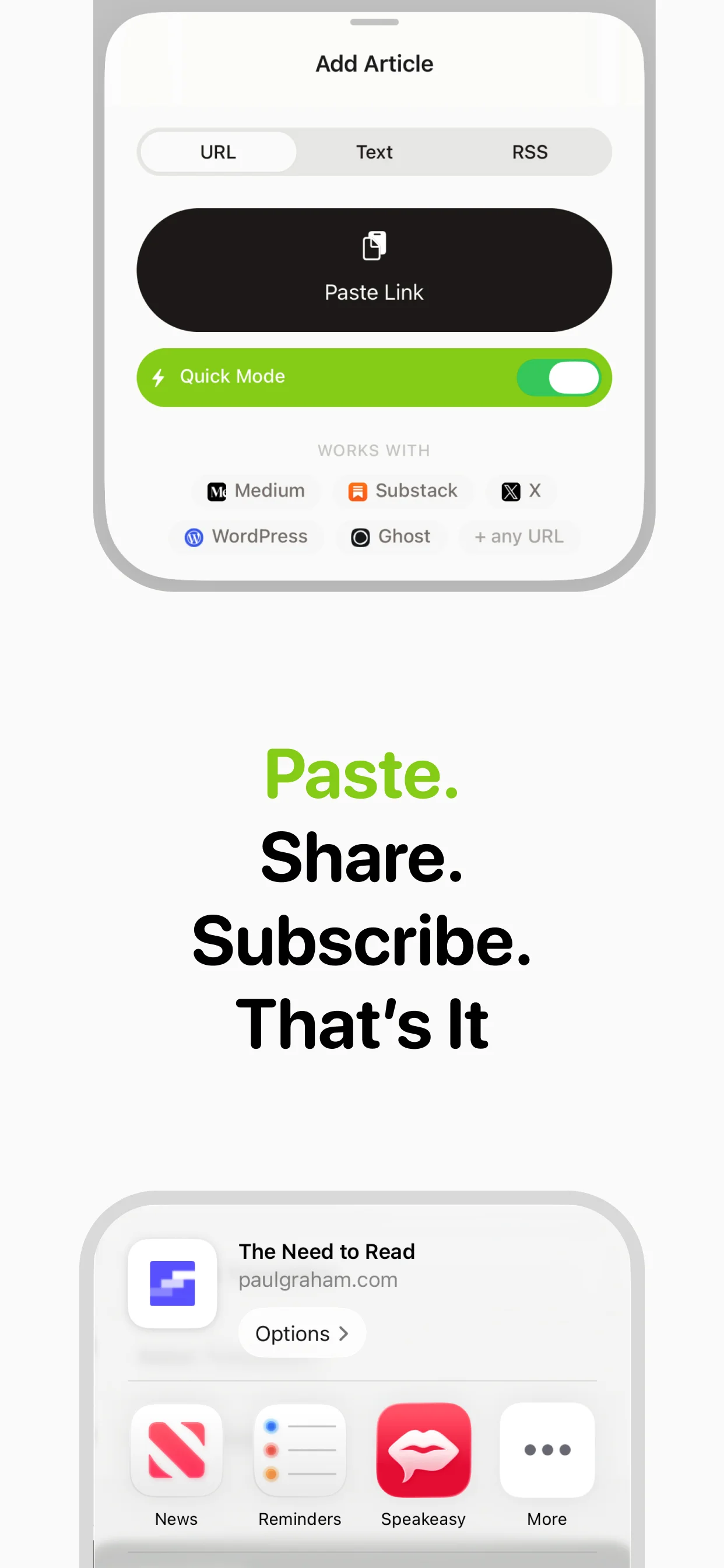
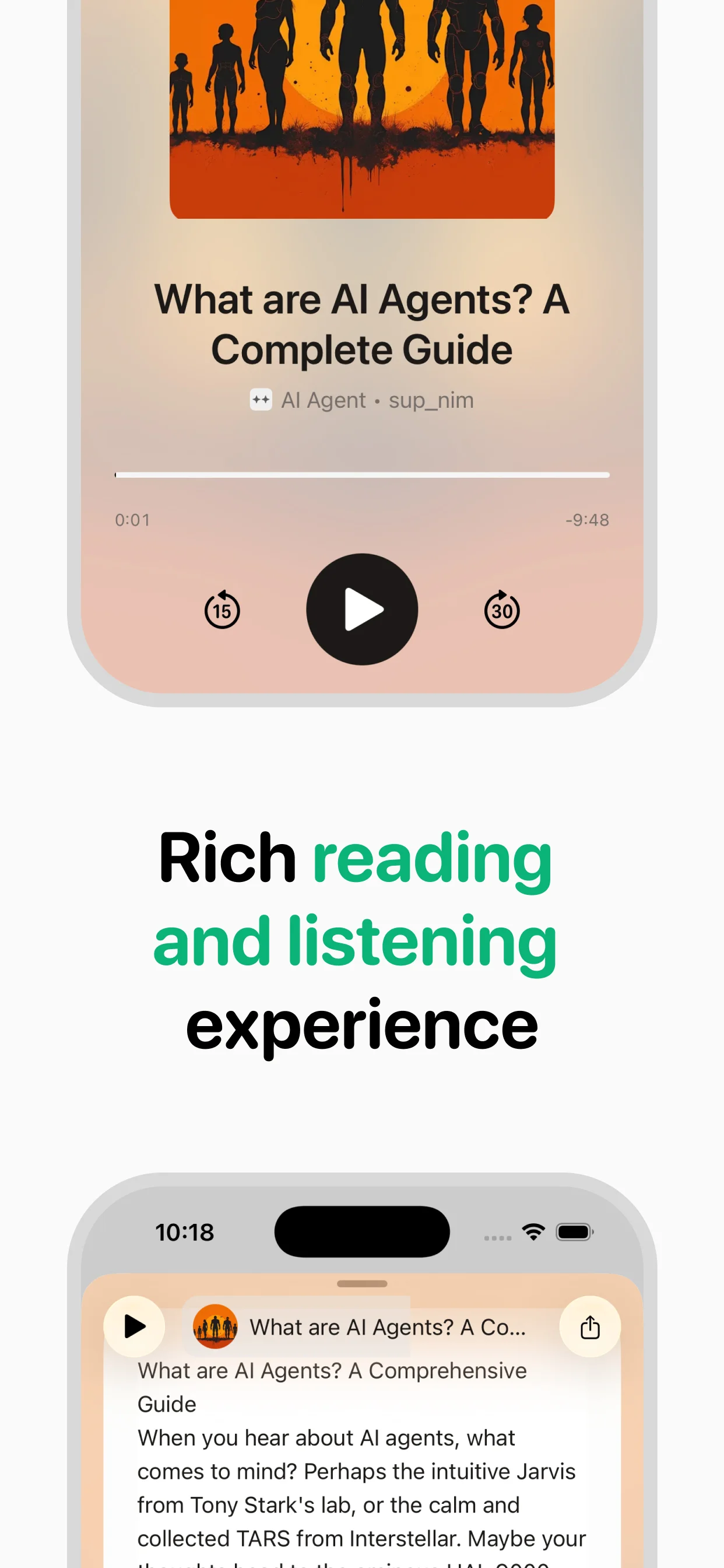
Turn any article into natural-sounding audio. Paste a link, press play, and stay informed while you move.
Coming soon on Android