text to speech for ADHD
Why converting text to audio can help with focus, engagement, and information retention for ADHD brains.
The ADHD reading challenge
ADHD affects approximately 5-7% of children and 2.5-4% of adults worldwide. A core challenge is sustained attention for non-preferred tasks — and for many people with ADHD, reading long-form text falls squarely in that category. The experience is familiar: re-reading the same paragraph three times, eyes scanning ahead while the mind wanders, losing your place, and eventually giving up. It's not a lack of interest or intelligence — it's how ADHD brains allocate attention.
Why audio can help: the research
Audio provides what researchers call "temporal scaffolding" — it moves forward at a steady pace, carrying your attention along with it in a way that static text doesn't. A 2018 study by Stern and Walsh found that adults with ADHD showed improved sustained attention and comprehension when using audio compared to visual text. The key mechanism is that audio reduces the executive function demands of reading — no need to manage eye tracking, page turning, or re-finding your place. Additionally, the human voice (especially a natural-sounding one) engages attention through prosody in ways that flat text cannot.
Reducing reading avoidance
One of the most practical benefits of TTS for ADHD is breaking the avoidance cycle. Many adults with ADHD accumulate massive reading backlogs — saved articles, flagged newsletters, bookmarked research — that grow faster than they can be read. The growing backlog creates guilt and more avoidance. Converting this backlog into audio transforms it from a dreaded task into something that fits naturally into existing routines: commutes, workouts, cooking, cleaning. The barrier to starting is dramatically lower when you just press play instead of sitting down to read.
The movement advantage
Many people with ADHD focus better while moving — walking, pacing, fidgeting, or exercising. Research by Den Heijer et al. (2017) confirmed that physical activity improves attention and cognitive function in ADHD. But you can't read while running. You can listen while running. TTS turns movement time into productive learning time, aligning content consumption with the physical activity that helps ADHD brains function at their best.
Strategies for effective TTS use with ADHD
Speed matters — many people with ADHD find 1.5x-2x speed optimal, as slightly faster pacing demands more attention and reduces mind-wandering (paradoxically, making it easier to focus). Use speakeasy's auto-play queue to keep content flowing without pause-decision points that invite distraction. Listen to content that genuinely interests you first — build the habit with high-motivation material. Don't worry about comprehension being perfect; absorbing 70% of ten articles while walking is better than reading 100% of zero articles while staring at your screen.
Frequently asked questions

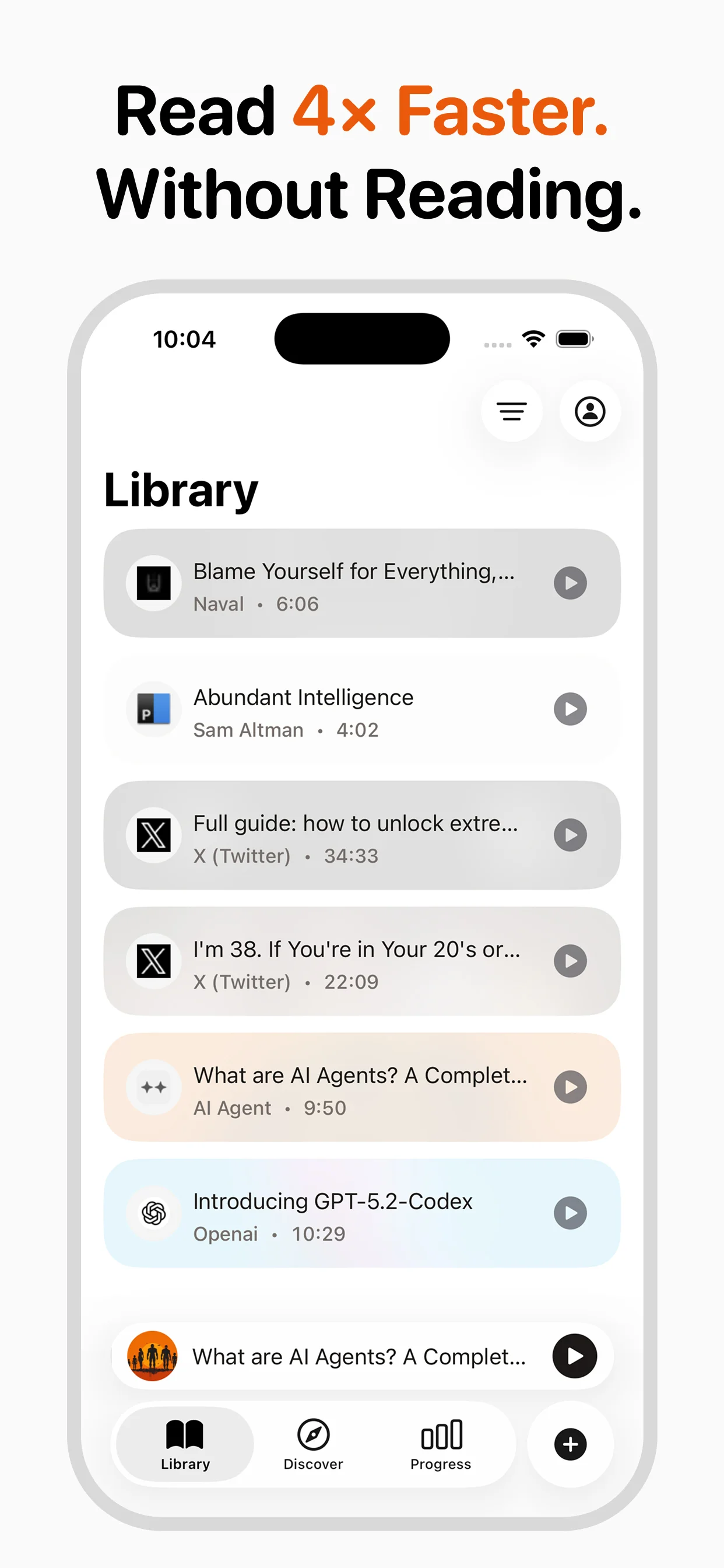
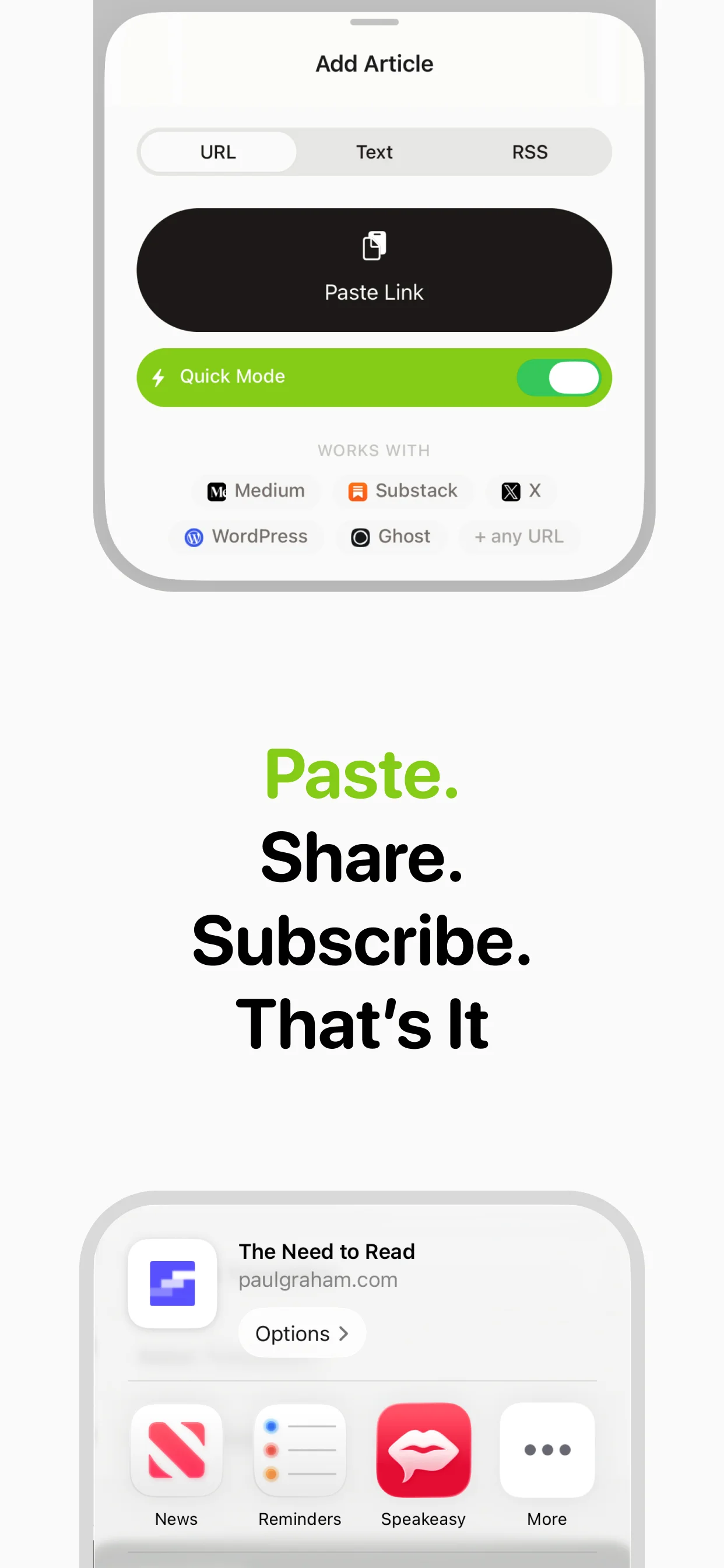
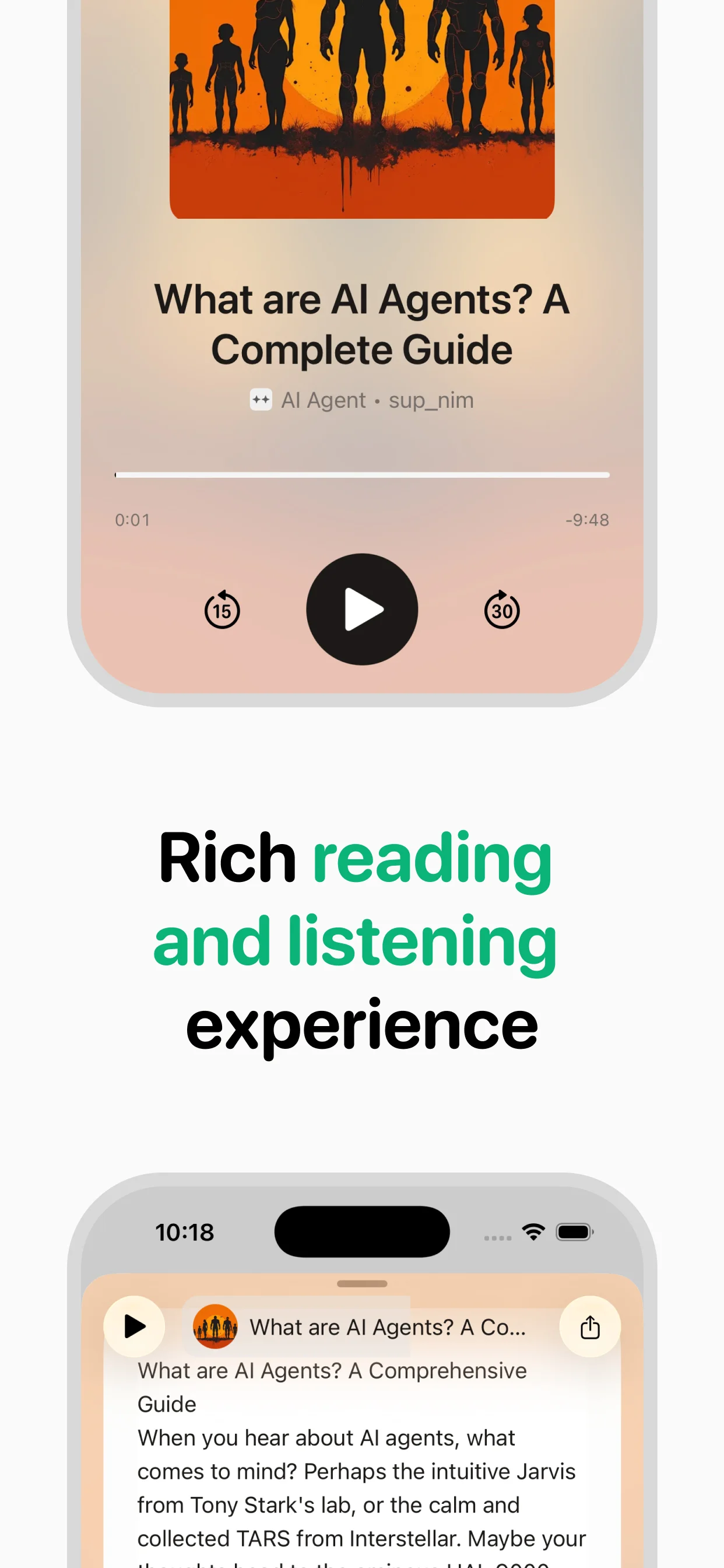
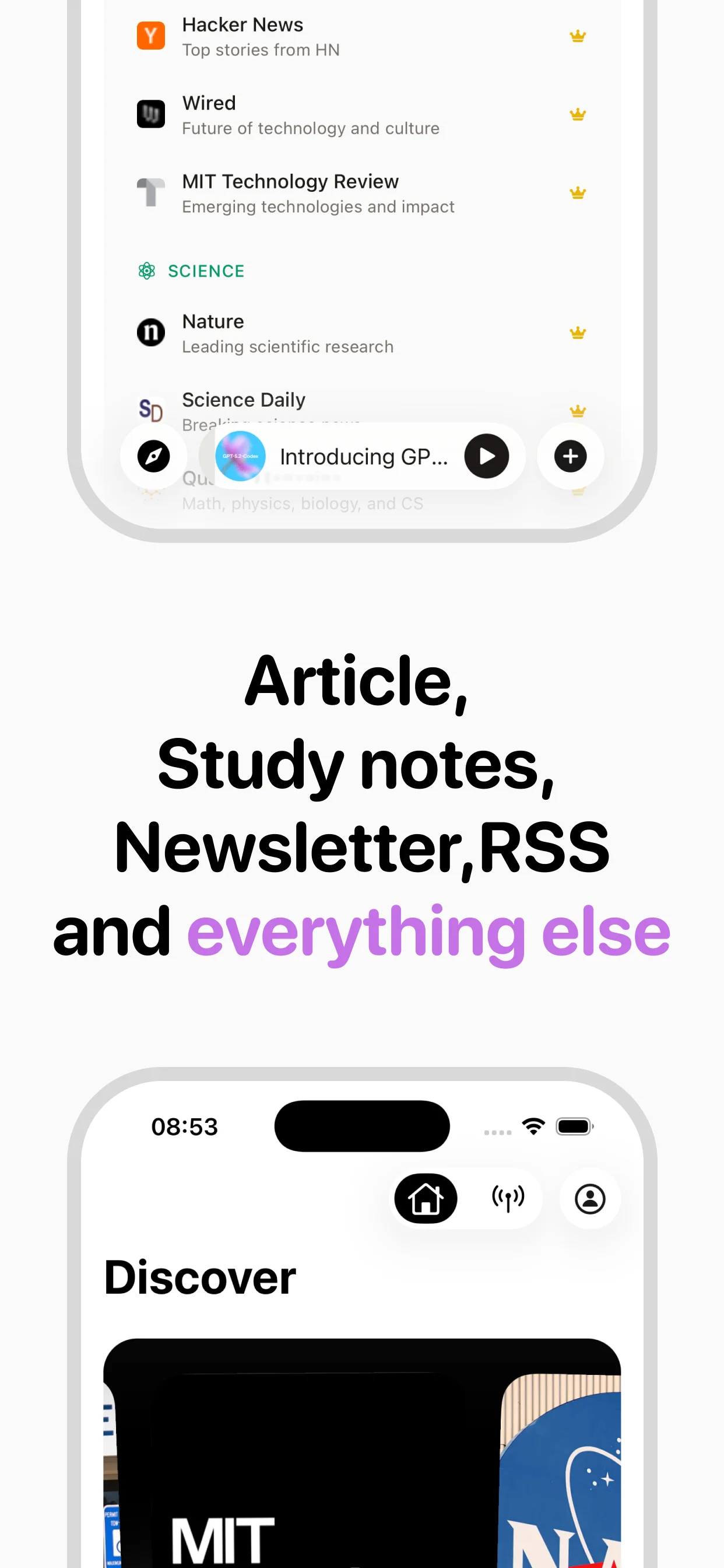
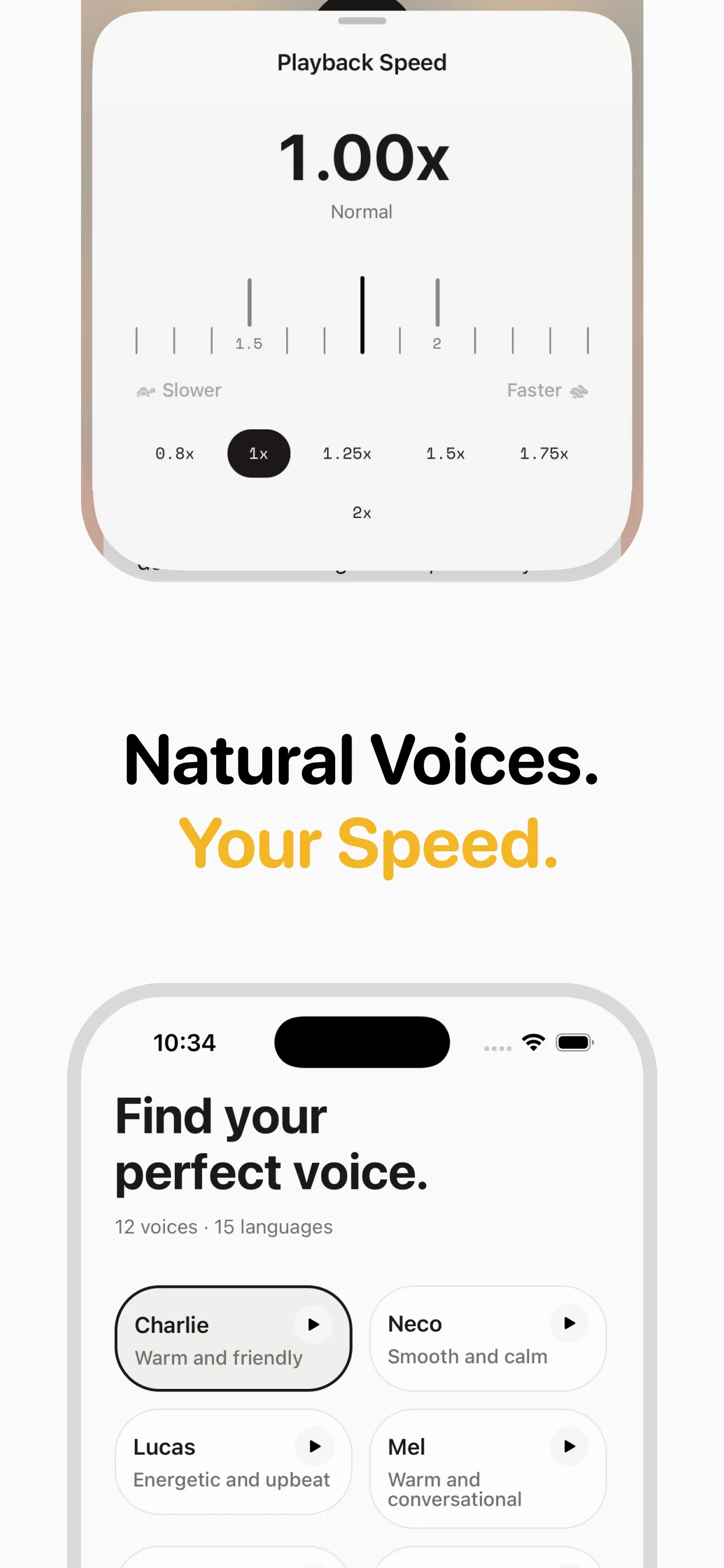
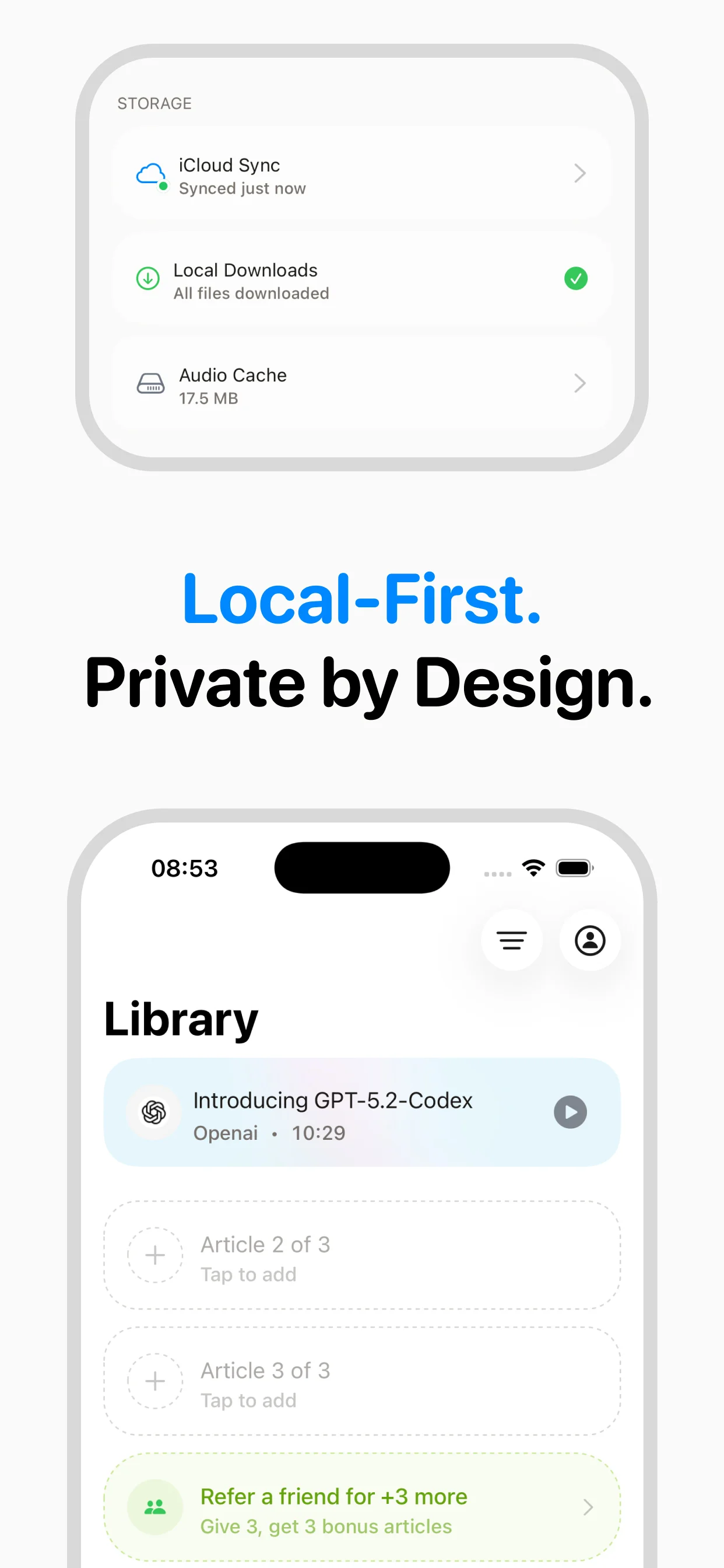
Turn any article into natural-sounding audio. Paste a link, press play, and stay informed while you move.
Coming soon on Android