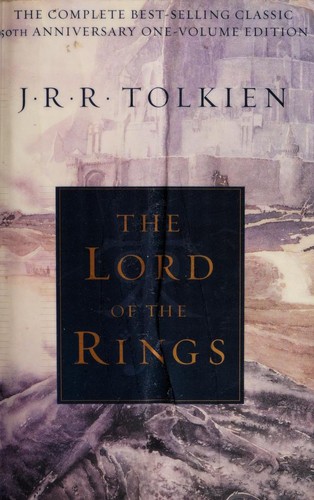
The Lord of the Rings by J.R.R. Tolkien
The foundational epic of modern fantasy and a meditation on courage, friendship, and the corruption of power
Reading time
23-25 hours
Listen with speakeasy
20-35 minutes with speakeasy summary
Summary
Published in three volumes between 1954 and 1955, The Lord of the Rings follows hobbit Frodo Baggins and his Fellowship as they journey to destroy the One Ring in the fires of Mount Doom before the dark lord Sauron can reclaim it and enslave all of Middle-earth. Tolkien built his world over decades, drawing on Norse mythology, Old English poetry, Finnish epic, and his own invented languages to create a secondary world of unmatched depth. The novel operates simultaneously as adventure story, moral allegory, and elegy — mourning the passing of an older, more innocent world in the face of industrialization and war. Tolkien was a veteran of the Battle of the Somme, and the trilogy's meditation on friendship, sacrifice, and the psychological toll of carrying impossible burdens resonates with his wartime experience. More than any other single work, The Lord of the Rings established the conventions of modern fantasy literature, influencing virtually every subsequent work in the genre. The novel topped numerous polls as the greatest book of the twentieth century.
Key takeaways
- Power corrupts absolutely — even the virtuous cannot safely wield the One Ring, making its destruction the only moral solution
- The novel is an elegy for a pre-industrial world, mourning beauty and innocence lost to progress and war
- Ordinary individuals — hobbits, not heroes — are often best suited to resist the temptations of power
- Friendship and fellowship are the novel's most powerful forces, surpassing strategy or strength
- Tolkien's constructed languages, mythology, and history gave fantasy fiction a new standard for world-building depth
Why listen?
Tolkien's influence on literature, linguistics, and popular culture has generated a vast body of essays spanning mythology, theology, war literature, and cultural criticism. speakeasy converts those long-form pieces into audio so you can explore Middle-earth's intellectual legacy on your own schedule.
About The Lord of the Rings
Published in 1954 by J.R.R. Tolkien, The Lord of the Rings has become one of the most widely discussed titles in fantasy. At 1178 pages, it's a substantial work that rewards careful attention — but in today's busy world, finding time to sit down with a 1178-page book can feel impossible.
That's where speakeasy comes in. While we can't convert entire copyrighted books to audio (that's what audiobooks are for), we can help you engage with the rich ecosystem of content surrounding The Lord of the Rings: reviews, summaries, analysis essays, author interviews, and discussion pieces. These articles — often published on Substack, Medium, and literary blogs — provide valuable context and different perspectives on the book's themes.
Why The Lord of the Rings endures
Great books continue to generate conversation long after publication, and The Lord of the Rings is no exception. J.R.R. Tolkien's work has inspired countless essays, podcast discussions, and analytical deep-dives that explore its themes from new angles. Whether you've already read the book and want to deepen your understanding, or you're considering whether to pick it up, listening to analysis and reviews is one of the most efficient ways to engage with the ideas.
The fantasy genre has seen tremendous growth in online discourse, with writers on Substack and Medium regularly publishing thoughtful takes on books like The Lord of the Rings. speakeasy lets you convert these articles to audio and listen during your commute, workout, or evening routine — turning any moment into an opportunity to engage with great literature.
The listening advantage for book lovers
Audio content about books serves a different purpose than the books themselves. While audiobooks give you the full text, article audio gives you context, analysis, and multiple perspectives in a fraction of the time. A 20-minute article about The Lord of the Rings can surface insights that might take hours of reading to discover on your own.
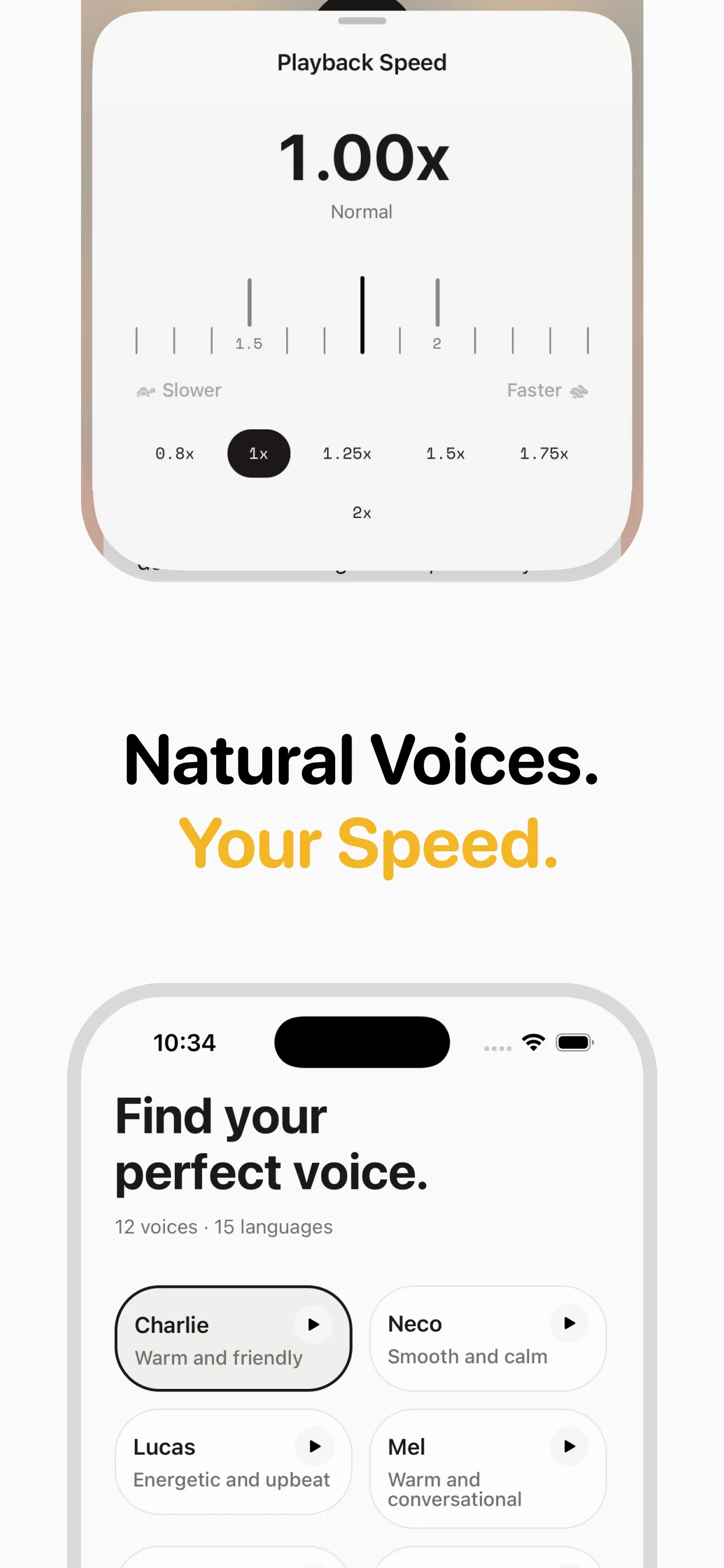
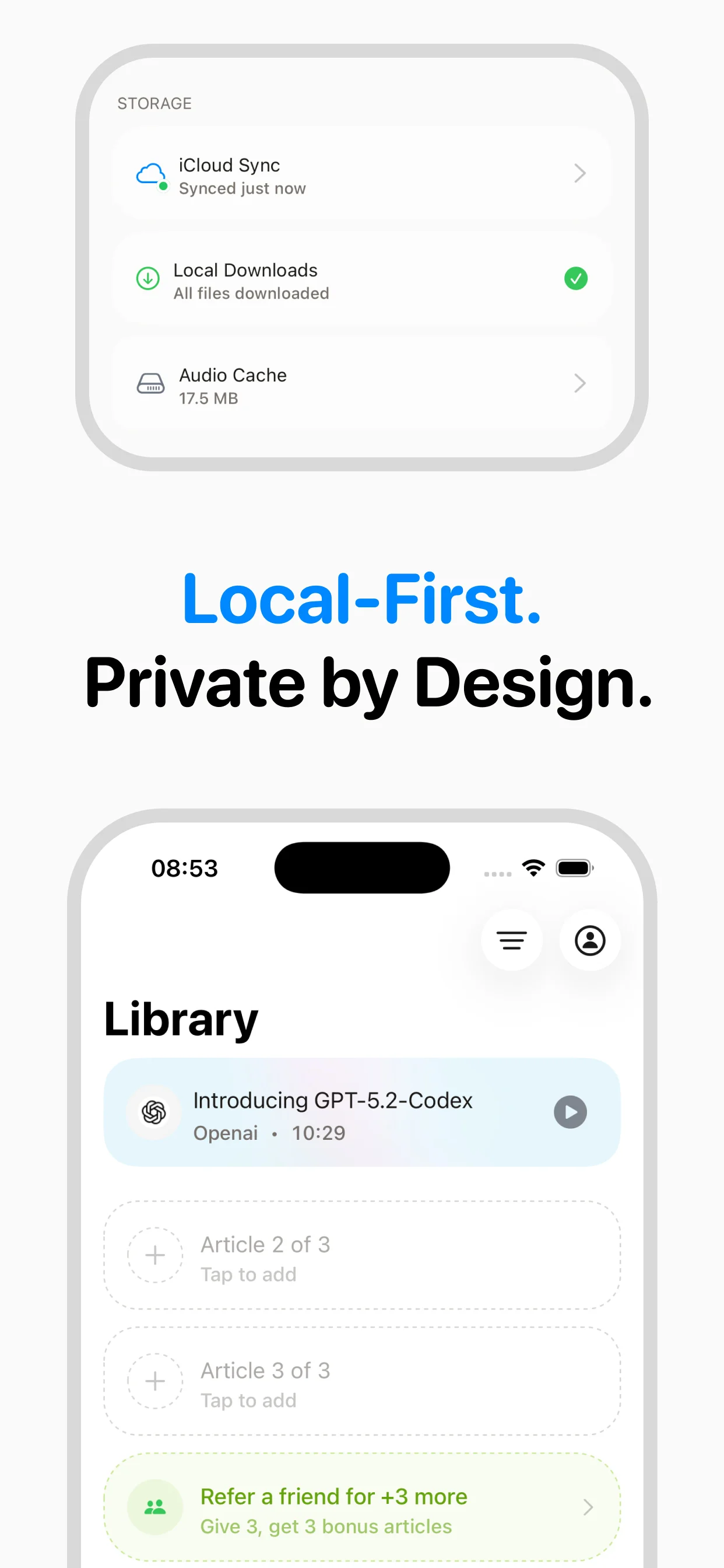
speakeasy's natural AI voices make these articles feel like listening to a knowledgeable friend discuss the book with you. Adjust the playback speed to match your preference — 1.0x for relaxed listening, 1.3x for efficient consumption — and build a personal library of the best literary analysis the web has to offer. Your collection syncs across iPhone and Mac through iCloud, so your reading list is always at your fingertips.
Exploring J.R.R. Tolkien's wider work
If The Lord of the Rings resonated with you, J.R.R. Tolkien's broader body of work and the essays inspired by it offer even more to explore. Many of the web's best writers have published pieces connecting The Lord of the Rings to current events, personal experiences, and other works in fantasy.
Use speakeasy to build a listening queue around J.R.R. Tolkien's ideas: start with the most-shared reviews and analysis, then branch out to interviews, opinion pieces, and thematic essays that connect this book to the wider literary conversation. The result is a richer, more nuanced understanding of both the book and the ideas it explores — all consumed during time that would otherwise go unused.
Frequently asked questions

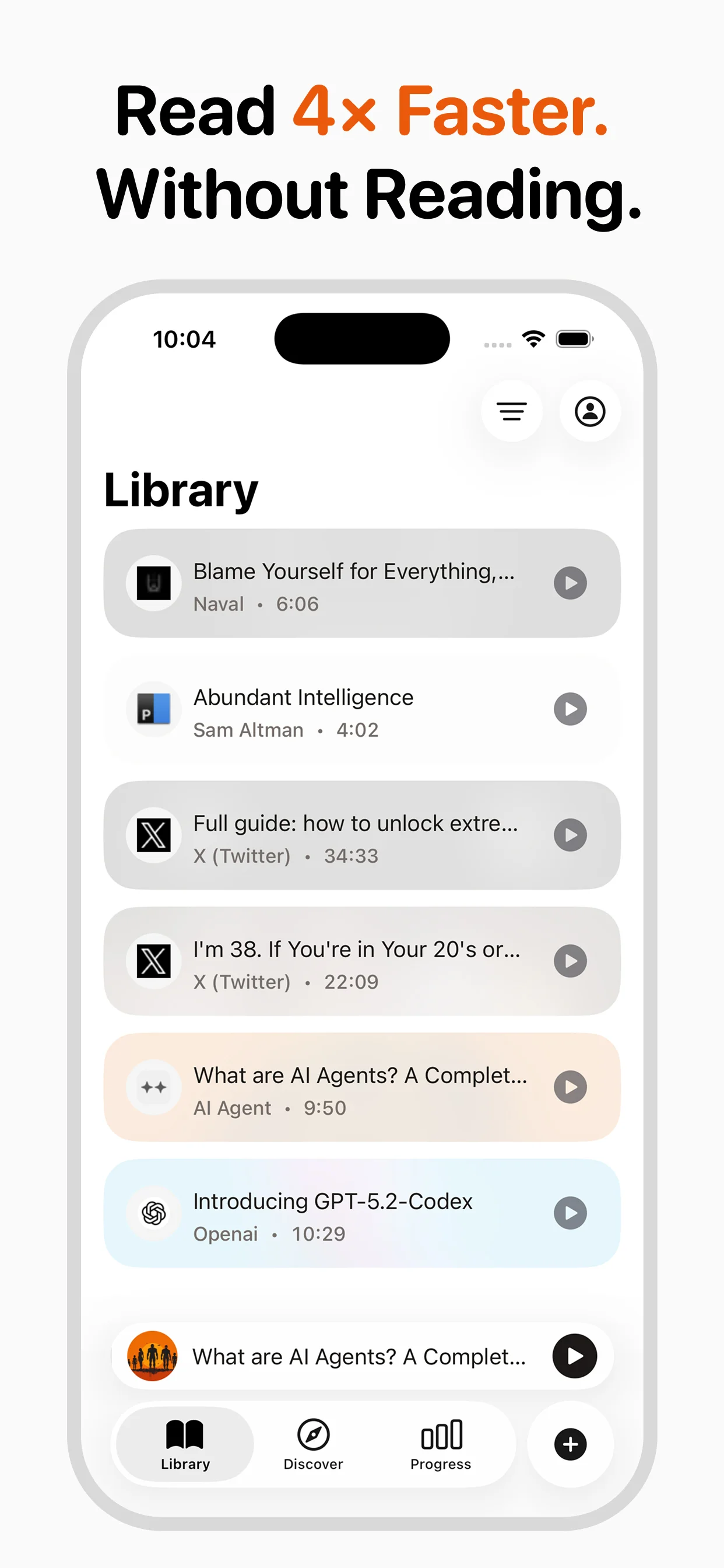

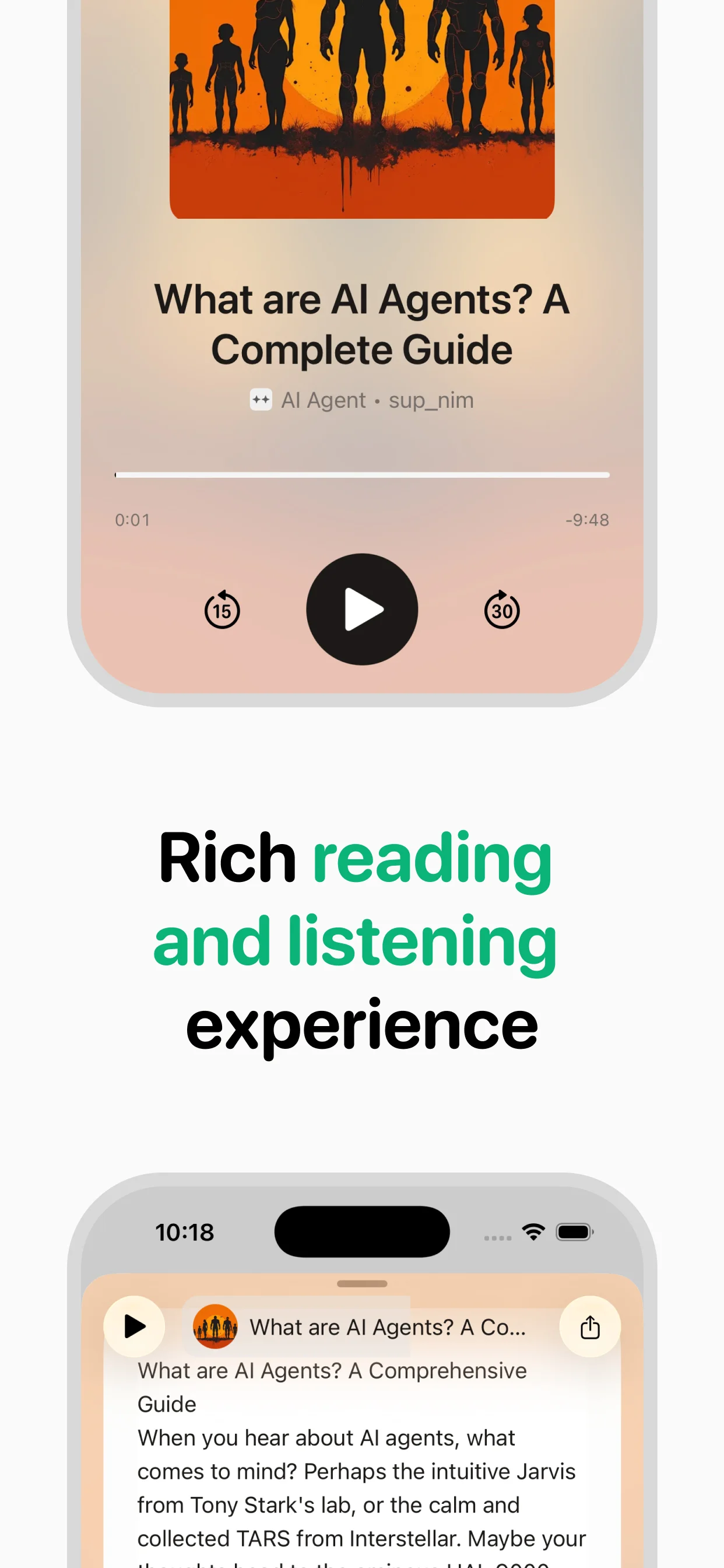
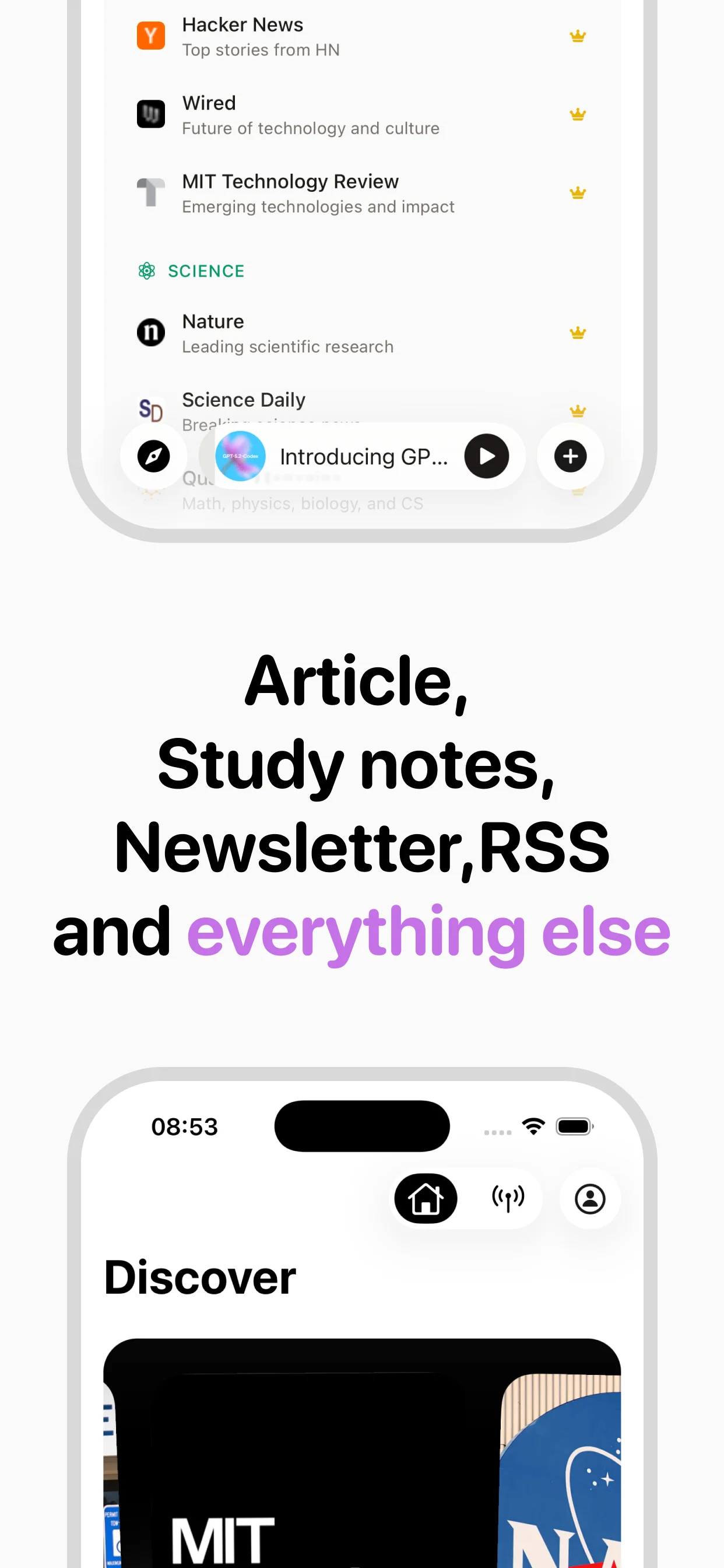
Turn any article into natural-sounding audio. Paste a link, press play, and stay informed while you move.
Coming soon on Android


