
The Name of the Wind by Patrick Rothfuss
The legend of Kvothe the Kingkiller, told in his own words for the first time
Reading time
13-15 hours
Listen with speakeasy
20-35 minutes with speakeasy summary
Summary
The Name of the Wind is the first volume of Patrick Rothfuss's Kingkiller Chronicle and is structured as a story-within-a-story: Kvothe, once the most legendary figure in the world — warrior, musician, wizard, and king-killer — is now living in quiet obscurity as an innkeeper under an assumed name. When a Chronicler tracks him down, Kvothe agrees to tell his true story over three days. The novel covers his childhood as part of a Edema Ruh traveling troupe, the brutal murder of his family by the mythic Chandrian, his years as a street child surviving by his wits, and his eventual enrollment at the University where he masters sympathy — a rigorous, rule-governed form of magic. Rothfuss's prose is unusually lyrical for epic fantasy, and his magic systems are internally consistent and intellectually satisfying. The frame narrative creates productive tension between the legendary Kvothe of rumor and the quieter, more human man telling his own story. The novel's exploration of the gap between legend and reality, between the stories we tell about ourselves and who we actually are, elevates it above standard fantasy fare.
Key takeaways
- The frame narrative — a legend telling his own story — creates constant tension between mythology and human reality
- Rothfuss's magic systems are unusually rigorous, governed by rules of physics and cost that make them intellectually credible
- The novel is partly a meditation on how stories are made and distorted as they pass through generations
- Poverty and class are treated with unusual seriousness in a fantasy context — Kvothe's survival on the streets is harrowing and specific
- Music and naming — two forms of power over the world — parallel each other throughout the novel's thematic architecture
Why listen?
The Kingkiller Chronicle has generated passionate critical essays on fantasy world-building, narrative structure, and the genre's evolution since Tolkien. speakeasy lets you turn those analyses into audio and explore what makes Rothfuss's work both beloved and controversial, on your schedule.
About The Name of the Wind
Published in 2007 by Patrick Rothfuss, The Name of the Wind has become one of the most widely discussed titles in fantasy. At 662 pages, it's a substantial work that rewards careful attention — but in today's busy world, finding time to sit down with a 662-page book can feel impossible.
That's where speakeasy comes in. While we can't convert entire copyrighted books to audio (that's what audiobooks are for), we can help you engage with the rich ecosystem of content surrounding The Name of the Wind: reviews, summaries, analysis essays, author interviews, and discussion pieces. These articles — often published on Substack, Medium, and literary blogs — provide valuable context and different perspectives on the book's themes.
Why The Name of the Wind endures
Great books continue to generate conversation long after publication, and The Name of the Wind is no exception. Patrick Rothfuss's work has inspired countless essays, podcast discussions, and analytical deep-dives that explore its themes from new angles. Whether you've already read the book and want to deepen your understanding, or you're considering whether to pick it up, listening to analysis and reviews is one of the most efficient ways to engage with the ideas.
The fantasy genre has seen tremendous growth in online discourse, with writers on Substack and Medium regularly publishing thoughtful takes on books like The Name of the Wind. speakeasy lets you convert these articles to audio and listen during your commute, workout, or evening routine — turning any moment into an opportunity to engage with great literature.
The listening advantage for book lovers
Audio content about books serves a different purpose than the books themselves. While audiobooks give you the full text, article audio gives you context, analysis, and multiple perspectives in a fraction of the time. A 20-minute article about The Name of the Wind can surface insights that might take hours of reading to discover on your own.
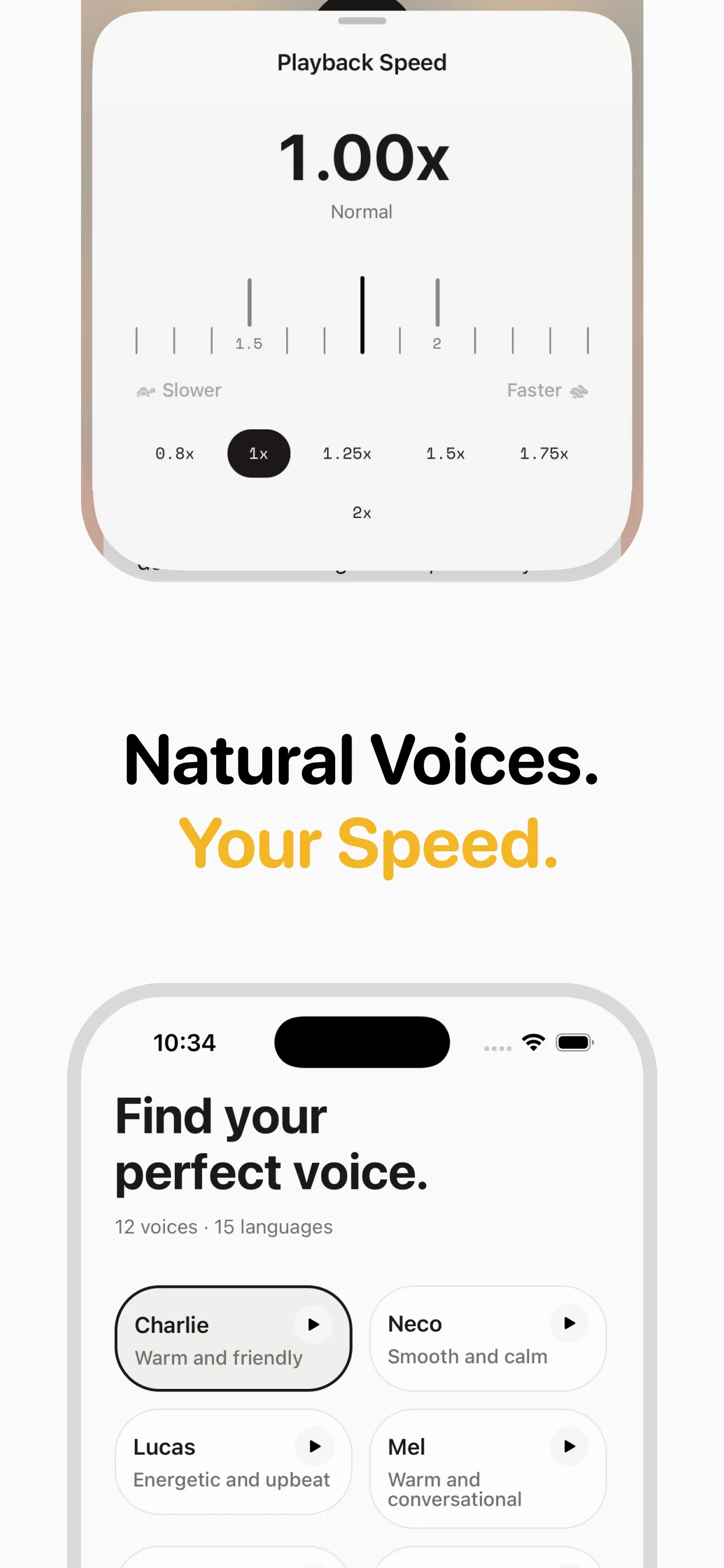
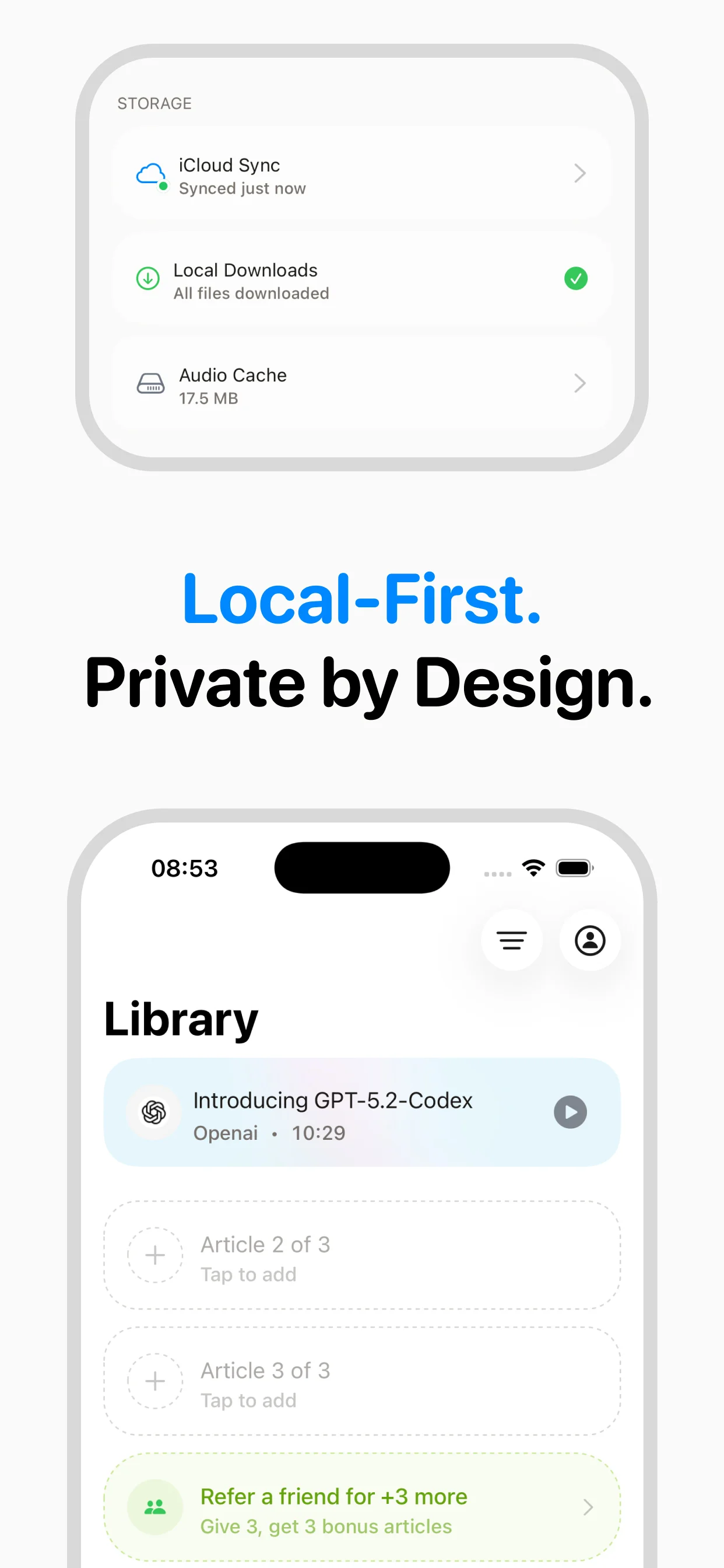
speakeasy's natural AI voices make these articles feel like listening to a knowledgeable friend discuss the book with you. Adjust the playback speed to match your preference — 1.0x for relaxed listening, 1.3x for efficient consumption — and build a personal library of the best literary analysis the web has to offer. Your collection syncs across iPhone and Mac through iCloud, so your reading list is always at your fingertips.
Exploring Patrick Rothfuss's wider work
If The Name of the Wind resonated with you, Patrick Rothfuss's broader body of work and the essays inspired by it offer even more to explore. Many of the web's best writers have published pieces connecting The Name of the Wind to current events, personal experiences, and other works in fantasy.
Use speakeasy to build a listening queue around Patrick Rothfuss's ideas: start with the most-shared reviews and analysis, then branch out to interviews, opinion pieces, and thematic essays that connect this book to the wider literary conversation. The result is a richer, more nuanced understanding of both the book and the ideas it explores — all consumed during time that would otherwise go unused.
Frequently asked questions





Turn any article into natural-sounding audio. Paste a link, press play, and stay informed while you move.
Coming soon on Android


