The best selling historical fiction books transport readers across centuries, immersing them in the drama of real events through the eyes of unforgettable characters. Historical fiction occupies a unique space in literature because it demands two things simultaneously: meticulous research and compelling storytelling. The greatest novels in this genre do not merely recreate the past. They make you feel what it was like to live through it. Whether you are drawn to the trenches of World War II, the courts of medieval England, or the ancient streets of Kyoto, historical fiction delivers the kind of page-turner experience that stays with you long after the final chapter. This list gathers the 25 must-read titles that have defined the genre, earned critical acclaim, and captured millions of readers worldwide. From bestseller juggernauts to award-winning literary achievements, these are the historical fiction novels that matter most.
What Makes a Great Historical Fiction Book?
The best historical fiction balances authenticity with imagination. A great historical novel gets the details right -- the clothing, the food, the social structures, the political tensions -- without ever feeling like a textbook. The setting should be vivid enough to function as its own character. But accuracy alone is not enough. The story needs emotional truth. Readers connect with historical fiction when they recognize universal human experiences inside unfamiliar worlds. Love, ambition, survival, betrayal, hope -- these themes resonate regardless of whether the story takes place in 12th-century Spain or 1940s Paris. The critically acclaimed novels on this list succeed because they honor the historical record while telling stories that feel urgent and alive. They make you care about people who lived centuries ago, and in doing so, they illuminate something essential about what it means to be human.
The Best Selling Historical Fiction Books of All Time
1. The Pillars of the Earth by Ken Follett
Ken Follett's masterwork follows the construction of a cathedral in the fictional English town of Kingsbridge during the 12th century. Spanning decades of political turmoil, religious conflict, and personal ambition, the novel weaves together the lives of a stonemason, a noblewoman, a monk, and a ruthless earl. Follett spent years researching medieval architecture and daily life, and that dedication shows on every page. The result is an epic that feels as sturdy and awe-inspiring as the cathedral at its center. This bestseller has sold over 27 million copies worldwide and launched an entire series. It is the rare historical novel that appeals equally to readers who love sweeping sagas and those who appreciate technical precision. If you have never read historical fiction before, this is the place to start.
2. All the Light We Cannot See by Anthony Doerr

Anthony Doerr's Pulitzer Prize-winning novel tells the converging stories of Marie-Laure, a blind French girl, and Werner, a German orphan conscripted into the Nazi war machine. Set during World War II, the novel moves between occupied France and the horrors of the Eastern Front with prose so luminous it borders on poetry. Doerr spent a decade writing this book, and the care is evident in every sentence. The novel explores how ordinary people navigate extraordinary darkness, and it does so without easy answers or cheap sentiment. All the Light We Cannot See is a critically acclaimed achievement that won the Pulitzer Prize for Fiction in 2015 and has sold millions of copies. It is essential reading for anyone who believes that war novels can also be works of art.
3. The Book Thief by Markus Zusak

Narrated by Death itself, The Book Thief tells the story of Liesel Meminger, a young girl living with foster parents in Nazi Germany who discovers the power of words and storytelling. Zusak's unconventional narrative voice gives the novel a haunting, almost mythic quality that sets it apart from other World War II fiction. Liesel steals books from Nazi book burnings and shares them with her neighbors and a Jewish man hidden in her basement. The novel is both a love letter to literature and a devastating portrait of life under totalitarianism. It has become a modern classic, particularly beloved by young readers discovering historical fiction for the first time. The Book Thief has sold over 16 million copies and been translated into more than 60 languages. It proves that the most powerful stories are often told from the most unexpected perspectives.
4. Outlander by Diana Gabaldon
Diana Gabaldon's genre-defying novel follows Claire Randall, a former World War II combat nurse who accidentally travels back in time to 18th-century Scotland. There she meets Jamie Fraser, a Highland warrior, and becomes entangled in the Jacobite risings. Outlander blends historical fiction with romance, adventure, and a touch of science fiction, creating something entirely its own. Gabaldon's research into Scottish history and culture is exhaustive, and her characters are complex enough to sustain a series that now spans nine novels. The franchise has sold over 50 million copies and inspired a popular television adaptation. Outlander is a page-turner in the truest sense, the kind of book that keeps readers up until three in the morning. It proves that historical fiction can be wildly entertaining without sacrificing substance.
5. The Kite Runner by Khaled Hosseini
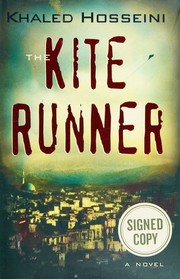
Khaled Hosseini's debut novel is set against the backdrop of Afghanistan's turbulent history, from the fall of the monarchy through the Soviet invasion and the rise of the Taliban. It follows Amir, the privileged son of a wealthy Kabul businessman, and Hassan, the son of his father's servant, whose childhood friendship is shattered by an act of betrayal. The Kite Runner brought Afghan history and culture to a global audience with visceral emotional power. Hosseini writes with unflinching honesty about guilt, redemption, and the bonds that survive even the worst circumstances. The novel spent over two years on the New York Times bestseller list and has sold more than 31 million copies. It remains one of the most important works of historical fiction published this century.
6. Memoirs of a Geisha by Arthur Golden

Arthur Golden spent fifteen years researching and writing this bestseller about Chiyo, a poor fishing village girl who becomes Sayuri, one of Kyoto's most celebrated geisha. Set in Japan from the 1920s through the aftermath of World War II, the novel immerses readers in the elaborate rituals, fierce rivalries, and surprising agency of the geisha world. Golden's prose is elegant and evocative, capturing the beauty and cruelty of a vanishing way of life. The novel became an international phenomenon, selling over 4 million copies in English alone and being translated into 32 languages. Memoirs of a Geisha works as both a coming-of-age story and a window into a culture that most Western readers knew little about. It is a must-read for anyone fascinated by Japanese history and the resilience of women navigating worlds not built for them.
7. Wolf Hall by Hilary Mantel
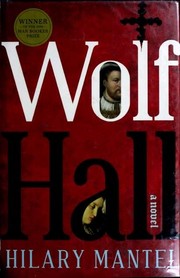
Hilary Mantel's Booker Prize-winning novel reimagines the rise of Thomas Cromwell in the court of Henry VIII. Written in a dense, immersive present tense, Wolf Hall places readers inside Cromwell's mind as he navigates the treacherous politics of Tudor England. Mantel's Cromwell is brilliant, ruthless, and deeply human -- a self-made man in an aristocratic world. The novel challenges centuries of received wisdom about one of history's most controversial figures. Wolf Hall won the Man Booker Prize in 2009, and its sequel, Bring Up the Bodies, won again in 2012, making Mantel the first woman to win the prize twice. The trilogy is widely regarded as one of the greatest achievements in modern historical fiction. It demands patience from the reader but rewards that patience with an unparalleled sense of what Tudor England actually felt like.
8. The Nightingale by Kristin Hannah

Kristin Hannah's World War II novel follows two sisters in Nazi-occupied France whose paths diverge as they each find their own way to resist the German occupation. Vianne must protect her family while sheltering a dangerous secret, and Isabelle joins the French Resistance, guiding downed Allied airmen over the Pyrenees to safety. The Nightingale draws on the true story of Andree de Jongh, a Belgian woman who created an escape network during the war. Hannah's gift is making history feel personal and immediate. The novel spent over a year on the New York Times bestseller list and has sold more than 4.5 million copies. It is a powerful reminder that heroism during wartime was not limited to the battlefield, and that women's stories from the war deserve the same attention as the stories told about soldiers.
9. A Gentleman in Moscow by Amor Towles
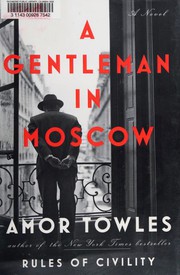
Amor Towles's novel follows Count Alexander Rostov, a Russian aristocrat sentenced to house arrest in Moscow's Metropol Hotel in 1922 by a Bolshevik tribunal. Over the next thirty-two years, the Count discovers that a life lived within the confines of a grand hotel can be just as rich and eventful as one lived in the wider world. Towles writes with wit, elegance, and a deep appreciation for the pleasures of good food, conversation, and friendship. The novel spans some of the most tumultuous decades in Russian history, from Stalin's purges to the Cold War, yet it maintains an almost miraculous sense of warmth and optimism. A Gentleman in Moscow became a bestseller through word of mouth, eventually selling millions of copies. It is a love letter to the idea that grace and dignity can survive even the harshest political circumstances.
10. Shogun by James Clavell
James Clavell's epic novel is set in 1600 Japan, following English navigator John Blackthorne as he is shipwrecked on the shores of a country on the brink of civil war. Blackthorne becomes entangled in the power struggle between rival warlords, and the novel becomes a sweeping exploration of Japanese feudal society, bushido, and the clash between Eastern and Western cultures. Shogun was a massive bestseller upon its 1975 release, selling over 15 million copies and inspiring a television miniseries that became a cultural phenomenon. Clavell's achievement is making an alien world completely accessible without ever dumbing it down. The novel is dense, ambitious, and rewarding, the kind of page-turner that teaches you something on every page. It remains the gold standard for historical fiction set in Japan.
11. The Name of the Rose by Umberto Eco

Umberto Eco's intellectual thriller is set in a 14th-century Italian monastery where a series of mysterious deaths leads the Franciscan friar William of Baskerville to investigate. The novel blends historical fiction with detective fiction, philosophy, and literary theory, creating something wholly original. Eco, a renowned semiotician and medieval scholar, brings an extraordinary depth of knowledge to the novel's portrayal of monastic life, religious debate, and political intrigue. The Name of the Rose was a surprise global bestseller, selling over 50 million copies and proving that literary fiction with intellectual ambitions could reach a mass audience. It is a critically acclaimed masterpiece that rewards rereading and remains one of the most original novels ever written in any genre.
12. Beloved by Toni Morrison

Toni Morrison's Pulitzer Prize-winning novel is set in the years following the American Civil War and tells the story of Sethe, an escaped slave haunted by the ghost of her dead daughter. Beloved is a searing exploration of the lasting trauma of slavery, written in prose that is at once lyrical and devastating. Morrison drew on the true story of Margaret Garner, an enslaved woman who killed her own child rather than see her returned to bondage. The novel refuses to look away from the worst of American history, and it does so with a literary power that few writers have ever matched. Beloved won the Pulitzer Prize for Fiction in 1988 and is regularly cited as one of the greatest American novels of the 20th century. It is essential reading.
13. The Help by Kathryn Stockett
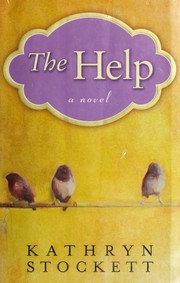
Kathryn Stockett's debut novel is set in Jackson, Mississippi, in 1962 and tells the stories of three women -- two Black maids and one young white socialite -- who collaborate on a book that exposes the racism embedded in their community. The Help became a publishing phenomenon, spending over 100 weeks on the New York Times bestseller list and selling more than 10 million copies. Stockett captures the tensions of the Civil Rights era with warmth and sharp observation, though the novel has also generated important discussions about whose stories get told and by whom. Regardless of where one falls in that debate, The Help remains a compelling and accessible entry point into the history of race relations in the American South. It is a page-turner that sparks conversation long after the last page.
14. City of Thieves by David Benioff

David Benioff's novel is set during the Siege of Leningrad in World War II and follows two young men given an impossible task: find a dozen eggs for a powerful Soviet colonel's daughter's wedding cake, or face execution. What follows is a darkly comic, deeply moving adventure through one of the most horrific sieges in human history. Benioff balances humor and horror with remarkable skill, creating a novel that is both a war story and a buddy comedy. City of Thieves captures the absurdity and cruelty of war without ever losing its sense of humanity. It is a relatively short novel that packs an enormous emotional punch. For readers who want a World War II novel that avoids the usual tropes, this is a must-read and one of the most underrated books on this list.
15. The Alice Network by Kate Quinn

Kate Quinn's bestseller weaves together two timelines: a female spy network in World War I France and a young American woman searching for her missing cousin in the aftermath of World War II. The Alice Network is based on the true story of the Louise de Bettignies spy ring, a real network of women who gathered intelligence behind German lines. Quinn brings both eras to life with vivid detail and propulsive plotting. The novel's two heroines are complex, flawed, and fiercely determined, and their converging stories build to a deeply satisfying conclusion. The Alice Network has sold over 2 million copies and helped spark a wave of interest in women's untold stories from both World Wars. It is a page-turner that proves historical fiction can be both entertaining and illuminating.
16. The Tattooist of Auschwitz by Heather Morris
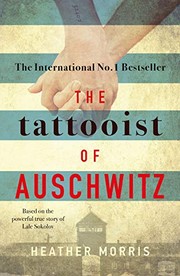
Based on the true story of Lale Sokolov, a Slovakian Jew who was forced to tattoo identification numbers on the arms of fellow prisoners at Auschwitz-Birkenau, this novel tells an unlikely love story set against the most horrific backdrop imaginable. Lale meets Gita when he tattoos her arm, and their determination to survive and build a life together drives the narrative. Heather Morris based the novel on years of interviews with the real Lale Sokolov, and that authenticity gives the story its power. The Tattooist of Auschwitz has sold over 10 million copies worldwide and been translated into more than 60 languages. It is a testament to the resilience of the human spirit and a reminder that even in the darkest places, love can endure.
17. The Dovekeepers by Alice Hoffman
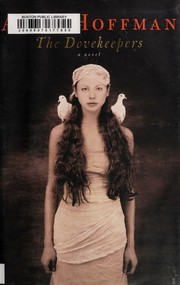
Alice Hoffman's ambitious novel is set in 73 CE during the Roman siege of Masada, the ancient fortress where nearly a thousand Jewish rebels made their last stand against the Roman Empire. The story is told through four extraordinary women who tend the dovecotes and whose lives intersect in unexpected ways. Hoffman spent years researching ancient Jewish history, Roman military tactics, and the desert landscape, and her prose brings this distant world to startling life. The Dovekeepers is a sweeping, immersive novel that explores faith, survival, and the strength of women in a patriarchal world. It is a critically acclaimed achievement that proves historical fiction can reach back thousands of years and still feel urgently relevant. For readers drawn to ancient history, this is an essential addition to the shelf.
18. The Shadow of the Wind by Carlos Ruiz Zafon
Carlos Ruiz Zafon's atmospheric novel is set in post-Civil War Barcelona and follows young Daniel Sempere, who discovers a forgotten book in the Cemetery of Forgotten Books and becomes obsessed with tracking down its mysterious author. The Shadow of the Wind is part historical fiction, part gothic mystery, and part love letter to the power of literature itself. Zafon captures the dark, labyrinthine beauty of Barcelona under the Franco regime with prose that is rich, cinematic, and deeply evocative. The novel has sold over 15 million copies worldwide and been translated into more than 40 languages. It is the first volume in a quartet that explores the same world from different angles. For readers who love atmospheric storytelling and literary mysteries, this is a must-read.
19. The Poisonwood Bible by Barbara Kingsolver
Barbara Kingsolver's novel follows the Price family, an evangelical Baptist family from Georgia who travels to the Belgian Congo in 1959 on a misguided mission to convert the local population. Told through the voices of the wife and four daughters, The Poisonwood Bible chronicles their disillusionment, survival, and the long aftermath of their African experience. Kingsolver uses the family's story to explore the broader history of Western colonialism in Africa, the Congo's struggle for independence, and the arrogance of cultural imperialism. The novel is funny, heartbreaking, and politically incisive. It has sold millions of copies and is frequently assigned in university courses on postcolonial literature. The Poisonwood Bible is one of those rare novels that makes you rethink everything you thought you knew about a period of history.
20. All Quiet on the Western Front by Erich Maria Remarque
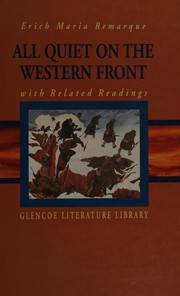
Originally published in 1929, Erich Maria Remarque's novel remains the definitive literary account of World War I. It follows Paul Baumer, a young German soldier who enlists with his classmates and quickly discovers that the patriotic ideals they were taught have nothing to do with the reality of trench warfare. Remarque, himself a World War I veteran, writes with a raw, unflinching honesty that made the novel controversial upon publication. The Nazis burned copies of the book and stripped Remarque of his German citizenship. All Quiet on the Western Front has sold over 20 million copies and been adapted into multiple films, including a critically acclaimed 2022 Netflix version. It endures because its message is timeless: war destroys the young, and the people who start wars are never the ones who fight them.
21. The Red Tent by Anita Diamant
Anita Diamant's novel reimagines the biblical story of Dinah, daughter of Jacob, giving voice to a woman who appears only briefly in the Book of Genesis. Set in the ancient Near East, The Red Tent explores the lives of women in a patriarchal world through the rituals, relationships, and traditions that sustained them. The red tent of the title is the place where women gathered during menstruation and childbirth, a space that was entirely their own. Diamant's novel became a word-of-mouth bestseller, eventually selling over 3 million copies and inspiring book club discussions across the country. It opened the door for a wave of historical fiction that centers women's experiences in ancient and biblical settings. The Red Tent remains a beloved and influential novel that proves the oldest stories still have new things to tell us.
22. Pachinko by Min Jin Lee
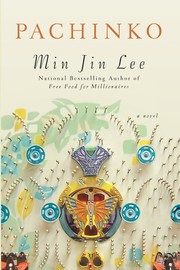
Min Jin Lee's sweeping novel follows four generations of a Korean family in Japan, beginning in the early 1900s and spanning nearly a century. Sunja, the daughter of a poor fisherman, makes a fateful choice that reverberates through the lives of her children and grandchildren as they navigate the discrimination and hardship faced by ethnic Koreans living in Japan. Pachinko was a finalist for the National Book Award and became a bestseller, earning praise for its epic scope and intimate emotional detail. Lee spent nearly thirty years researching and writing the novel, and her dedication to historical accuracy is evident on every page. Pachinko is a critically acclaimed masterpiece that illuminates a history most Western readers know nothing about. It is one of the most important works of historical fiction published in the last decade.
23. The Historian by Elizabeth Kostova
Elizabeth Kostova's debut novel is a literary thriller that spans centuries and continents in pursuit of the truth behind the Dracula legend. A young woman discovers a mysterious book and a series of letters in her father's library, and the investigation leads her through the archives and monasteries of Europe, uncovering a trail that connects medieval history to the present day. Kostova spent ten years writing The Historian, and her research into Ottoman history, medieval Eastern Europe, and archival scholarship gives the novel a remarkable sense of authenticity. The Historian debuted at number one on the New York Times bestseller list, a rare achievement for a debut literary novel. It is a page-turner that combines the pleasures of a thriller with a genuine love of history and scholarship.
24. The Underground Railroad by Colson Whitehead
Colson Whitehead's Pulitzer Prize and National Book Award-winning novel reimagines the Underground Railroad as a literal railroad beneath the Southern soil. Cora, an enslaved woman on a Georgia cotton plantation, escapes north and discovers that each state she passes through represents a different stage in American racial history. Whitehead's conceit is bold and brilliantly executed, allowing him to compress centuries of oppression, resistance, and transformation into a single narrative. The prose is precise and devastating, and Cora is a protagonist of extraordinary resilience. The Underground Railroad has been adapted into a critically acclaimed television series directed by Barry Jenkins. It is a landmark work of American fiction that uses the tools of historical fiction to confront the deepest wounds in the nation's history.
25. Circe by Madeline Miller

Madeline Miller's novel retells the story of Circe, the enchantress from Homer's Odyssey, giving her a full, complex inner life. Born to the Titan Helios and a sea nymph, Circe discovers her power of witchcraft and is banished to a remote island, where she encounters many of the most famous figures in Greek mythology. Miller, a classicist by training, writes with authority and beauty, transforming a figure who was often reduced to a minor antagonist into the heroine of her own story. Circe was a bestseller and a critical darling, praised for its feminist reinterpretation of ancient myth. It is both a deeply satisfying standalone novel and a companion to Miller's earlier award-winning novel, The Song of Achilles. For readers who love mythology brought to life, Circe is essential.
Best Historical Fiction Books by Sub-Category
Best WWII Historical Fiction
World War II remains the single richest setting in historical fiction, and for good reason. The scale of the conflict, the moral clarity of its central struggle, and the sheer number of untold stories provide endless material for novelists. All the Light We Cannot See by Anthony Doerr captures the war through two indelible characters whose paths converge in occupied France. The Book Thief by Markus Zusak finds beauty and meaning in wartime Germany through the eyes of a young girl and the personification of Death. The Nightingale by Kristin Hannah highlights the heroism of women in the French Resistance. City of Thieves by David Benioff brings dark humor to the Siege of Leningrad. The Tattooist of Auschwitz by Heather Morris tells a true love story from inside the concentration camps. And The Alice Network by Kate Quinn bridges both World Wars through a network of female spies. These novels represent the breadth of what WWII fiction can accomplish, from intimate character studies to sweeping epics.
Best Medieval Historical Fiction
The medieval period offers a world of cathedrals, crusades, plagues, and political intrigue that is irresistible to historical fiction writers. The Pillars of the Earth by Ken Follett is the towering achievement of the subgenre, a novel that makes 12th-century England feel as vivid and dramatic as any modern thriller. Wolf Hall by Hilary Mantel brings Tudor England to life through the eyes of Thomas Cromwell with a literary sophistication that redefined what historical fiction could achieve. The Name of the Rose by Umberto Eco combines medieval monastic life with a gripping murder mystery and philosophical depth. The Shadow of the Wind by Carlos Ruiz Zafon, while set in the 20th century, carries a gothic medieval sensibility in its labyrinthine narrative. For readers who love swords, stone walls, and the politics of the pre-modern world, these novels are essential starting points.
Best Historical Fiction Series
Some historical periods are too vast for a single novel, and the best historical fiction series reward readers who commit to the long journey. Outlander by Diana Gabaldon spans nine novels and covers centuries of Scottish, American, and world history through the adventures of Claire and Jamie Fraser. The Pillars of the Earth launched the Kingsbridge series, which follows the fictional English town through the medieval period and beyond. The Shadow of the Wind is the first of Carlos Ruiz Zafon's Cemetery of Forgotten Books quartet. Wolf Hall begins Hilary Mantel's Thomas Cromwell trilogy, which concludes with the award-winning The Mirror and the Light. Pachinko by Min Jin Lee, while a standalone novel, spans four generations and reads with the narrative sweep of a great series. These are the books that keep you coming back for more, building worlds so rich you never want to leave.
Best Historical Fiction Debuts
A debut novel that takes on the weight of history is a bold gamble, and these authors pulled it off brilliantly. The Kite Runner by Khaled Hosseini arrived as one of the most powerful debut novels of the 21st century, bringing Afghanistan's story to the world. The Help by Kathryn Stockett spent years being rejected by publishers before becoming a massive bestseller about Civil Rights-era Mississippi. The Historian by Elizabeth Kostova debuted at number one on the New York Times list with a literary thriller rooted in medieval European history. The Alice Network by Kate Quinn launched a career defined by meticulously researched stories of women in wartime. And Pachinko by Min Jin Lee, while technically not Lee's first novel, was the book that established her as one of the most important historical fiction writers working today. These debuts prove that fresh voices often have the boldest stories to tell.
Frequently Asked Questions
What is the difference between historical fiction and historical romance?
Historical fiction is any novel set in the past that uses real historical events, settings, or figures as a backdrop for its story. Historical romance is a subgenre that focuses specifically on a romantic relationship as the central plot, typically with an emotionally satisfying ending. Many historical fiction novels include romance -- Outlander and Memoirs of a Geisha both have strong romantic elements -- but they are classified as historical fiction because the historical setting and broader plot carry equal weight to the love story. If the romance is the primary engine of the narrative, it is historical romance. If the historical setting and events drive the story alongside or above the romance, it is historical fiction.
How historically accurate do these novels need to be?
The best historical fiction authors strive for accuracy in setting, customs, and major events, but they also take creative liberties to serve the story. Hilary Mantel spent years in archives researching Thomas Cromwell, but she still had to imagine conversations and interior thoughts that no historical record preserves. Colson Whitehead turned the Underground Railroad into a literal train, a deliberate departure from historical fact that allowed him to explore deeper truths about American history. The standard is not perfect accuracy but rather emotional and contextual authenticity. Readers should feel that the world is real, even if specific details have been adjusted or invented to serve the narrative.
Where should I start if I have never read historical fiction?
Start with a novel that connects to a period of history that already interests you. If you are drawn to World War II, The Nightingale or All the Light We Cannot See are accessible and emotionally powerful entry points. If medieval history appeals to you, The Pillars of the Earth is an unmatched page-turner. If you want something more recent, The Kite Runner offers a vivid window into late 20th-century Afghanistan. The key is choosing a book whose setting excites your curiosity, because the best historical fiction makes you want to learn more about the real events behind the story.
Can historical fiction be considered literary fiction?
Absolutely. Many of the novels on this list have won the most prestigious literary prizes in the world. Beloved by Toni Morrison won the Pulitzer Prize and is considered one of the greatest American novels ever written. Wolf Hall by Hilary Mantel won the Booker Prize. The Underground Railroad by Colson Whitehead won both the Pulitzer and the National Book Award. The distinction between "literary" and "genre" fiction has always been artificial, and historical fiction has produced some of the most ambitious and beautifully written novels in the English language. The genre's best practitioners -- Morrison, Mantel, Doerr, Whitehead -- are among the finest prose stylists of their generations.
You might also enjoy exploring the best literary fiction books, the best romance novels, or the best adventure books for more reading inspiration.
Discover your next great historical fiction read without extra screen time. speakeasy converts book reviews, author interviews, and literary articles into audio you can enjoy anywhere. Paste any URL and listen -- 3 free articles per week, no account needed.