The best selling health and wellness books have fundamentally changed how millions of people eat, sleep, move, and think about their bodies. Unlike fad diet guides that promise quick fixes and deliver disappointment, the books on this list are grounded in research, written by credible experts, and have stood up to scrutiny from both the scientific community and the readers who have put their advice into practice. Health and wellness publishing has exploded in the past decade, making it harder than ever to separate evidence-based guidance from marketing dressed up as medicine. This guide cuts through the noise. These 25 books represent the most impactful, best selling, and genuinely useful health and wellness titles ever published, covering nutrition, mental health, fitness, sleep, and longevity. Whether you want to overhaul your diet or simply understand your body better, your next step is here.
What Makes a Great Health and Wellness Book?
A great health and wellness book starts with credible science and communicates it in language that ordinary readers can act on. The best authors in this space are researchers, physicians, or journalists who have spent years studying their subject and can translate complex findings without dumbing them down. Anecdotes are fine for illustration, but the core claims should be backed by peer-reviewed research. Equally important is actionability. A health book that diagnoses a problem without offering practical solutions is an academic paper, not a guide. The books on this list tell you what to do, why it works, and how to start. They respect the reader's intelligence and time, and they have earned trust through results.
The Best Selling Health and Wellness Books of All Time
1. Why We Sleep by Matthew Walker
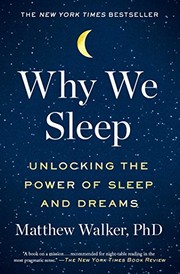
Matthew Walker's 2017 book made sleep a public health conversation. As a neuroscience professor at UC Berkeley and director of the Center for Human Sleep Science, Walker presents two decades of research showing that sleep deprivation contributes to heart disease, cancer, Alzheimer's, obesity, diabetes, depression, and anxiety. The book is alarming by design, because Walker believes the sleep loss epidemic is the most underrecognized public health crisis of our time. He explains sleep architecture, dreaming, and circadian rhythms with clarity, then provides concrete recommendations for improving sleep quality. The book sold millions of copies and changed how many readers, and their employers, think about rest.
2. The Body Keeps the Score by Bessel van der Kolk
Bessel van der Kolk's 2014 masterwork transformed public understanding of trauma. Drawing on thirty years of clinical research, van der Kolk explains how traumatic experiences literally reshape the brain and body, disrupting the systems that regulate emotions, physical sensations, and self-awareness. He examines treatments ranging from EMDR and yoga to neurofeedback and theater, arguing that recovery requires engaging the body, not just talking about the past. The book became a phenomenon, spending years on the New York Times bestseller list and selling millions of copies. It gave language to experiences that many people struggled to articulate and redirected the conversation about mental health toward the body's role in healing.
3. Breath by James Nestor

James Nestor's 2020 investigation into the science of breathing revealed that most modern humans breathe incorrectly, and that this dysfunction contributes to a startling range of health problems. Nestor participated in a Stanford experiment where researchers sealed his nose shut for ten days, documenting the rapid deterioration in his blood pressure, heart rate variability, and cognitive function. He then explored breathing practices from ancient traditions and modern research, demonstrating that simple changes in how we breathe can improve asthma, anxiety, athletic performance, and sleep. The book is part science journalism, part personal experiment, and entirely compelling.
4. Atomic Habits by James Clear
James Clear's 2018 book on habit formation sits at the intersection of health, productivity, and behavioral psychology. While not exclusively a health book, its framework for building good habits and breaking bad ones has been applied by millions of readers to exercise routines, nutrition changes, sleep hygiene, and stress management. Clear's four-law system (make it obvious, attractive, easy, and satisfying) provides a practical architecture for behavior change that respects the complexity of human psychology. The writing is clean and the examples are concrete. It has sold over 15 million copies and remains one of the most recommended books in the wellness space.
For more on building lasting habits, see our guide to best selling self-help books.
5. How Not to Die by Michael Greger
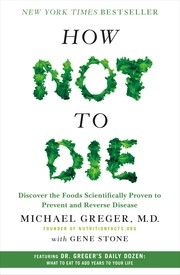
Michael Greger's 2015 book examines the fifteen leading causes of death in America and presents the scientific evidence for dietary interventions that can prevent, arrest, or reverse each one. Greger, a physician and nutrition researcher, reviews thousands of studies to build his case for a whole-food, plant-based diet. The book is organized by disease in the first half and by food group in the second, making it both a reference and a practical guide. His daily dozen checklist, listing the foods he recommends eating every day, has become a widely adopted framework. The depth of research is impressive, and while some critics find his conclusions too strong, the evidence he presents is substantial.
6. Born to Run by Christopher McDougall
Christopher McDougall's 2009 book transformed the running world by telling the story of the Tarahumara, an indigenous Mexican people who run extraordinary distances in thin sandals without the injuries that plague modern runners. The narrative weaves together evolutionary biology, biomechanics, and adventure journalism to argue that humans evolved as endurance runners and that modern running shoes may cause more injuries than they prevent. The book ignited the minimalist running movement and sold millions of copies. Even readers who never adopt barefoot running come away with a deeper understanding of human movement and the joy of running without technology.
7. The Obesity Code by Jason Fung

Jason Fung's 2016 book challenges the calories-in-calories-out model of weight management, arguing that insulin resistance, not calorie excess, is the primary driver of obesity. Fung, a nephrologist who treats patients with type 2 diabetes, presents research on hormonal regulation of body weight and makes a case for intermittent fasting as a more effective approach than calorie restriction. The book is well-sourced and clearly written, walking readers through the biology of insulin, the history of dietary advice, and the practical application of fasting protocols. It has become one of the most influential books in the low-carb and fasting communities.
8. In Defense of Food by Michael Pollan
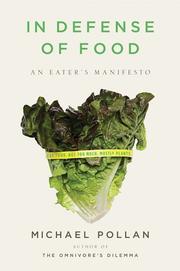
Michael Pollan's 2008 book opens with seven words that became the most quoted dietary advice of the century: "Eat food. Not too much. Mostly plants." The rest of the book unpacks that deceptively simple prescription, examining how the Western diet went wrong and what nutritional science actually knows versus what it claims to know. Pollan argues that the reductionist approach of studying individual nutrients misses the complexity of whole foods and traditional diets. The writing is elegant and persuasive, and the book has helped millions of readers develop a healthier, less anxious relationship with food. It remains the most accessible entry point to thinking critically about nutrition.
9. The China Study by T. Colin Campbell
T. Colin Campbell's 2005 book presents findings from the most comprehensive study of nutrition ever conducted, a twenty-year partnership between Cornell University, Oxford University, and the Chinese Academy of Preventive Medicine. The research examined diet and disease patterns across rural China, and Campbell's conclusions strongly favor a whole-food, plant-based diet for preventing cancer, heart disease, and diabetes. The book has sold over a million copies and fundamentally shaped the plant-based eating movement. While some of Campbell's interpretations have been debated by other researchers, the underlying data remains one of the most important nutritional datasets in existence.
10. Spark by John J. Ratey
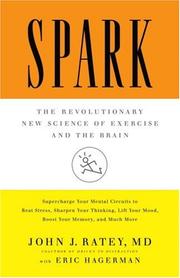
John Ratey's 2008 book presents the neuroscience case for exercise as medicine for the brain. Drawing on research from a revolutionary fitness program at a school in Naperville, Illinois, where students who exercised before class dramatically outperformed their peers, Ratey shows that physical activity is the single most powerful tool available for improving cognitive function, mood, and mental health. The book covers how exercise affects learning, stress, anxiety, depression, ADHD, addiction, and aging. Ratey writes with the authority of a clinical psychiatrist and the urgency of someone who believes this information could transform public health. It has become essential reading for educators, therapists, and anyone who wants to understand why movement matters.
11. Brain Food by Lisa Mosconi

Lisa Mosconi's 2018 book brings neuroscience to the kitchen table, examining how specific foods and dietary patterns affect brain health, cognitive performance, and the risk of dementia. As the director of the Weill Cornell Women's Brain Initiative, Mosconi draws on brain imaging studies to show how nutrients are metabolized differently by brain tissue than by other organs. The book provides specific dietary recommendations based on this research, emphasizing water intake, omega-3 fatty acids, and antioxidant-rich foods. It fills an important gap between general nutrition advice and the emerging science of neuro-nutrition, and it does so in language accessible to general readers.
12. The Whole30 by Melissa Hartwig
Melissa Hartwig's 2015 book codified the elimination diet program that had already attracted a massive following online. The premise is straightforward: remove sugar, alcohol, grains, legumes, soy, and dairy from your diet for thirty days, then systematically reintroduce them to identify which foods cause negative reactions. The program is strict by design, and the book provides both the scientific rationale and the practical meal plans to execute it. Critics argue the restrictions are unnecessarily broad, but millions of readers have used the program to identify food sensitivities and reset their eating habits. The community around the program remains one of the most active in wellness publishing.
13. Lifespan by David Sinclair

David Sinclair's 2019 book argues that aging is a disease, not an inevitability, and that science is approaching the ability to slow, stop, or reverse it. As a professor of genetics at Harvard Medical School, Sinclair presents research on sirtuins, NAD+, and epigenetic reprogramming, making a case that the biological mechanisms of aging are more malleable than previously believed. The book covers caloric restriction, cold exposure, exercise, and compounds like resveratrol and metformin. Sinclair's optimism about the future of longevity science is infectious, and while some of his more ambitious predictions remain speculative, the research he presents is genuinely frontier science accessible to general readers.
14. Outlive by Peter Attia
Peter Attia's 2023 book on the science and art of longevity became an instant bestseller by shifting the conversation from lifespan to healthspan. Attia, a physician trained in surgical oncology who now focuses on applied longevity science, argues that modern medicine excels at treating acute disease but fails at preventing the chronic conditions that define the final decades of most lives. The book covers exercise (including the specific modalities he considers non-negotiable), nutrition, sleep, and emotional health with unusual specificity. Attia provides detailed frameworks for cardiovascular fitness, strength, stability, and metabolic health that go far beyond generic advice. It is the most rigorous popular longevity book published to date.
15. Ultra-Processed People by Chris van Tulleken

Chris van Tulleken's 2023 investigation into ultra-processed food became one of the most important nutrition books in years. As an infectious disease doctor at University College London, van Tulleken examines the science behind foods engineered by corporations to be consumed in excess. He participated in a personal experiment eating an 80% ultra-processed diet for a month, documenting the measurable changes to his brain, body composition, and hunger hormones. The book traces how industrial food production has replaced cooking in most households and connects this shift to rising rates of obesity, diabetes, and chronic disease. The writing is rigorous, accessible, and frequently disturbing.
16. The Body by Bill Bryson

Bill Bryson's 2019 tour of the human body applies his signature curiosity and humor to anatomy and physiology. The book covers every major organ system, from the brain to the immune system to the microbiome, weaving together history, science, and surprising facts. Bryson is not a scientist but an extraordinarily gifted science communicator, and his ability to make complex biology entertaining without sacrificing accuracy makes this one of the most readable health books ever published. You will learn why your stomach does not digest itself, how your immune system distinguishes self from non-self, and why you have an appendix. It is a celebration of the body's complexity written for anyone curious about the machinery they inhabit.
17. The Circadian Code by Satchin Panda

Satchin Panda's 2018 book introduces the science of circadian biology to a general audience, explaining how the timing of eating, sleeping, and exercising matters as much as the content. As a professor at the Salk Institute, Panda's research on time-restricted eating has demonstrated that confining food intake to a consistent daily window can improve metabolic health independent of dietary changes. The book covers how circadian rhythms regulate virtually every biological process and provides practical schedules for optimizing health through timing. It is particularly valuable for shift workers and anyone whose schedule conflicts with their body's natural rhythms.
18. Exercised by Daniel Lieberman
Daniel Lieberman's 2021 book examines exercise through the lens of evolutionary biology, asking why humans evolved to be physically active but also evolved to avoid unnecessary exertion. As a professor of human evolutionary biology at Harvard, Lieberman draws on research from hunter-gatherer populations to debunk common myths about exercise, including the idea that our ancestors were relentlessly active. The book explains why sitting is not literally killing you (but inactivity might be), why we struggle with motivation to exercise, and what types and amounts of physical activity the evidence actually supports. It is the most nuanced and scientifically grounded exercise book available, written with humor and intellectual honesty.
19. The Glucose Revolution by Jessie Inchauspe

Jessie Inchauspe's 2022 book translates complex glucose science into ten practical dietary hacks that flatten blood sugar spikes without requiring a restrictive diet. Using continuous glucose monitor data and published research, Inchauspe shows how the order in which you eat foods, whether you move after meals, and how you combine nutrients dramatically affect glucose response. The recommendations are simple: eat vegetables first, add vinegar to meals, move for ten minutes after eating. The book avoids demonizing any food group and instead focuses on optimizing how the body processes what you already eat. Its practical, non-restrictive approach made it a global bestseller, particularly popular among readers tired of elimination diets.
20. Lost Connections by Johann Hari
Johann Hari's 2018 book challenges the purely chemical model of depression and anxiety, arguing that disconnection from meaningful work, other people, nature, and hope plays a far larger role than serotonin deficiency alone. Hari draws on interviews with leading researchers and his own experience with antidepressants to build a case for social prescribing, reconnecting with nature, and addressing the environmental causes of depression rather than treating it solely as a brain chemistry problem. The book does not argue against medication but makes a compelling case that the conversation about mental health has been too narrow. It has resonated with millions of readers who feel the current approach is incomplete.
21. The Wim Hof Method by Wim Hof
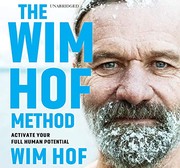
Wim Hof's 2020 book codifies the breathing and cold exposure practices that made the Dutch athlete famous for swimming under ice and running barefoot marathons in snow. The method combines specific breathing exercises, progressive cold exposure, and meditation. While Hof's personal feats are extreme, the book presents research from Radboud University demonstrating that practitioners can voluntarily influence their immune response and autonomic nervous system, processes previously considered beyond conscious control. The protocols are clearly laid out and progressive, allowing readers to start with cold showers and basic breathing before advancing. It is the most accessible guide to deliberate cold exposure and breathwork available.
22. Gut by Giulia Enders
Giulia Enders's 2015 book made the digestive system fascinating to millions of readers who had never given their intestines a second thought. Written with charm and illustrated by her sister Jill, the book covers the anatomy of digestion, the microbiome, and the gut-brain connection with scientific rigor wrapped in an approachable voice. Enders explains why you should sit rather than stand to eat, how gut bacteria influence mood and immunity, and what actually happens during digestion. The book was a global phenomenon, selling millions of copies in dozens of languages. It helped launch the public fascination with the microbiome that continues to shape both research and consumer health products.
23. Why We Get Sick by Benjamin Bikman

Benjamin Bikman's 2020 book places insulin resistance at the center of chronic disease, arguing that metabolic dysfunction drives conditions from heart disease and cancer to Alzheimer's and infertility. As a metabolic scientist at Brigham Young University, Bikman presents research connecting hyperinsulinemia to virtually every major chronic illness. The book explains the biology of insulin resistance in accessible terms, then provides dietary and lifestyle strategies for addressing it. Bikman's recommendations center on reducing refined carbohydrates, prioritizing protein, and incorporating regular movement. It is a thorough, research-heavy book that rewards careful reading and provides a unified framework for understanding metabolic health.
24. Keep Sharp by Sanjay Gupta
Sanjay Gupta's 2021 book on brain health distills neuroscience research into a practical five-pillar framework for maintaining cognitive function across the lifespan. Gupta, a practicing neurosurgeon and CNN's chief medical correspondent, covers exercise, sleep, nutrition, social connection, and mental stimulation, presenting the evidence for each pillar with clinical authority. The book is particularly strong on debunking myths about brain aging and cognitive decline, including the idea that dementia is inevitable. Gupta's recommendations are specific and achievable, from the types of exercise that most benefit the brain to the dietary patterns associated with reduced Alzheimer's risk. It is a reassuring, evidence-based guide to aging well.
25. When the Body Says No by Gabor Mate
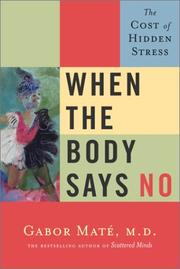
Gabor Mate's 2003 book examines the connection between emotional stress and physical illness, drawing on clinical experience and research to argue that chronic suppression of emotions contributes to autoimmune disease, cancer, and chronic pain. Mate presents case studies of patients whose diseases he links to patterns of emotional repression, particularly the tendency to prioritize others' needs over one's own. While the direct causal links Mate draws are stronger than some researchers would endorse, the broader point that emotional and physical health are deeply connected is well-supported by psychoneuroimmunology research. The book has become essential reading in integrative medicine and trauma-informed care.
Best Health and Wellness Books by Sub-Category
Best Nutrition Books
Nutrition is the most contested territory in health publishing, which makes choosing the right books especially important. In Defense of Food by Michael Pollan remains the best starting point for anyone overwhelmed by conflicting dietary advice, cutting through the noise with elegance and common sense. How Not to Die by Michael Greger provides the most comprehensive review of nutritional research and its implications for disease prevention. Ultra-Processed People by Chris van Tulleken is the most important recent addition to the nutrition canon, revealing the health consequences of industrial food manufacturing. The Glucose Revolution by Jessie Inchauspe offers practical, non-restrictive strategies for optimizing blood sugar. And The China Study by T. Colin Campbell presents one of the largest nutritional research datasets ever assembled.
For kitchen-tested recipes that put nutritional wisdom into practice, see our guide to best selling cookbooks.
Best Mental Health Books
Understanding the mind requires looking beyond simple chemical models of mood. The Body Keeps the Score by Bessel van der Kolk is the most important book on trauma published in the past two decades, explaining how traumatic experiences reshape the brain and body. Lost Connections by Johann Hari broadens the conversation about depression beyond serotonin, exploring the social and environmental roots of mental illness. When the Body Says No by Gabor Mate examines how suppressed emotions manifest as physical disease. Spark by John Ratey makes the neuroscience case for exercise as the most powerful available intervention for mood, anxiety, and cognitive function. Together, these books present a more complete picture of mental health than any single title could provide.
For deeper exploration of the mind, see our guide to best selling psychology books.
Best Fitness Books
The best fitness books teach principles rather than prescribing rigid routines. Born to Run by Christopher McDougall reframes the human body as an endurance machine and makes the case for joyful, natural movement. Exercised by Daniel Lieberman debunks common exercise myths using evolutionary biology and provides the most nuanced view of what physical activity actually does for health. Outlive by Peter Attia offers the most specific, medically grounded exercise framework for longevity, covering cardiovascular fitness, strength, and stability in detail. The Wim Hof Method introduces deliberate cold exposure and breathwork as tools for resilience and immune function. Spark by John Ratey demonstrates that exercise is not just for the body but is the most potent brain medicine available.
Best Sleep and Recovery Books
Sleep science has advanced dramatically in the past decade, and these books capture the most important findings. Why We Sleep by Matthew Walker is the definitive popular science book on sleep, covering its architecture, function, and the devastating consequences of deprivation. The Circadian Code by Satchin Panda extends the conversation to timing, showing how aligning eating, sleeping, and activity with circadian rhythms improves health independent of other changes. Breath by James Nestor demonstrates that how we breathe during both waking hours and sleep profoundly affects recovery and health. The Wim Hof Method includes breathwork and cold exposure protocols that practitioners report improve sleep quality and recovery. These books collectively make the case that rest and recovery deserve as much attention as activity and effort.
Frequently Asked Questions
What is the most popular health and wellness book right now?
As of early 2026, Outlive by Peter Attia continues to dominate health and wellness bestseller lists, driven by sustained word-of-mouth and a growing cultural interest in longevity science. Ultra-Processed People by Chris van Tulleken has also maintained strong sales as the conversation around ultra-processed food intensifies. The Body Keeps the Score by Bessel van der Kolk remains a perennial bestseller years after publication, reflecting ongoing public interest in trauma and mental health. The health and wellness category tends to produce long-tail sellers that accumulate sales over years rather than spiking and fading.
Are health and wellness books a reliable source of medical advice?
The best health and wellness books are written by credentialed researchers and physicians who cite peer-reviewed studies, making them valuable sources of general health education. However, they should complement rather than replace personalized medical advice. Books like Outlive by Peter Attia and Why We Sleep by Matthew Walker present rigorous science in accessible form, but individual health decisions should account for personal medical history, medications, and conditions that no book can address. Use these books to ask better questions of your healthcare providers and to develop a more informed perspective on your own health.
Which health book should I read first?
If you want broad, actionable impact, start with Atomic Habits by James Clear, because building sustainable habits is the foundation that makes every other health change stick. If nutrition is your primary interest, In Defense of Food by Michael Pollan provides the clearest framework for eating well without anxiety. If you are struggling with sleep, Why We Sleep by Matthew Walker is the most compelling case for prioritizing rest. And if you want a comprehensive framework for long-term health, Outlive by Peter Attia covers exercise, nutrition, sleep, and emotional health with unusual specificity and rigor.
How do I know if a health book is based on good science?
Check the author's credentials and look for books that cite specific studies rather than making broad claims without evidence. Authors affiliated with research institutions (Matthew Walker at UC Berkeley, David Sinclair at Harvard, Satchin Panda at the Salk Institute) tend to be more reliable because their reputations depend on scientific accuracy. Look for books that acknowledge limitations and uncertainties rather than promising guaranteed results. Read critical reviews alongside positive ones to understand where experts disagree. And be skeptical of any book that claims a single intervention can cure everything. The best health books are honest about what the evidence supports and where questions remain.
Discover your next great health and wellness read without extra screen time. speakeasy converts book reviews, author interviews, and literary articles into audio you can enjoy anywhere. Paste any URL and listen -- 3 free articles per week, no account needed.