The best selling thriller books have a singular mission: to make it impossible for you to stop reading. Whether the tension comes from a serial killer closing in, a conspiracy unraveling at the highest levels of government, or a narrator whose version of events you cannot quite trust, the effect is the same. Your pulse quickens. The pages blur past. The outside world ceases to exist. Thrillers have dominated bestseller lists for decades because they tap into something primal -- our need to solve the puzzle, to survive the danger, to know the truth before it is too late. This list collects the 25 best selling thriller books of all time, spanning psychological suspense, legal intrigue, espionage, and relentless action. These are the must-read novels that defined the genre and continue to captivate millions of readers worldwide. If you are looking for your next great page-turner, start here.
What Makes a Great Thriller Book?
A great thriller operates on controlled uncertainty. The reader must want something -- an answer, a resolution, a rescue -- and the author must keep that thing just barely out of reach. Pacing is everything. The best thriller writers understand that tension is not about constant action but about the spaces between action, the moments when dread builds and possibilities narrow. Character matters too. A thriller protagonist does not need to be likable, but they must be compelling enough that you care whether they survive. The antagonist must feel genuinely dangerous, not merely theatrical. And the plot must be airtight enough that when the final twist lands, it feels both surprising and inevitable. The critically acclaimed thrillers on this list all share these qualities, regardless of whether they lean toward courtroom drama, psychological manipulation, or globe-spanning espionage.
The Best Selling Thriller Books of All Time
1. The Silence of the Lambs by Thomas Harris
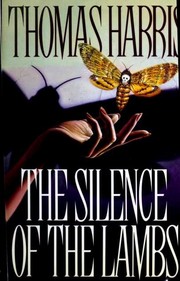
Thomas Harris created one of fiction's most terrifying and fascinating characters in Dr. Hannibal Lecter, a brilliant psychiatrist and cannibalistic serial killer. FBI trainee Clarice Starling must consult Lecter to catch another killer known as Buffalo Bill, and the psychological chess match between them is among the most gripping dynamics ever put to paper. Published in 1988, the novel won the Bram Stoker Award and spawned the Academy Award-winning film adaptation. This is the book that elevated the serial killer thriller from pulp entertainment to literary achievement. It remains a must-read for anyone who wants to understand the genre at its peak.
2. The Girl with the Dragon Tattoo by Stieg Larsson

Stieg Larsson's posthumously published 2005 novel introduced the world to Lisbeth Salander, a brilliant but deeply damaged hacker, and Mikael Blomkvist, a disgraced journalist. Together they investigate a decades-old disappearance on a remote Swedish island, uncovering a family history of violence and corruption. The novel sold over 80 million copies worldwide and launched the Millennium trilogy into a global phenomenon. Larsson blended investigative journalism, corporate crime, and deeply personal trauma into a bestseller that redefined Scandinavian noir. The pacing is methodical at first, then relentless once the pieces begin to connect.
3. Gone Girl by Gillian Flynn
Gillian Flynn's 2012 masterpiece is the novel that launched a thousand "unreliable narrator" thrillers. When Amy Dunne disappears on her fifth wedding anniversary, suspicion falls on her husband Nick. The dual-narrator structure peels back layers of a toxic marriage with surgical precision, and the midpoint twist remains one of the most shocking reveals in modern fiction. Gone Girl spent over 130 weeks on the New York Times bestseller list and became the defining psychological thriller of the 2010s. Flynn proved that domestic suspense could be as gripping as any espionage tale. This is the book club pick that everyone has an opinion about.
4. The Bourne Identity by Robert Ludlum
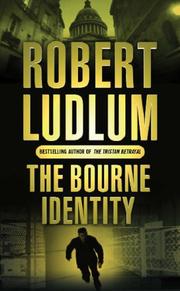
Robert Ludlum's 1980 novel opens with a man pulled from the Mediterranean Sea, riddled with bullets and suffering total amnesia. As he pieces together his identity, he discovers he may be a highly trained assassin named Jason Bourne, pursued by governments and shadowy operatives across Europe. The Bourne Identity essentially invented the modern amnesia thriller and influenced everything from film to video games. Ludlum's breakneck pacing and labyrinthine plot construction set the template for action thrillers that followed. The novel spawned a trilogy and a blockbuster film franchise that remains culturally dominant decades later.
5. The Firm by John Grisham
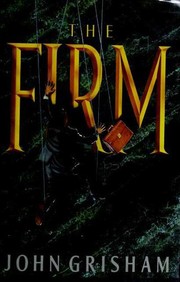
John Grisham's 1991 breakthrough tells the story of Mitch McDeere, a brilliant young lawyer lured to a prestigious Memphis tax firm that offers everything -- luxury cars, low-interest mortgages, and salaries that defy belief. The catch, naturally, is that the firm works for the Mafia, and leaving is not an option. The Firm sold over seven million copies in its first year and established Grisham as the undisputed king of the legal thriller. The novel works because McDeere's trap feels genuinely inescapable, and every avenue of escape carries its own lethal risk. It is the bestseller that made legal fiction a mainstream genre.
6. The Hunt for Red October by Tom Clancy
Tom Clancy's 1984 debut novel follows Soviet submarine captain Marko Ramius as he attempts to defect to the United States aboard the Red October, a revolutionary nuclear submarine with a silent propulsion system. CIA analyst Jack Ryan must convince the American military establishment that Ramius wants to defect rather than launch a first strike. Clancy's meticulous technical detail and geopolitical realism created the techno-thriller genre virtually overnight. The novel was famously endorsed by President Ronald Reagan and spent months on bestseller lists. It remains the gold standard for military thrillers that respect their readers' intelligence.
7. The Pelican Brief by John Grisham
In Grisham's 1992 follow-up to The Firm, a Tulane law student named Darby Shaw writes a legal brief theorizing why two Supreme Court justices were assassinated. Her theory turns out to be dangerously accurate, and suddenly everyone who has read it starts dying. Shaw teams up with investigative journalist Gray Grantham in a race to expose the conspiracy before it silences them both. The Pelican Brief sold 11 million copies in its first printing and cemented Grisham's position as a page-turner machine. The novel moves at an almost unreasonable pace, never pausing long enough for the reader to catch their breath.
8. No Country for Old Men by Cormac McCarthy
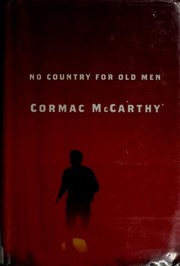
Cormac McCarthy's 2005 novel is a thriller stripped to its existential bones. When Llewelyn Moss stumbles upon two million dollars at a drug deal gone wrong in the Texas desert, he sets in motion a pursuit by Anton Chigurh, one of the most terrifying antagonists in American fiction. Sheriff Ed Tom Bell narrates the philosophical framework around this chase, meditating on violence, fate, and a world he no longer understands. McCarthy's spare prose and refusal to provide easy resolutions make this a thriller that haunts rather than merely entertains. The Coen Brothers' Oscar-winning adaptation introduced the novel to an even wider audience.
9. The Girl on the Train by Paula Hawkins
Paula Hawkins' 2015 debut became an instant NYT bestseller by taking a deceptively simple premise -- a woman who watches the same houses from her commuter train every day -- and building it into a devastating psychological thriller. Rachel Watson, an alcoholic whose memory is unreliable even to herself, witnesses something shocking from the train and becomes entangled in a missing persons investigation. The novel sold over 20 million copies and proved that the domestic thriller boom sparked by Gone Girl was no fluke. Hawkins excels at making the reader question every version of events presented. The claustrophobic focus on three women's intersecting lives creates an atmosphere of sustained dread.
10. Behind Closed Doors by B.A. Paris

B.A. Paris's 2016 debut novel presents what appears to be a perfect marriage between Jack and Grace Angel. He is a successful lawyer. She is gracious and beautiful. Their friends envy their relationship. But behind closed doors, the reality is a nightmare of control and psychological torment that escalates with every chapter. Behind Closed Doors became a word-of-mouth bestseller, driven by readers who could not stop recommending it. The novel works because Paris reveals the truth gradually, letting the horror of Grace's situation build through small, precise details. It is a page-turner in the truest sense, the kind of book that readers finish in a single sitting.
11. The Woman in the Window by A.J. Finn

A.J. Finn's 2018 debut follows Anna Fox, an agoraphobic child psychologist who spends her days drinking wine, watching old movies, and observing her neighbors from her Harlem brownstone window. When she witnesses what she believes is a violent crime in the house across the park, no one believes her -- least of all the police. The novel draws openly on Hitchcock's Rear Window and generated enormous commercial success despite later controversy around the author's identity. As a thriller, it delivers exactly what it promises: a claustrophobic, paranoid narrative where the protagonist's perception cannot be trusted. The book spent months on the NYT bestseller list.
12. The Silent Patient by Alex Michaelides
Alex Michaelides' 2019 debut became one of the fastest-selling thrillers of the decade. Alicia Berenson, a famous painter, shoots her husband five times in the face and then never speaks another word. Theo Faber, a criminal psychotherapist, becomes obsessed with uncovering why she did it. The novel's structure is deceptively simple, building toward a final revelation that recontextualizes everything that came before. The Silent Patient sold over six million copies and was translated into more than 50 languages. Michaelides, trained as a screenwriter, brings a cinematic precision to the pacing that makes the book almost impossible to put down. It is the award-winning debut that every subsequent psychological thriller has been measured against.
13. Dark Places by Gillian Flynn
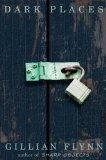
Gillian Flynn's 2009 novel follows Libby Day, whose testimony as a seven-year-old sent her brother Ben to prison for the murder of their mother and two sisters. Twenty-five years later, a group of amateur investigators convinces Libby to revisit the case, and the truth turns out to be far more complicated than anyone imagined. Dark Places alternates between 1985 and the present day, building two parallel narratives that converge with devastating force. While it preceded Gone Girl and received less initial attention, many critics consider it Flynn's finest work. The novel is unflinching in its portrayal of poverty, desperation, and the stories families tell to survive.
14. I Am Pilgrim by Terry Hayes

Terry Hayes' 2013 debut is a sprawling, globe-spanning thriller that follows a former intelligence operative known only as Pilgrim as he investigates a murder in a New York hotel room. The case leads him into a collision course with a jihadist scientist planning a biological attack of unprecedented scale. At nearly 900 pages, I Am Pilgrim is an ambitious work that combines forensic investigation, espionage tradecraft, and geopolitical complexity into a single relentless narrative. The novel became a massive international bestseller through word-of-mouth recommendations. Hayes, a former journalist and screenwriter, brings a cinematic scope to the story that few thriller writers have matched.
15. The Couple Next Door by Shari Lapena
Shari Lapena's 2016 novel opens with a couple returning home from a dinner party next door to discover their baby is missing from her crib. The ensuing investigation reveals that almost nothing about this couple, their neighbors, or their family relationships is what it appears. Lapena constructs a thriller built on short chapters and relentless reveals, each one shifting suspicion to a new character. The Couple Next Door became a critically acclaimed international bestseller, selling millions of copies in dozens of languages. It exemplifies the domestic thriller at its most propulsive -- every character has secrets, and every secret has consequences.
16. The Da Vinci Code by Dan Brown
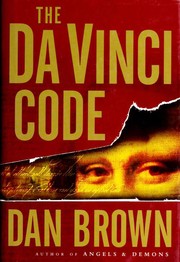
Dan Brown's 2003 phenomenon follows Harvard symbologist Robert Langdon as he unravels a murder mystery inside the Louvre that leads to a conspiracy spanning centuries of Western history. Blending art history, religious symbolism, and breakneck pacing, The Da Vinci Code sold over 80 million copies and became one of the bestselling novels of all time. Brown's short chapters and cliffhanger endings created an almost addictive reading experience. The novel sparked global debates about its historical claims and inspired a wave of conspiracy thrillers. Love it or critique it, The Da Vinci Code is the thriller that defined mainstream commercial fiction in the early 2000s.
17. The Spy Who Came in from the Cold by John le Carre
John le Carre's 1963 masterpiece demolished the glamorous image of espionage that James Bond had created. Alec Leamas, a burned-out British agent, is sent on one final mission that requires him to pose as a defector to East Germany. The moral compromises he must make, and the devastating consequences that follow, established le Carre as the most important spy novelist of the twentieth century. The novel won the Gold Dagger Award and is widely considered the finest espionage novel ever written. Its bleak, morally complex vision of intelligence work influenced every serious spy thriller that followed. This is the book that proved thrillers could also be great literature.
18. The Shining by Stephen King
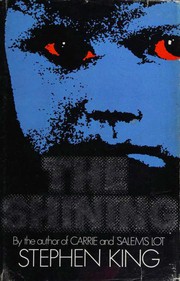
While often categorized as horror, Stephen King's 1977 novel functions as a masterful psychological thriller about a family's isolation and one man's descent into violence. Jack Torrance takes a winter caretaker position at the Overlook Hotel, bringing his wife Wendy and psychically gifted son Danny along. As the hotel's malevolent influence takes hold, the tension between supernatural horror and domestic violence creates something uniquely terrifying. The Shining has sold millions of copies and remains one of King's most acclaimed works. It demonstrates that the best thrillers do not merely frighten -- they illuminate the darkness that already exists within families and individuals.
19. The Talented Mr. Ripley by Patricia Highsmith
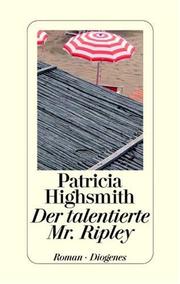
Patricia Highsmith's 1955 novel introduced Tom Ripley, one of fiction's most charming and amoral protagonists. Sent to Italy to retrieve a wealthy young man named Dickie Greenleaf, Ripley instead murders him and assumes his identity. The genius of the novel is that Highsmith places the reader entirely inside Ripley's perspective, creating sympathy for a character who should be repulsive. The Talented Mr. Ripley spawned four sequels and multiple film adaptations, including the acclaimed 1999 version starring Matt Damon. Highsmith's influence on the psychological thriller is immeasurable -- she proved that the most frightening thing in fiction is not the monster but the person sitting next to you.
20. Before I Go to Sleep by S.J. Watson

S.J. Watson's 2011 debut features Christine Lucas, who wakes every morning with no memory of her life due to a rare form of amnesia. Each day she must reconstruct her identity from a journal she keeps hidden from her husband, and the entries reveal increasingly disturbing discrepancies. The novel was a critically acclaimed international bestseller that demonstrated the power of the unreliable narrator taken to its logical extreme. Watson, a former NHS audiologist, brings clinical precision to Christine's disorientation. Before I Go to Sleep is the kind of thriller that makes you question whether knowing the truth is always better than not knowing.
21. Along Came a Spider by James Patterson
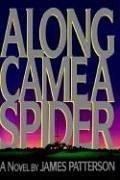
James Patterson's 1993 novel introduced Alex Cross, the Washington D.C. detective and psychologist who would become one of the most popular characters in thriller fiction. When two children of prominent families are kidnapped from an elite private school, Cross pursues a brilliant and theatrical killer named Gary Soneji. Along Came a Spider launched a series that now spans more than 30 novels and has sold hundreds of millions of copies collectively. Patterson's signature short chapters and rapid-fire pacing established a template that countless thriller writers have since adopted. The novel proved that accessible, fast-paced writing could coexist with genuine psychological depth.
22. Eye of the Needle by Ken Follett
Ken Follett's 1978 World War II thriller follows Henry Faber, a ruthless German spy known as "The Needle" who discovers the Allies' greatest secret: that the D-Day invasion force at Pas-de-Calais is an elaborate deception. As he races to transmit this intelligence to Berlin, he becomes stranded on a remote Scottish island with a lonely young woman and her disabled husband. Eye of the Needle won the Edgar Award for Best Novel and established Follett as a master of historical suspense. The novel works because Follett makes the spy sympathetic even as his mission threatens to alter the outcome of the war. It remains one of the best selling spy thrillers ever written.
23. The Girl Who Lived by Christopher Greyson

Christopher Greyson's award-winning 2017 thriller follows Faith Winters, a young woman struggling with trauma and addiction after surviving a night that claimed the lives of her best friend and her sister. When she returns to the town where it happened, she becomes convinced that the official account of events is wrong -- and that the real killer is still free. The Girl Who Lived is a taut psychological thriller that earned widespread praise for its handling of trauma, unreliable memory, and small-town secrets. Greyson builds suspense through Faith's deteriorating certainty about her own recollections. The novel was a number one bestseller and resonated particularly with readers who appreciate thrillers grounded in emotional truth.
24. The Reversal by Michael Connelly

Michael Connelly's 2010 novel brings together his two most iconic characters: defense attorney Mickey Haller and LAPD detective Harry Bosch. When Haller is recruited to prosecute a convicted child killer whose case has been reopened due to new DNA evidence, he enlists Bosch as his investigator. The Reversal is a masterclass in legal thriller construction, building tension through courtroom procedure and investigative detail rather than action sequences. Connelly's deep knowledge of the Los Angeles justice system gives every scene documentary authenticity. The novel is essential reading for fans of legal thrillers who want the procedural details to be as gripping as any car chase.
25. In the Woods by Tana French
Tana French's 2007 debut novel and the first entry in the Dublin Murder Squad series follows detective Rob Ryan as he investigates the murder of a twelve-year-old girl in the same Dublin suburb where, twenty years earlier, his two childhood friends vanished without explanation. French's literary prose elevates the thriller into something closer to a psychological novel, exploring memory, identity, and the stories we construct to survive our pasts. In the Woods won the Edgar Award for Best First Novel and launched one of the most critically acclaimed crime fiction series of the twenty-first century. French proved that thrillers can be beautifully written without sacrificing a single ounce of suspense.
Best Thriller Books by Sub-Category
Best Psychological Thrillers
Psychological thrillers rely on manipulation, unreliable perception, and the darkness hidden within ordinary relationships. Gone Girl by Gillian Flynn is the modern standard-bearer, but The Silent Patient by Alex Michaelides and The Girl on the Train by Paula Hawkins are equally essential. Behind Closed Doors by B.A. Paris and Before I Go to Sleep by S.J. Watson round out the must-read list for anyone who wants their thrillers to get inside their head and stay there.
Best Legal Thrillers
The courtroom is a natural setting for suspense, and no one has exploited it more successfully than John Grisham. The Firm remains his tightest and most propulsive novel, while The Pelican Brief adds political conspiracy to the legal framework. Michael Connelly's The Reversal brings procedural authenticity that few legal thrillers can match. For readers who want their suspense grounded in the machinery of justice, these are the page-turners that set the standard.
Best Spy Thrillers
Espionage fiction spans the spectrum from glamorous action to bleak moral compromise. The Hunt for Red October by Tom Clancy represents the techno-thriller end, with its meticulous submarine warfare and Cold War geopolitics. The Spy Who Came in from the Cold by John le Carre occupies the opposite extreme -- a devastating portrait of the human cost of intelligence work. The Bourne Identity by Robert Ludlum falls between them, combining action with identity crisis. I Am Pilgrim by Terry Hayes and Eye of the Needle by Ken Follett are modern and historical complements that round out any spy fiction collection.
Best Thriller Series
Some thrillers are best experienced as part of a larger narrative. James Patterson's Alex Cross series, beginning with Along Came a Spider, offers decades of page-turners featuring one of the genre's most enduring protagonists. Stieg Larsson's Millennium trilogy, starting with The Girl with the Dragon Tattoo, delivers an interconnected saga of corruption and justice. Tana French's Dublin Murder Squad series, launched by In the Woods, is the most critically acclaimed crime series of its generation. And Robert Ludlum's Bourne trilogy remains the definitive action-thriller series, with each installment raising the stakes for its amnesiac protagonist.
Frequently Asked Questions
What is the best thriller book for someone new to the genre?
Gone Girl by Gillian Flynn is the ideal starting point. It is accessible, brilliantly structured, and demonstrates everything the modern psychological thriller can accomplish. If you prefer action over psychological suspense, start with The Bourne Identity by Robert Ludlum instead.
What is the difference between a thriller and a mystery?
Mysteries focus on solving a crime after it has occurred -- the reader pieces together clues alongside the detective. Thrillers focus on preventing a crime or surviving a dangerous situation -- the reader knows more than the protagonist and experiences dread about what is coming. Many books blend both elements, but the distinction lies in whether the primary emotion is curiosity (mystery) or anxiety (thriller). For mystery recommendations, see our guide to the best selling mystery books.
Are thriller books good for listening as audio?
Thrillers are among the best genres for audio consumption. The forward momentum and short chapter structure that define most thrillers translate naturally to listening, and a skilled narrator can amplify the tension considerably. Books like The Silent Patient and Gone Girl, with their twist-driven structures, are particularly effective as audio because the pacing is controlled by the narrator rather than the reader's temptation to skip ahead.
What are the best thriller books published in the last five years?
The Silent Patient by Alex Michaelides (2019) is the standout bestseller of recent years. Other critically acclaimed recent thrillers include The Maid by Nita Prose, The It Girl by Ruth Ware, and Run Rose Run by Dolly Parton and James Patterson. The genre continues to evolve, with domestic suspense and psychological manipulation remaining dominant trends.
More Thriller and Suspense Recommendations
If you enjoyed this list, explore related genres for more page-turners:
- Best Selling Mystery Books -- classic whodunits and detective fiction
- Best Selling Horror Books -- when you want your thrillers darker
- Best Selling True Crime Books -- real cases that read like fiction
Discover your next great thriller read without extra screen time. speakeasy converts book reviews, author interviews, and literary articles into audio you can enjoy anywhere. Paste any URL and listen -- 3 free articles per week, no account needed.